
Warren Buffett's $380 Billion Cash Hoard and What It Reveals About Market Valuations in 2026
Warren Buffett's Berkshire Hathaway has built a cash fortress that would make Scrooge McDuck blush. As of Q3 2025, the conglomerate's cash reserves , fueled by lower insurance losses and robust performance from its BNSF railroad unit. This staggering sum-often dubbed "dry powder"-has sparked intense debate about Buffett's strategy in an era of sky-high market valuations. , Buffett's cash hoard isn't just a sign of caution; it's a masterclass in defensive positioning and capital preservation.
The Overvaluation Conundrum
The U.S. stock market is in uncharted territory. , , . By historical standards, these metrics suggest equities are priced for perfection. Analysts are split: some argue that strong earnings growth, potential Fed rate cuts, and AI-driven optimism justify the premiums. Others warn that a stumble in earnings or a shift in monetary policy could trigger a sharp correction.
Buffett, ever the contrarian, isn't buying the "this time it's different" narrative. His decision to amass $382 billion in cash-while avoiding share repurchases for five straight quarters-signals a clear message: he's bracing for volatility. This isn't panic selling; it's a calculated move to preserve capital in a market where even blue-chip stocks trade at multiples that defy logic.
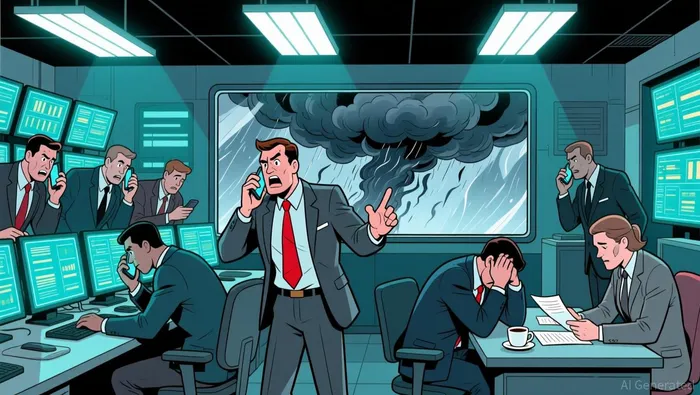 Buffett's approach mirrors his timeless mantra: "Be fearful when others are greedy." By holding cash, he's positioning Berkshire to pounce on bargains during market dips-a tactic that served him well during the 2008 financial crisis. Short-term Treasury bills, , are preferable to overpriced stocks with uncertain returns. As Buffett once quipped, "Your goal is to own something that's going to do well when you least expect it."
Lessons for Investors
For individual investors, Buffett's playbook offers a roadmap for navigating today's overvalued market. First, maintain a cash cushion. While it's tempting to chase AI or AI-driven hype, history shows that liquidity is a lifeline during downturns. Second, focus on quality. Buffett's bets on durable businesses-like energy and healthcare-highlight the importance of companies with strong moats and predictable cash flows. Third, avoid overpaying. With valuations stretched, disciplined investors should prioritize undervalued sectors like financials and energy, which trade at discounts to their historical averages.
The Road Ahead
Buffett's cash hoard isn't a bearish bet-it's a hedge against uncertainty. , depending on whether valuations contract, stabilize, or expand. By staying underweight in overpriced stocks and overweight in cash, Berkshire is prepared for any scenario.
In the end, Buffett's strategy is a reminder that investing isn't about timing the market-it's about positioning for the unexpected. As he once said, "Risk comes from not knowing what you're doing." In 2026, the smartest move may be to follow the Oracle's lead: hold cash, stay patient, and wait for the market to come to you.







Comentarios
Aún no hay comentarios