
S&P Warns of Ford, GM Ratings Downgrade Amid Auto Tariff Uncertainty
S&P Global Ratings has issued a stark warning to investors: America’s two largest automakers, Ford and General Motors, face a high risk of credit rating downgrades due to escalating U.S. auto tariffs and trade policies set to take effect in 2025. The ratings agency cited potential margin erosion, supply chain disruptions, and declining consumer demand as key triggers, painting a cautionary picture for an industry already navigating headwinds from inflation, EV transitions, and geopolitical tensions.
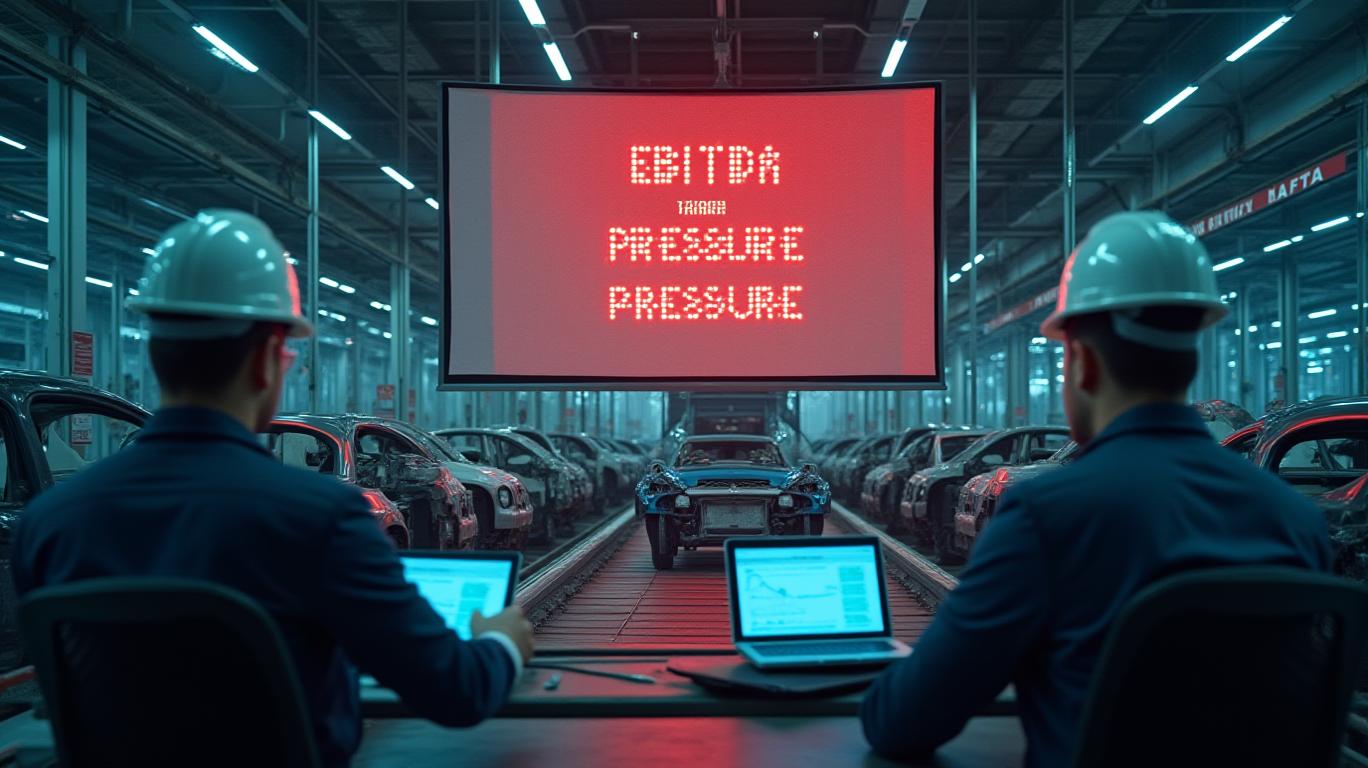
Tariff Impact on Automakers: A Margin Squeeze
Ford (F) and GM (GM) are particularly exposed because their supply chains rely on non-compliant parts and imports from outside North America. S&P projects Ford’s EBITDA margins could stay below 8%—a critical threshold for maintaining its BBB- rating—throughout 2026. GM, despite stronger credit metrics, faces heightened risk due to its weaker competitive position and higher tariff exposure.
The proposed 25% tariff on non-USMCA-compliant vehicles and parts would force automakers to raise vehicle prices by 5–10%, S&P estimates. This has already dented sales forecasts: U.S. auto sales are now projected to fall to 15.5 million units in 2025 (a 2% decline from earlier estimates) and 15 million in 2026, with sales staying below 16 million through 2027.
Supply Chain Chaos and EV Delays
The tariffs compound existing vulnerabilities. China’s April 2025 restrictions on rare earth elements—critical for batteries, magnets, and electronics—threaten to further strain supply chains. S&P notes automakers are “operating in a perfect storm,” with EV profitability delayed by tariff-driven cost inflation. The ratings agency revised its EV market share forecast downward to below 20% by 2027, as cost-conscious buyers shift to hybrids.
Meanwhile, new vehicle prices remain stubbornly high, averaging $44,849 in early 2025—30% above pre-pandemic levels. Inventory mismatches persist: Stellantis reported excess stock of SUVs, while dealers face a 45-day supply, down from pre-pandemic norms.
Suppliers in the Crosshairs
While automakers absorb most tariff costs, suppliers aren’t immune. High-debt firms like Cooper-Standard Holdings and IXS Holdings face liquidity risks as their free operating cash flow turns negative. Aftermarket suppliers reliant on Chinese imports, such as Holley Inc., also face pressure. Conversely, U.S.-based firms like Goodyear (GT) may benefit as tariffs raise competitors’ costs.
Macroeconomic Pressures and Policy Volatility
S&P downgraded its U.S. GDP growth forecast to 1.2% for 2025, citing tariff-driven inflation and unemployment risks. The Trump administration’s 90-day tariff pause added uncertainty, with unresolved trade tensions potentially worsening economic fallout.
The ratings agency also flagged rising subprime auto loan defaults: 16.1% of 2024 loans fell into this category, though still below 2019’s 20% peak. Extended loan terms (72+ months) may delay purchases but risk over-leveraging buyers.
Mitigation Efforts and the Path Forward
Automakers are scrambling to offset costs. Ford plans to boost U.S. plant utilization and renegotiate supplier contracts, while GM aims to source 90% of parts from USMCA-compliant regions by 2026. However, S&P doubts these measures will fully counterbalance margin pressures.
Tesla (TSLA), meanwhile, faces “moderate risk” due to limited tariff exposure and strong liquidity. Its stock has outperformed peers by 25% year-to-date, reflecting investor confidence in its vertically integrated supply chain.
Conclusion: A Crossroads for Auto Credit
S&P’s warnings underscore a pivotal moment for the auto industry. Ford and GM’s credit ratings hinge on three factors:
1. Tariff Implementation: If the U.S. delays or scales back tariffs, automakers may stabilize margins. But a hardline approach could push Ford below its 8% EBITDA threshold.
2. EV Profitability: Automakers need to achieve $20,000–$25,000 price points for mass-market EVs to offset combustion engine declines. Current estimates suggest this won’t happen before 2028.
3. Consumer Resilience: With auto loans at record highs and inflation persisting, S&P expects U.S. sales to remain under 16 million units through 2027—a 10% drop from 2022’s peak.
Investors should monitor S&P’s next ratings reviews closely. A downgrade could trigger borrowing costs to rise by 1–2%, further squeezing cash flows. For now, the sector’s fate rests on whether automakers can navigate tariffs, supply chain bottlenecks, and shifting consumer preferences—a high-stakes balancing act with no easy solutions.





Comentarios
Aún no hay comentarios