
The Waning ROI of Frequent-Flyer Loyalty Programs: A Behavioral Finance Perspective on Shifting Travel Priorities
The frequent-flyer loyalty program landscape is undergoing a seismic shift, driven by evolving consumer priorities and behavioral finance dynamics. Once a cornerstone of airline revenue strategies, these programs are now grappling with declining returns on investment (ROI) as travelers reallocate their discretionary spending toward experiences over traditional rewards. This analysis explores the interplay between behavioral economics, post-pandemic travel trends, and the structural limitations of legacy loyalty models, offering insights for investors navigating this transformative market.
Changing Consumer Priorities Post-Pandemic
Post-2020, global travel rebounded on the back of pent-up demand and excess savings, but by 2025, economic headwinds-including inflation and higher interest rates-have reshaped spending patterns. According to a report by Global Alpha Capital Management, consumers now prioritize experiences over material goods, particularly in developed markets and among the emerging middle class in India, China, and Brazil. This shift is compounded by the rise of digital nomadism, which has created sustained demand for flexible, long-term travel solutions rather than short-term, transactional trips.
However, the economic environment has forced travelers to make trade-offs. Average annual travel spend has declined, with consumers seeking cost-effective yet meaningful experiences. For frequent-flyer programs, this means traditional metrics-such as miles flown or points redeemed-are no longer sufficient to capture value. Instead, travelers increasingly demand emotional and experiential returns, a gap that legacy loyalty models struggle to fill.
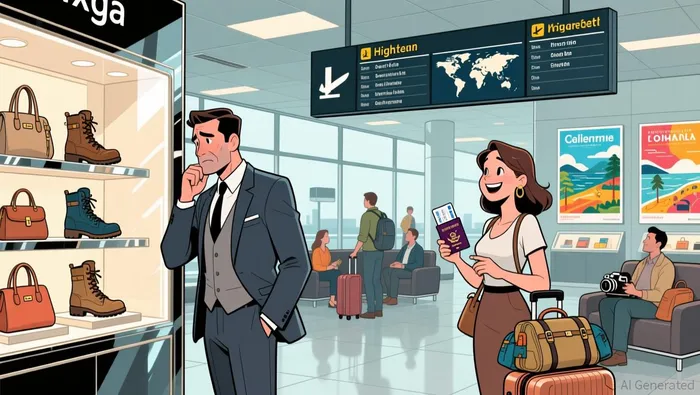
Behavioral Finance and the Value Perception Gap
Behavioral finance principles illuminate why traditional loyalty programs are losing traction. Consumers now evaluate travel through a lens of perceived value, where immediate gratification and personal fulfillment outweigh abstract rewards like points or upgrades. For instance, younger travelers exhibit heightened price sensitivity, leveraging online platforms to optimize costs, while affluent travelers prioritize curated, high-value experiences.
This bifurcation in consumer behavior highlights a critical challenge for airlines: loyalty programs structured around transactional incentives fail to address the emotional and psychological drivers of modern travel decisions. As McKinsey's 2025 State of the Consumer report notes, travelers are more likely to engage with brands that offer exclusive access, personalization, or community-driven benefits-features that align with behavioral finance concepts like friction reduction and loss aversion.
The Erosion of Traditional Loyalty Models
Frequent-flyer programs, historically designed to incentivize repeat business through points and tiered rewards, are increasingly seen as outdated. Data from MBO Partners' 2025 Digital Nomads Trends Report reveals that 68% of digital nomads prioritize destinations with co-working spaces, local communities, and sustainable practices over airline-specific perks. Meanwhile, corporate travel budgets are being trimmed selectively, with companies reducing spending on high-frequency traveler costs.
The ROI decline is further exacerbated by switching costs. ResearchGate's analysis of hotel reward programs underscores that perceived program value is a key driver of customer retention, yet many airlines have failed to adapt their offerings to reflect the experiential expectations of modern travelers. This disconnect has led to a stagnation in program growth, with some airlines reporting a 15–20% drop in redemption rates since 2022.
Adapting Loyalty Programs for 2025 and Beyond
To reverse this trend, airlines must pivot from transactional models to relationship-driven strategies. The 2025 Global Digital Nomad Report emphasizes that successful loyalty programs now focus on three pillars: personalization, community engagement, and sustainable value. For example, programs that integrate co-working partnerships, local cultural experiences, or carbon-neutral travel options resonate more with today's travelers than mere flight discounts.
Investors should also consider the role of behavioral nudges. By simplifying redemption processes and aligning rewards with emotional triggers-such as family milestones or career achievements-airlines can enhance perceived value and reduce decision fatigue. Additionally, leveraging data analytics to tailor offers to individual preferences (e.g., a business traveler vs. a luxury tourist) can mitigate the bifurcation of the market.
Conclusion
The waning ROI of frequent-flyer loyalty programs is not a temporary setback but a symptom of deeper shifts in consumer behavior and economic priorities. For airlines and investors, the path forward lies in reimagining loyalty as a holistic, emotionally resonant experience rather than a points-based transaction. As behavioral finance principles continue to shape spending decisions, those who adapt their strategies to align with experiential value and psychological incentives will likely outperform peers in this evolving landscape.







Comentarios
Aún no hay comentarios