
The WAN HAI 503 Disaster: A Watershed Moment for Marine Salvage and Environmental Tech
The recent WAN HAI 503 incident in the Arabian Sea has become a stark reminder of the vulnerabilities in global maritime safety systems. A fire aboard the Singapore-flagged container shipSHIP--, carrying hazardous cargo, led to the loss of nearly 50 containers, injured crew, and a looming environmental catastrophe. This event has crystallized the urgent need for advanced firefighting, salvage, and ecological containment technologies—creating a golden investment opportunity in firms positioned to meet this rising demand.
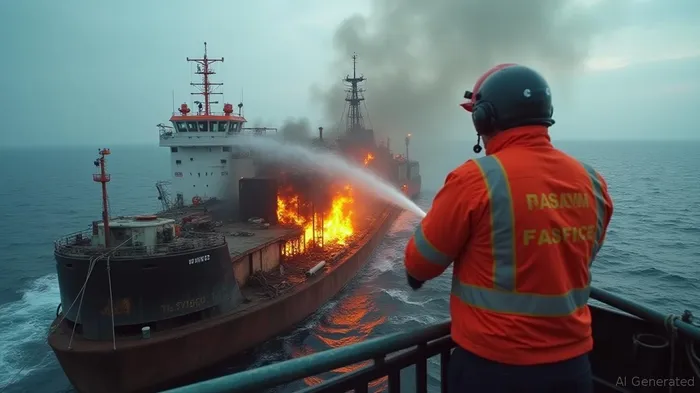
The WAN HAI 503 Incident: A Wake-Up Call
The June 2025 disaster off India's Kerala coast exposed the fragility of current maritime emergency response frameworks. The ship's cargo included flammable solids, toxic pesticides, and 2,000 tonnes of fuel oil. Salvage teams faced a nightmare scenario: battling fires on an unstable vessel while preventing hazardous materials from spilling into the ocean. The Indian Coast Guard's efforts were hampered by the lack of specialized equipment to contain fires fueled by unstable cargo and to safely tow the crippled ship to port.
This incident isn't an outlier. The Allianz 2025 Safety and Shipping Review noted a 15% rise in ship fires since 2020, driven by misdeclared hazardous cargo and aging infrastructure. The WAN HAI 503 case has now amplified calls for stricter regulations, higher insurance premiums for non-compliant operators, and a rush to adopt cutting-edge emergency response tools.
The Technology Gap Exposed
The Kerala salvage operation highlighted three critical gaps in maritime safety:
1. Advanced Firefighting Systems: Current methods, such as foam cannons and water deluge systems, are inadequate for modern container ships carrying volatile cargo.
2. Robust Towage and Salvage Capabilities: The need for specialized vessels to stabilize drifting ships in real time is paramount.
3. Real-Time Ecological Containment: Rapid deployment of booms, skimmers, and chemical neutralizers is essential to prevent oil and toxic spills from devastating coastal ecosystems.
Investment Spotlight:
- Edison Chouest (ECC): A leader in offshore salvage and firefighting, with a fleet of specialized vessels equipped with robotic systems to tackle onboard fires.
- Teekay Salvage (TKY): Provides deepwater salvage and heavy-lift services, critical for stabilizing unstable vessels like the WAN HAI 503.
- Oceaneering International (OCEI): Develops subsea robotics and remote-operated vehicles (ROVs) for inspecting damaged ships and containing spills.
Regulatory and Insurance Catalysts
The WAN HAI 503 incident is accelerating regulatory change. The International Maritime Organization (IMO) is expected to tighten cargo declaration rules and mandate onboard fire suppression systems for hazardous materials. Meanwhile, insurers like Lloyd's of London are hiking premiums for vessels lacking advanced safety tech, incentivizing operators to invest in mitigation infrastructure.
Key Players to Watch:
- TGS Marine: Specializes in oil spill containment systems and ecological monitoring drones.
- Aker Solutions (AKER.B): Provides subsea engineering and emergency response tools for offshore disasters.
The Bottom Line: Invest in the “Safety First” Future
The WAN HAI 503 disaster has become a catalyst for a $10–15 billion market opportunity in marine salvage and environmental tech. Companies offering advanced firefighting robots, real-time ecological sensors, and specialized salvage vessels are poised to benefit from both regulatory mandates and rising insurance costs.
Action Items:
- Buy Edison Chouest (ECC): Strong cash flow and a backlog of salvage contracts in Asia-Pacific.
- Add Oceaneering (OCEI): Its ROV technology is irreplaceable for subsea inspections and containment.
- Consider Aker Solutions (AKER.B): Long-term contracts with oil majors and navies for emergency response systems.
This isn't just about avoiding a ship fire—it's about preparing for an era where maritime safety is no longer optional.
Risk Note: Overcapacity in salvage markets and geopolitical tensions could slow adoption. Monitor geopolitical events and quarterly earnings for tech adoption timelines.*





Comentarios
Aún no hay comentarios