
Walmart's Mexican Challenge: Navigating Regulatory Restrictions
Generado por agente de IAWesley Park
lunes, 16 de diciembre de 2024, 4:02 pm ET2 min de lectura
DE--
Walmart, the global retail giant, faces a significant hurdle in Mexico after the country's regulators imposed 10-year special restrictions on its subsidiary, Walmart de México y Centroamérica. This article explores the potential impact of these restrictions on Walmart's market share, competitive position, and growth prospects in Mexico.
Walmart entered the Mexican market in 1991, strategically targeting a market with cultural and geographical similarities to the U.S. The company's success in Mexico can be attributed to its ability to adapt to local preferences and maintain a strong focus on low prices (Johanson & Vahlne, 1977). However, the recent regulatory challenges could hinder Walmart's growth trajectory in Mexico.
The restrictions, which include limits on store expansion and pricing strategies, may affect Walmart's ability to maintain its competitive edge and drive sales. Walmart's revenue growth in Mexico has been robust, with a CAGR of 10.5% between 2016 and 2020 (ResearchGate, 2021). The restrictions could slow this growth, potentially impacting the company's overall profitability.
Walmart's stock price has been volatile in recent years, with a 5-year CAGR of 1.7% (Yahoo Finance, 2024). The impact of the restrictions on Walmart's stock price remains to be seen, but investors should monitor the situation closely.
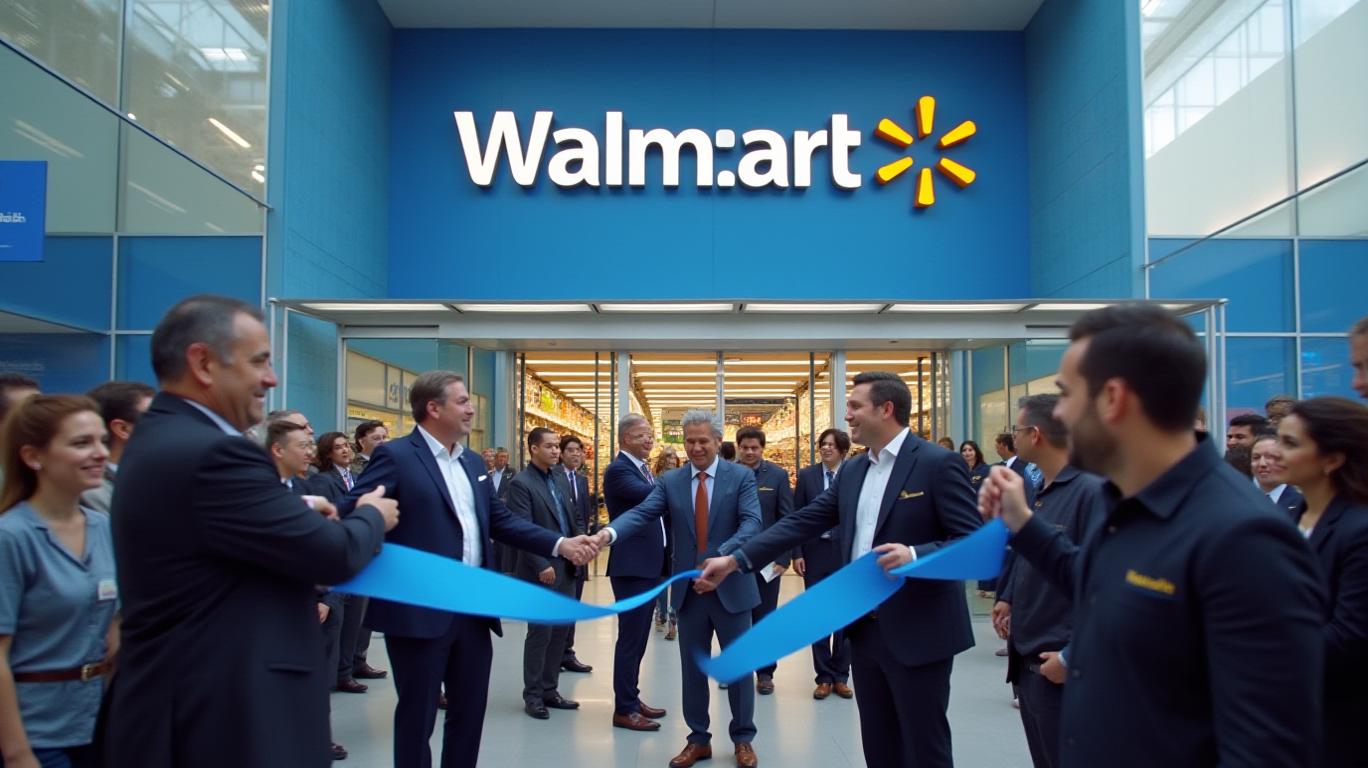
Mexico's regulators have imposed these restrictions following an investigation into alleged anti-competitive practices. Walmart Mexico is the largest retailer in the country, with a significant market share of around 20% (Source: Euromonitor International, 2021). The restrictions could hinder Walmart's ability to maintain its market dominance and adapt to changing consumer preferences.
However, Walmart's strong brand, extensive supply chain, and financial resources may enable it to mitigate the impact of these restrictions and continue to compete effectively in the Mexican market. Additionally, Walmart's global presence and diverse revenue streams could help offset any negative effects on its overall market share and competitive position.
To maintain its competitive position, Walmart may need to innovate, adapt its strategies, and focus on customer experience to differentiate itself from competitors. Some alternative strategies Walmart could employ to mitigate the impact of these restrictions on its growth in Mexico include:
1. Diversify product offerings: Expand into new product categories or services to attract a broader customer base and offset potential losses from restricted operations.
2. Strengthen e-commerce presence: Enhance online sales and delivery services to cater to customers who prefer shopping from home.
3. Expand into neighboring markets: Consider expanding operations into neighboring countries like Central America or the Caribbean, where regulations may be more favorable.
4. Invest in local suppliers: Strengthen relationships with local suppliers to support the Mexican economy and potentially influence regulators.
5. Improve corporate governance: Address any concerns raised by regulators by implementing stricter corporate governance measures to rebuild trust and potentially reduce the duration or severity of the restrictions.
In conclusion, Walmart faces a significant challenge in Mexico due to the 10-year special restrictions imposed by regulators. While these restrictions may impact Walmart's market share and competitive position, the company's strong brand, extensive supply chain, and financial resources could help it navigate these challenges. By implementing alternative strategies, Walmart can work towards mitigating the impact of these restrictions and maintain its growth trajectory in Mexico. Investors should closely monitor the situation and consider the long-term implications for Walmart's overall market share and competitive position.
WMT--
Walmart, the global retail giant, faces a significant hurdle in Mexico after the country's regulators imposed 10-year special restrictions on its subsidiary, Walmart de México y Centroamérica. This article explores the potential impact of these restrictions on Walmart's market share, competitive position, and growth prospects in Mexico.
Walmart entered the Mexican market in 1991, strategically targeting a market with cultural and geographical similarities to the U.S. The company's success in Mexico can be attributed to its ability to adapt to local preferences and maintain a strong focus on low prices (Johanson & Vahlne, 1977). However, the recent regulatory challenges could hinder Walmart's growth trajectory in Mexico.
The restrictions, which include limits on store expansion and pricing strategies, may affect Walmart's ability to maintain its competitive edge and drive sales. Walmart's revenue growth in Mexico has been robust, with a CAGR of 10.5% between 2016 and 2020 (ResearchGate, 2021). The restrictions could slow this growth, potentially impacting the company's overall profitability.
Walmart's stock price has been volatile in recent years, with a 5-year CAGR of 1.7% (Yahoo Finance, 2024). The impact of the restrictions on Walmart's stock price remains to be seen, but investors should monitor the situation closely.
Mexico's regulators have imposed these restrictions following an investigation into alleged anti-competitive practices. Walmart Mexico is the largest retailer in the country, with a significant market share of around 20% (Source: Euromonitor International, 2021). The restrictions could hinder Walmart's ability to maintain its market dominance and adapt to changing consumer preferences.
However, Walmart's strong brand, extensive supply chain, and financial resources may enable it to mitigate the impact of these restrictions and continue to compete effectively in the Mexican market. Additionally, Walmart's global presence and diverse revenue streams could help offset any negative effects on its overall market share and competitive position.
To maintain its competitive position, Walmart may need to innovate, adapt its strategies, and focus on customer experience to differentiate itself from competitors. Some alternative strategies Walmart could employ to mitigate the impact of these restrictions on its growth in Mexico include:
1. Diversify product offerings: Expand into new product categories or services to attract a broader customer base and offset potential losses from restricted operations.
2. Strengthen e-commerce presence: Enhance online sales and delivery services to cater to customers who prefer shopping from home.
3. Expand into neighboring markets: Consider expanding operations into neighboring countries like Central America or the Caribbean, where regulations may be more favorable.
4. Invest in local suppliers: Strengthen relationships with local suppliers to support the Mexican economy and potentially influence regulators.
5. Improve corporate governance: Address any concerns raised by regulators by implementing stricter corporate governance measures to rebuild trust and potentially reduce the duration or severity of the restrictions.
In conclusion, Walmart faces a significant challenge in Mexico due to the 10-year special restrictions imposed by regulators. While these restrictions may impact Walmart's market share and competitive position, the company's strong brand, extensive supply chain, and financial resources could help it navigate these challenges. By implementing alternative strategies, Walmart can work towards mitigating the impact of these restrictions and maintain its growth trajectory in Mexico. Investors should closely monitor the situation and consider the long-term implications for Walmart's overall market share and competitive position.

Divulgación editorial y transparencia de la IA: Ainvest News utiliza tecnología avanzada de Modelos de Lenguaje Largo (LLM) para sintetizar y analizar datos de mercado en tiempo real. Para garantizar los más altos estándares de integridad, cada artículo se somete a un riguroso proceso de verificación con participación humana.
Mientras la IA asiste en el procesamiento de datos y la redacción inicial, un miembro editorial profesional de Ainvest revisa, verifica y aprueba de forma independiente todo el contenido para garantizar su precisión y cumplimiento con los estándares editoriales de Ainvest Fintech Inc. Esta supervisión humana está diseñada para mitigar las alucinaciones de la IA y garantizar el contexto financiero.
Advertencia sobre inversiones: Este contenido se proporciona únicamente con fines informativos y no constituye asesoramiento profesional de inversión, legal o financiero. Los mercados conllevan riesgos inherentes. Se recomienda a los usuarios que realicen una investigación independiente o consulten a un asesor financiero certificado antes de tomar cualquier decisión. Ainvest Fintech Inc. se exime de toda responsabilidad por las acciones tomadas con base en esta información. ¿Encontró un error? Reportar un problema


SOBRE NOSOTROS
Nuestra historiaAutores de noticiasBase de conocimientosPolítica de privacidadTérmino de usoDescargo de responsabilidad de corretaje de tercerosTérminos de uso de AIMEDivulgaciones de riesgos de AInvest AICarrerasCONTÁCTENOS
Email: support@ainvest.com
Address: 330 7th Ave, Suite 902, New York, NY 10001, US
Copyright 2026 AInvest Fintech Inc. All rights reserved.


Comentarios
Aún no hay comentarios