
Walmart's OnePay and the Tipping Point for Retail-Driven Crypto Adoption
The integration of cryptocurrency into Walmart's OnePay platform marks a pivotal moment in the evolution of digital asset adoption. By introducing BitcoinBTC-- and EthereumETH-- trading and custody services in 2025, OnePay-a fintech arm of the retail giant-has positioned itself at the intersection of traditional finance and decentralized innovation. This move, powered by a partnership with crypto infrastructure startup Zerohash, as reported by a CNBC article, enables users to convert digital assets into spendable cash for in-store purchases, card payments, or bill settlements according to a FinancialContent article. With access to Walmart's 150 million weekly U.S. shoppers, as noted by Coin360, OnePay's initiative could normalize crypto as a functional tool for everyday transactions, signaling a tipping point for retail-driven adoption.
The Strategic Logic of OnePay's Expansion
OnePay's foray into crypto aligns with its broader ambition to become a U.S. "super app," competing directly with platforms like PayPal, Venmo, and Cash App, per reporting from CoinCentral. The app already offers high-yield savings accounts, credit cards, and buy-now-pay-later loans, as described in the FinancialContent piece, but the addition of crypto services fills a critical gap in financial inclusion. By leveraging Walmart's retail dominance, OnePay transforms crypto from a speculative asset into a utility, reducing friction between digital balances and real-world spending. For instance, users can now trade Bitcoin or Ethereum and instantly use the proceeds to buy groceries or pay utility bills, according to CoinLineup. This seamless integration addresses a key barrier to adoption: the perceived complexity of converting crypto into fiat for daily use.
Broader Trends in Retail Crypto Adoption
Walmart's move reflects a broader shift in consumer behavior. According to a Security.org report, cryptocurrency ownership among American adults has risen from 15% in 2021 to 28% in 2025, with 14% of non-owners planning to enter the market. This growth is driven by market stabilization, technological innovation, and regulatory clarity. For example, the perception of crypto acceptance in stores has increased from 16% in 2023 to 25% in 2024, according to a Wharton article, indicating a growing comfort with digital assets as payment methods.
Technological accessibility has also played a role. User-friendly interfaces, mobile-first designs, and innovations like auto-staking and Layer 2 rollups have lowered entry barriers, as noted by Analytics Insight. However, challenges persist. Despite rising confidence, 40% of crypto owners still lack trust in the technology's security (reported in the Security.org report), and 20% have faced difficulties accessing funds on custodial platforms (noted in the Wharton article). These concerns highlight the need for robust infrastructure-a gap OnePay aims to fill by partnering with Zerohash, which provides secure custody solutions (reported earlier by CNBC).
Market Implications and Competitive Dynamics
OnePay's expansion could catalyze increased demand for Bitcoin and Ethereum, particularly among a new demographic of retail users. By integrating crypto into a platform with 150 million weekly users (as Coin360 reported), WalmartWMT-- taps into a vast audience previously unexposed to digital assets. Analysts predict this could create upward pressure on prices, especially as institutional players like Morgan Stanley also expand crypto offerings. The timing of the rollout-coinciding with a maturing regulatory landscape-further legitimizes crypto as a mainstream financial tool (as detailed by CoinLineup).
However, competition is fierce. Platforms like PayPal and Cash App already offer crypto trading, but OnePay's advantage lies in its retail ecosystem. Unlike standalone crypto apps, OnePay enables users to convert digital assets into spendable cash instantly, creating a closed-loop system that enhances utility (as noted by CoinCentral). This could disrupt traditional payment networks and accelerate the adoption of blockchain-based solutions in everyday commerce.
Challenges and the Road Ahead
While OnePay's initiative is promising, risks remain. Regulatory scrutiny, though easing in 2025, could still pose challenges, particularly around anti-money laundering (AML) compliance (covered in the Coin360 piece). Additionally, the 2025 consumer report notes that 60% of crypto-savvy individuals believe prices will rise under a potential second Trump administration (reported by Wharton), underscoring political volatility. For OnePay to succeed, it must balance innovation with security, ensuring user trust in its custodial services.
Conclusion
Walmart's OnePay represents more than a fintech upgrade-it is a harbinger of a new era in digital asset adoption. By embedding crypto into the fabric of everyday retail transactions, OnePay addresses the core challenge of utility, transforming speculation into practicality. As the Q4 2025 rollout unfolds, the market will closely watch whether this initiative can scale beyond early adopters, potentially reshaping the financial landscape for millions. For investors, the implications are clear: retail-driven adoption is no longer a distant possibility but an imminent reality.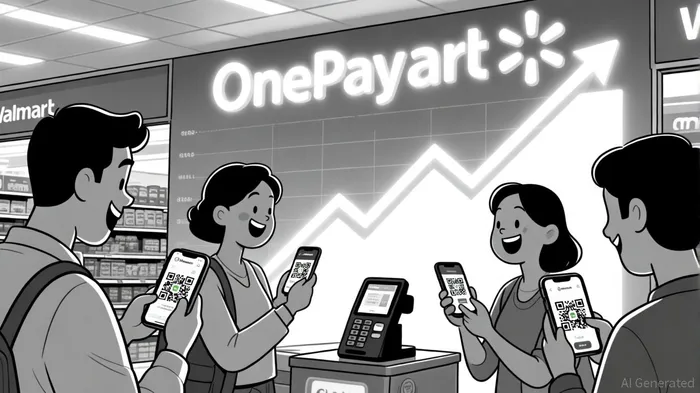





Comentarios
Aún no hay comentarios