
Walmart Mexico: Navigating Profit Headwinds with Supply Chain Fortitude
Walmart Mexico (Walmex) has entered a critical phase of its growth trajectory. While its Q2 2025 results revealed a 10% year-over-year net profit decline amid rising costs, the company's long-term strategic bets—particularly its supply chain transformation and underappreciated growth catalysts—suggest resilience in an uncertain market. For investors, this period may present an entry point to capitalize on Walmex's structural advantages.
The Profit Decline: A Short-Term Storm
Walmex's Q2 net profit fell to MXN11.23 billion ($598 million), driven by macroeconomic pressures:
- Input Cost Inflation: Tariffs, peso depreciation (down 5% YTD vs. USD), and labor compliance costs strained margins.
- Capex Surge: A MXN41.8 billion capital expenditure program (up 20% YoY) funded e-commerce infrastructure, new stores, and automation projects.
- Slowing Sales Momentum: Same-store sales growth dropped to 1.5% in Q2 from 4.1% in Q1, reflecting consumer caution.
These factors compressed the net profit margin to 4.56%, its lowest in years. Analysts have downgraded forecasts, and Walmex's stock has underperformed peers by 8% year-to-date. Yet beneath the headline figures lies a narrative of deliberate strategic investment.
Supply Chain Fortification: The Long Game
Walmex is repositioning its supply chain as a moat against volatility. Key initiatives include:
1. USMCA-Driven Nearshoring
By leveraging Mexico's tariff-free access to the U.S. market under USMCA, Walmex has reduced Chinese imports from 80% (2018) to 60% (2025). This shift positions Mexico as a manufacturing hub for textiles, electronics, and home goods—sectors where Walmex sources 83% of products domestically. The result? Lower geopolitical risk and cost stability.
2. Tech-Driven Logistics
A MXN6 billion investment in 2025 is building AI-powered distribution centers in the Bajío region and Tlaxcala. These facilities aim to cut logistics costs by 15-20% over time, while enabling faster inventory turnover.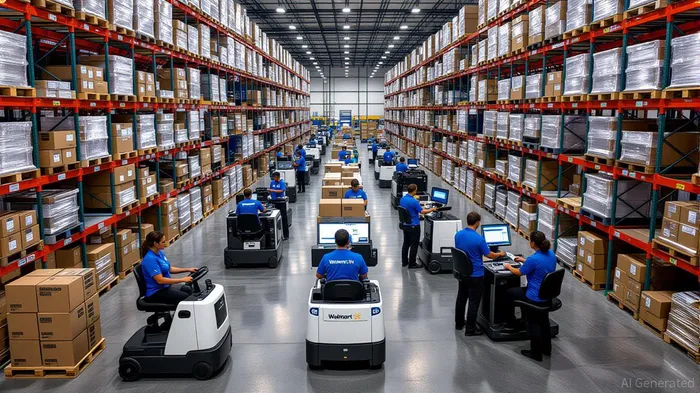
3. Infrastructure Expansion
Upgrading rail and port networks will reduce reliance on volatile global shipping routes. Combined with 1,500 new stores planned by 2029, this creates a denser retail and logistics footprint.
Underappreciated Growth Catalysts
E-Commerce and Omnichannel Dominance
Despite margin pressures, e-commerce sales rose 19% in Q2, fueled by new store openings and improved fulfillment networks. Walmex's Bodega Aurrera format—combining groceries and general merchandise—has proven resilient, with 20% store expansions planned this year.
Private Label Penetration
Private brands now account for 18% of sales (up from 12% in 2020), offering higher margins. Campaigns like the Lilo & Stitch promotional drive demonstrate Walmex's agility in engaging price-sensitive consumers.
Labor and Regulatory Resilience
While labor reforms (e.g., a potential reduction in the legal workweek) pose risks, Walmex's scale allows it to absorb costs better than smaller rivals. Its partnership with 30,000+ SMEs also shields it from supply chain bottlenecks.
Valuation and Investment Thesis
At 16x next-12-months earnings, Walmex trades at a discount to its historical average and peers like Oxxo's parent Femsa (22x). The stock's underperformance reflects short-term profit concerns, but three factors suggest a turnaround:
- Margin Recovery Timeline: Automation and USMCA sourcing could stabilize margins by 2026.
- Earnings Visibility: The 6-7% revenue growth target remains achievable with Bodega Aurrera's expansion and e-commerce scaling.
- Valuation Safety: A 20% return on invested capital (ROIC) and 32.5% market share provide a buffer against downside.
Risks and Considerations
- Peso Volatility: Further depreciation could pressure import costs.
- Regulatory Hurdles: Antitrust fines (e.g., a MXN46.2 million penalty in 2024) may recur.
- Competitor Aggression: Oxxo's dominance in small-format stores and Amazon's e-commerce push remain threats.
Final Call: Buy the Dip, but Monitor Margins
Walmex's profit decline is a temporary setback in a decade-long supply chain upgrade. Investors with a 3-5 year horizon may find value in its undervalued shares and structural advantages. However, a rebound in same-store sales (currently at 1.5%) and margin stabilization are critical near-term catalysts.
Recommendation:
- Buy: For investors willing to hold through margin pressures, with a target price of $650 million net profit by 2026.
- Hold: For those prioritizing near-term stability; monitor Q3 results for margin trends.
In a market of fragile retailers, Walmex's supply chain bets and scale may yet prove its greatest ally.





Comentarios
Aún no hay comentarios