
Wallbox’s 2024 Report Highlights Growth Amid Persistent Challenges in EV Charging Market
Wallbox, a Barcelona-based leader in electric vehicle (EV) charging and energy management solutions, has filed its 2024 Annual Report on Form 20-F with the U.S. Securities and Exchange Commission (SEC), revealing a year of mixed progress. While revenue grew 14% year-over-year to €163.9 million, the company remains in the red, with a net loss of €152 million—up €20 million from earlier estimates due to impairments. The filing underscores both the opportunities and risks facing the EV infrastructure sector as WallboxWBX-- navigates a market still in flux.
Revenue Growth Accelerates, but Profitability Remains Elusive
Wallbox’s top-line performance was driven by its North American market, where revenue surged 41% year-over-year, reflecting growing EV adoption in the U.S. and Canada. Residential and commercial AC chargers, which account for the bulk of its sales, saw sequential growth of 14% in Q4 2024. However, the company’s bottom line continues to struggle. Adjusted EBITDA improved by 21% year-over-year to a negative €58.8 million, signaling cost-cutting efforts—such as a 10% reduction in labor and operating expenses—have yet to turn the company profitable.
The cash crunch remains a concern. Despite raising €45 million through equity in 2024, Wallbox ended the year with just €20 million in cash and equivalents, though it also held €25.6 million in financial investments. A February 2025 private placement of an additional €10 million has provided some breathing room, but the company’s burn rate—exacerbated by R&D and market expansion—suggests further capital raising may be necessary.
Strategic Moves to Strengthen Market Position
Wallbox’s 2024 filings highlight a focus on product innovation and geographic diversification to solidify its leadership in EV charging. Key achievements include:
- Certifications for Critical Markets: The Quasar 2 bidirectional charger secured U.S. certification, enabling sales in North America. In Europe, the Supernova DC fast charger gained Eichrecht certification in Germany, a key step for penetration in Europe’s largest EV market.
- Expanded Product Portfolio: Launches of the Supernova 220, Supernova Eichrecht, and Pulsar Pro Socket models address both residential and commercial needs, while emphasizing energy management integration.
- One Million Chargers Sold: A milestone underscoring its global reach across 100+ countries.
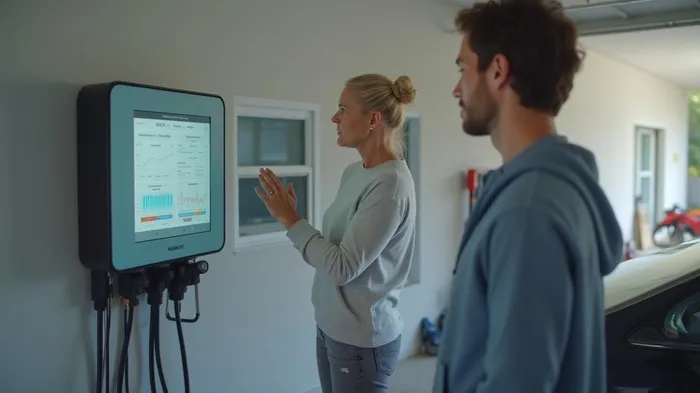
The company’s emphasis on energy management—enabling users to optimize electricity consumption and costs—positions it to capitalize on the growing demand for sustainable EV infrastructure.
Risks and Challenges Loom Large
Despite these strides, Wallbox faces significant headwinds. The Form 20-F’s risk disclosures emphasize reliance on EV adoption rates, which are vulnerable to macroeconomic pressures, supply chain disruptions, and shifts in government incentives. For example, the U.S. Inflation Reduction Act’s EV tax credits have spurred demand, but eligibility requirements could limit their impact.
Operational risks also loom. Wallbox’s late filing of its 2024 report—attributed to audit delays—raises questions about governance and financial management. The revised net loss figure of €152 million, up from preliminary estimates, highlights the unpredictability of impairments and other one-time charges.
Outlook for 2025: Balancing Growth and Profitability
Wallbox expects Q1 2025 revenue of €34–37 million, with gross margins holding steady at 37–39%. However, Adjusted EBITDA is projected to remain negative (€8–11 million), suggesting the path to profitability will be gradual. CEO Enric Asunción reiterated the company’s focus on “cost discipline, innovation, and strategic partnerships” to navigate these challenges.
Conclusion: A Risky Bet on EV Growth
Wallbox’s 2024 results reflect a company at a crossroads. Its 14% revenue growth and product milestones demonstrate compelling long-term potential in a sector expected to grow as EV adoption rises. However, the company’s persistent losses, tight cash position, and reliance on macroeconomic and regulatory tailwinds make it a high-risk investment.
Investors must weigh two critical factors:
1. Market Leadership: With over one million chargers sold and certifications for key markets like Germany and the U.S., Wallbox is well-positioned to benefit from EV adoption trends.
2. Profitability Timeline: The company’s ability to reduce costs and improve margins will determine whether it can survive the current downturn in EV sales and investor sentiment.
The stakes are high. If EV adoption accelerates and Wallbox can scale efficiently, its technology could become a backbone of the smart energy grid. But without a clear path to profitability—or a surge in EV demand—Wallbox may find itself in a prolonged liquidity crunch. For now, the company remains a speculative play on the EV revolution, requiring investors to bet on both its execution and the market’s resilience.
In the end, Wallbox’s story is one of ambition in a dynamic industry. Its success hinges on converting its technological edge and geographic reach into sustainable profits—a challenge that will test the company’s leadership for years to come.





Comentarios
Aún no hay comentarios