
Wall Street Rallies as Trade Tensions Ease and Fed Stability Takes Hold
Investors breathed a collective sigh of relief in April 2025 as two major sources of market anxiety—trade wars and Federal Reserve uncertainty—showed signs of abating. A combination of de-escalation in U.S. tariff policies and reassurances about Federal Reserve Chair Jerome Powell’s tenure fueled a robust Wall Street rally. Below, we dissect the key drivers and their implications for investors.
1. Tariff Policy Shifts: From Brinkmanship to Diplomacy
The White House’s April 2025 tariff strategy began with aggressive measures: a 10% baseline tariff on all nations and sector-specific levies targeting countries like China (125% tariffs) and India (27%). However, recent signals suggest moderation. President Trump hinted at reducing U.S. tariffs on Chinese goods from 145% to 50–65%, while delaying stricter measures for many countries until July. This pivot aligns with a diplomatic push to avoid a full-scale trade war.
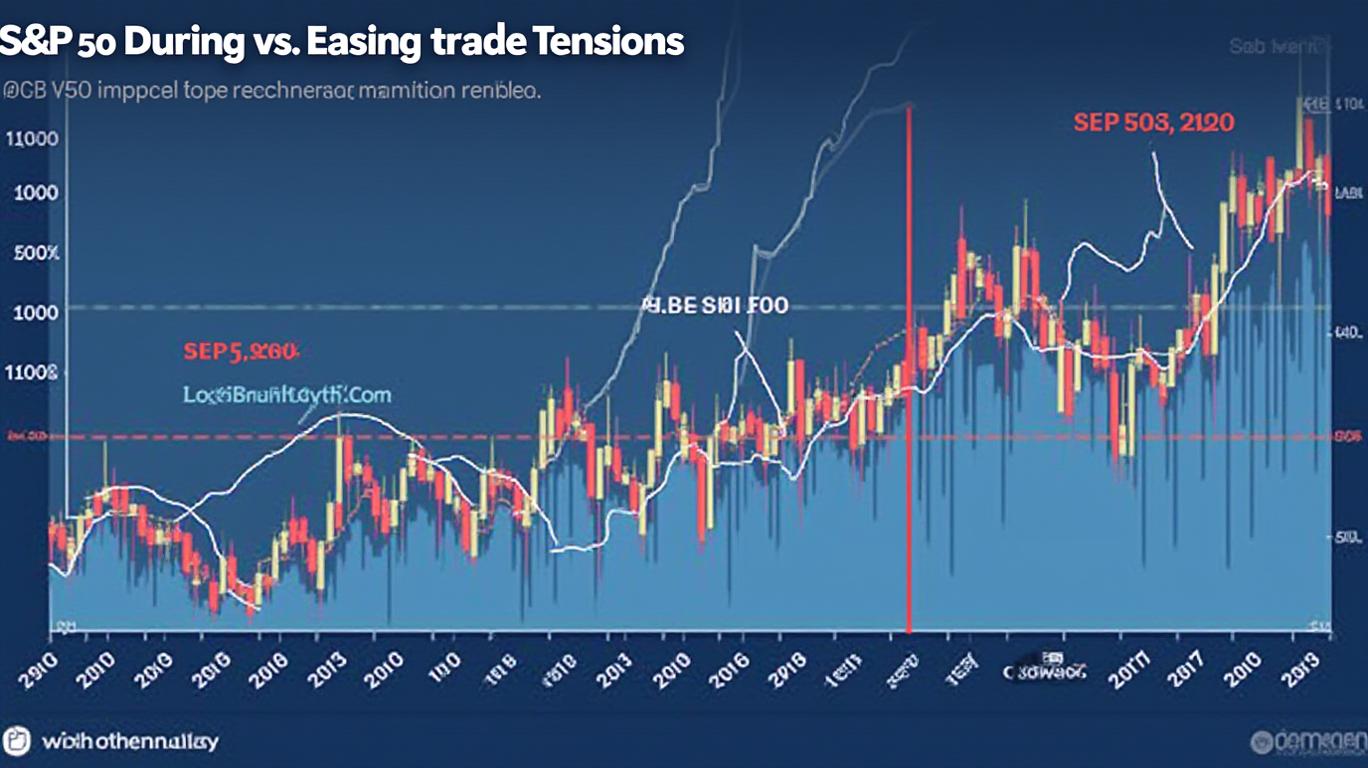
The market responded positively to these developments. Consumer discretionary and industrials sectors, which had been hit by fears of higher input costs, surged as the threat of retaliatory tariffs receded.
2. Fed Chair Powell’s Tenure: Political Storm Passes
Jerome Powell’s position had been under fire as markets braced for a potential removal. However, Trump’s April 22 statement—“I have no intention of firing him”—eased fears of destabilizing political interference. The Fed Chair’s public stance on tariffs also resonated: while acknowledging their risks, Powell emphasized the central bank’s independence in navigating stagflation threats (high inflation paired with slowing growth).
The Fed’s “wait-and-see” approach—holding rates steady while monitoring tariff impacts—appears to have struck the right balance. Equity futures rose nearly 2% after Trump’s remarks, reflecting investor confidence in a stable monetary policy framework.
3. Sector Winners and Losers: Navigating the New Landscape
- Winners:
- Auto manufacturers: The delay in auto-specific tariffs (e.g., EU auto tariffs delayed until July) reduced immediate risks.
- Technology stocks: Companies reliant on global supply chains, such as semiconductor firms, gained as fears of rare earth shortages (driven by China’s export curbs) diminished.
Financials: Lower volatility and stronger consumer confidence supported banking stocks.
Losers:
- Export-dependent industries: U.S. agricultural exports to China (e.g., wheat, cotton) remain hampered by 15% retaliatory tariffs, though a partial de-escalation could ease pressure.
- Energy companies: Natural gas stocks dipped as geopolitical risks (e.g., sanctions on Russian oil imports) receded, reducing urgency for U.S. exports.
4. Data-Driven Optimism: GDP, Inflation, and Employment
The Fed’s caution is justified, but recent data offers grounds for cautious optimism:
- Inflation: Core PCE inflation dipped to 2.6% in March 2025, within striking distance of the 2% target.
- GDP: While first-quarter growth slowed due to tariff-driven import surges, the $728 billion GDP boost projected from a 10% global tariff (per a 2024 analysis) hints at long-term benefits if trade stability is maintained.
- Labor Market: Unemployment remains low at 3.5%, with wage growth outpacing inflation—a sign of economic health.
Conclusion: A Fragile Truce, but Opportunities Abound
The April 2025 rally underscores investor relief at reduced geopolitical and policy risks. Key takeaways:
- Trade Policy: While tariffs remain elevated, delayed implementation and diplomatic talks suggest a path to lower levels. Investors should prioritize sectors insulated from trade wars (e.g., domestic utilities) or positioned to benefit from U.S. manufacturing reshoring (e.g., robotics, semiconductors).
- Fed Watch: Powell’s tenure stability and the Fed’s data-driven approach reduce immediate monetary policy risks. However, inflation’s persistence (near 2.5%) means rate cuts are unlikely until late 2025.
- Market Outlook: The S&P 500’s +5.2% gain in April reflects this sentiment. Risks remain—from China’s rare earth curbs to potential EU retaliatory tariffs—but the path forward is clearer.
For investors, the lesson is clear: stay agile. Monitor trade talks, Fed communications, and sector-specific tariff impacts. With the White House and Fed now focused on stability, the stage is set for a sustained rally—if the truce holds.
Final Note: The market’s gains are not without risks. A return to tariff escalation or a Fed misstep could reverse progress. Stay informed.





Comentarios
Aún no hay comentarios