
Wall Street Futures Plunge as Tariff Fears Intensify
Generado por agente de IATheodore Quinn
domingo, 6 de abril de 2025, 6:36 pm ET2 min de lectura
The opening bell on Sunday evening rang out a grim tone for Wall Street as U.S. stock futures plummeted, reflecting the market's growing unease over President Donald Trump's aggressive tariff policies. The Dow Jones Industrial Average futures fell by 1,531 points, or 4%, while the S&P 500 and Nasdaq-100 futures shed 4% each. This dramatic sell-off comes on the heels of a tumultuous week that saw the Dow post back-to-back losses of more than 1,500 points for the first time ever, including a staggering 2,231-point drop on Friday.
The market's anxiety is palpable, driven by the uncertainty surrounding Trump's tariff policies and the potential for a global trade war. The tariffs, which include a minimum rate of 10% on imports with much higher rates on products from certain countries like China and the European Union, have created a high level of uncertainty and fear among investors. This is evident from the market reactions following the announcement of these tariffs.
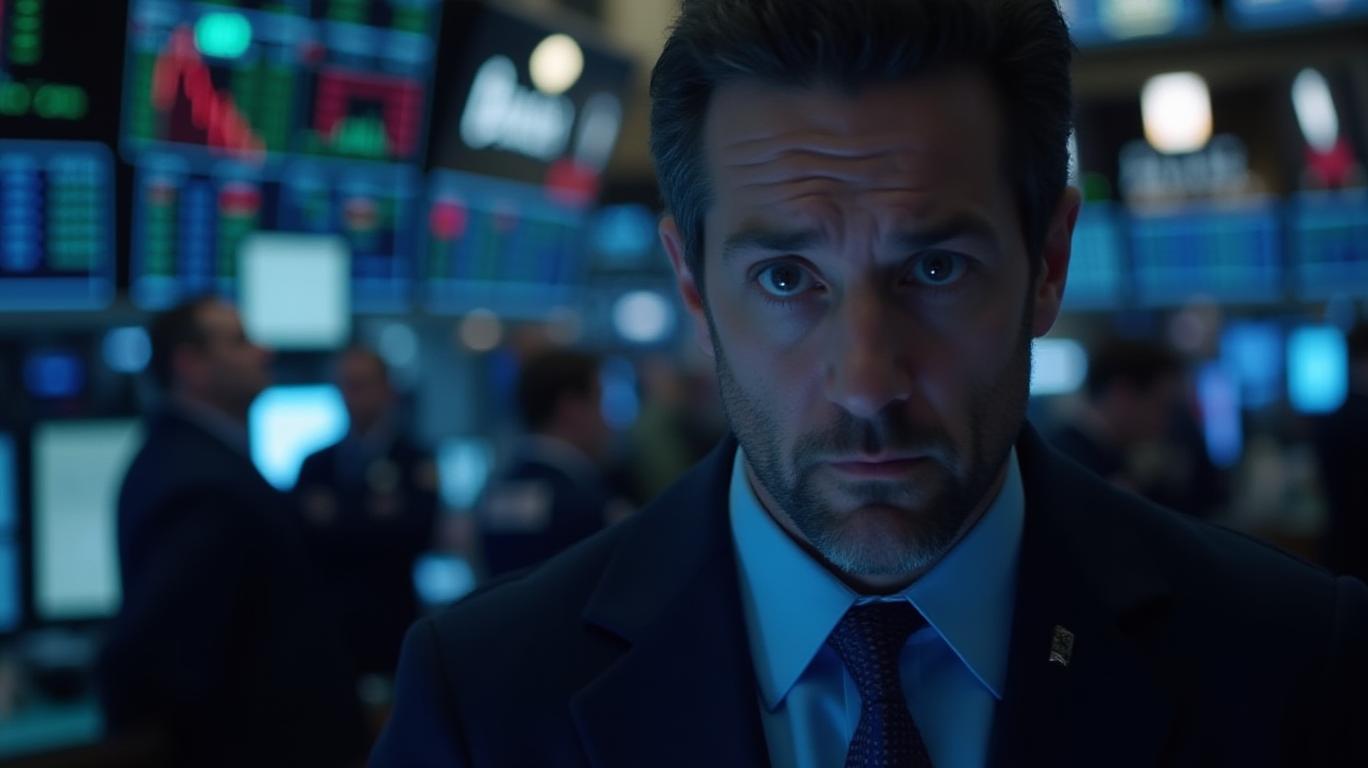
The S&P 500 sank 4.8%, marking its worst day since the pandemic crashed the economy in 2020. The Dow Jones Industrial Average dropped 1,679 points, or 4%, and the Nasdaq composite tumbled 6%. This widespread sell-off indicates the market's concern over the potential economic impacts of the tariffs, including a toxic mix of weakening economic growth and higher inflation. The fear of a recession has also been a significant driver of market volatility, with JPMorganJPEM-- analysts estimating a 60% chance of a recession this year due to the tariffs.
Sectors heavily reliant on international trade, such as technology and manufacturing, have been particularly hard hit. For example, AppleAAPL-- (AAPL), which relies extensively on international supply chains, tumbled more than 9% on Thursday and was down another 7.3% on Friday. NikeNKE-- (NKE), another company with significant international operations, also experienced a sharp decline before rallying slightly after Trump's comments about Vietnam cutting tariffs to zero.
The potential economic impacts of the tariffs, as estimated by UBS, include a possible knock down of U.S. economic growth by 2 percentage points this year and a rise in inflation close to 5%. Such significant economic changes would have profound effects on investor sentiment and market volatility, as seen in the market's reaction to the tariffs.
Investors are grappling with the extent of Trump’s tariffs and the potential for a slowdown in economic growth. Federal Reserve Chair Jerome Powell said during prepared remarks Friday that inflation could remain elevated because of Trump’s tariffs. “While uncertainty remains elevated, it is now becoming clear that the tariff increases will be significantly larger than expected. The same is likely to be true of the economic effects, which will include higher inflation and slower growth,” said Powell, who spoke at an event just outside Washington, DC. “The size and duration of these effects remain uncertain.”
The market's fear gauge, the Cboe Volatility Index, or VIX, surged 50%. “Extreme fear” was the sentiment driving markets, according to CNN’s Fear and Greed index, which slumped to its lowest level this year as investors braced for an escalating global trade war.
In summary, the recent tariff policies have created a high level of uncertainty and fear among investors, leading to increased market volatility. Sectors heavily reliant on international trade have been particularly affected, with significant declines in stock prices reflecting the market's concern over the potential economic impacts of the tariffs. Investors will need to navigate these choppy waters with a long-term perspective, diversification, and strategic adjustments to mitigate the risks associated with heightened market volatility and potential economic downturns.



Divulgación editorial y transparencia de la IA: Ainvest News utiliza tecnología avanzada de Modelos de Lenguaje Largo (LLM) para sintetizar y analizar datos de mercado en tiempo real. Para garantizar los más altos estándares de integridad, cada artículo se somete a un riguroso proceso de verificación con participación humana.
Mientras la IA asiste en el procesamiento de datos y la redacción inicial, un miembro editorial profesional de Ainvest revisa, verifica y aprueba de forma independiente todo el contenido para garantizar su precisión y cumplimiento con los estándares editoriales de Ainvest Fintech Inc. Esta supervisión humana está diseñada para mitigar las alucinaciones de la IA y garantizar el contexto financiero.
Advertencia sobre inversiones: Este contenido se proporciona únicamente con fines informativos y no constituye asesoramiento profesional de inversión, legal o financiero. Los mercados conllevan riesgos inherentes. Se recomienda a los usuarios que realicen una investigación independiente o consulten a un asesor financiero certificado antes de tomar cualquier decisión. Ainvest Fintech Inc. se exime de toda responsabilidad por las acciones tomadas con base en esta información. ¿Encontró un error? Reportar un problema


SOBRE NOSOTROS
Nuestra historiaAutores de noticiasBase de conocimientosPolítica de privacidadTérmino de usoDescargo de responsabilidad de corretaje de tercerosTérminos de uso de AIMEDivulgaciones de riesgos de AInvest AICarrerasCONTÁCTENOS
Email: support@ainvest.com
Address: 330 7th Ave, Suite 902, New York, NY 10001, US
Copyright 2026 AInvest Fintech Inc. All rights reserved.


Comentarios
Aún no hay comentarios