
Wall Street on Edge: Trump's Trade War Sparks Fear of Anti-American Backlash
Generado por agente de IAWesley Park
miércoles, 9 de abril de 2025, 11:21 pm ET2 min de lectura
JPEM--
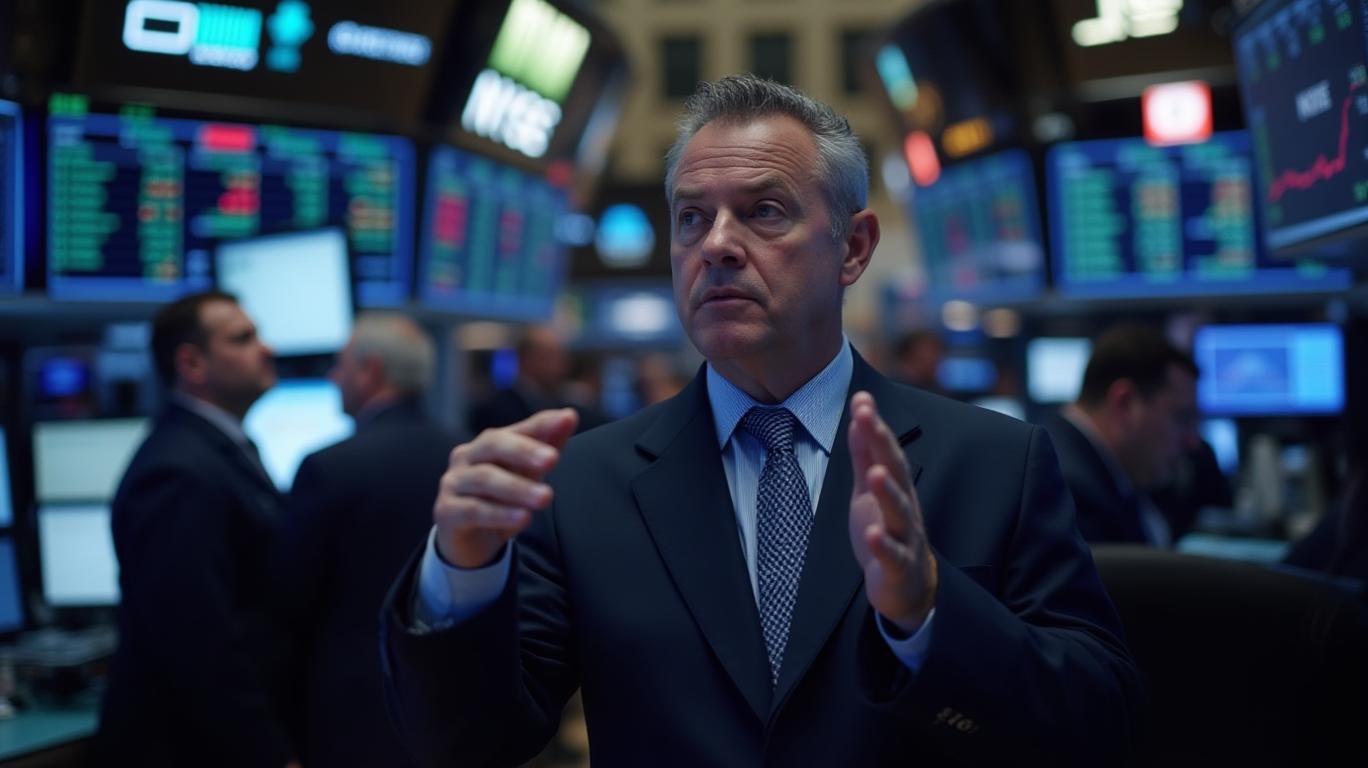
Ladies and gentlemen, buckleBKE-- up! The trade war unleashed by President Trump is sending shockwaves through Wall Street, and the bosses are bracing for impact. The White House's announcement of a 90-day pause and a lowered 10% reciprocal tariff for other countries has done little to calm the nerves of bankers who fear Europe will sideline American investment banks in retaliation. The market is on edge, and the stakes are higher than ever!
The European Union is gearing up to fight back, and they have some serious weapons in their arsenal. The Anti-Coercion Instrument (ACI), conceived in 2021, allows the EU to place restrictions on foreign financial services companies, limiting their access to EU markets. This could be a game-changer for U.S. banks, which have dominated parts of securities trading, including derivatives. The EU is ready to use every tool to protect its single market, and that includes targeting American exports.
But it's not just the EU that's causing concern. French President Emmanuel Macron has called for European companies to suspend planned investments in the United States following Trump's sweeping tariffs. JPMorganJPEM-- CEO Jamie Dimon has already reported losing a couple of bond deals because clients preferred to work with local banks. This trend could quickly dent the market share of U.S. banks in Europe, and the writing is on the wall: the advantage of U.S. banks is eroding.
The market is in turmoil, and the S&P 500 is on the edge of bear market territory. The tech-focused Nasdaq and Dow Jones Industrial Average have similar declines, and investors are dumping typical safe assets like the U.S. dollar and gold. The market rout reflects deepening concern that Trump's tariffs could disrupt global supply chains, fuel inflation, and set off a severe economic downturn.
But it's not all doom and gloom. U.S. banks can take strategic measures to mitigate the risks posed by the EU's Anti-Coercion Instrument (ACI) and other retaliatory actions. Diversifying their client base and geographic footprint, strengthening relationships with local European banks and financial institutionsFISI--, and enhancing compliance and risk management capabilities are all key steps that U.S. banks can take to weather the storm.
But make no mistake, the road ahead is fraught with danger. The longer it takes for talks with foreign governments to yield results, the greater the likelihood of a recession. The market hates uncertainty, and the White House's protectionist trade agenda could result in retaliation and weaken confidence in the U.S. economy, its markets, and the dollar.
So, what's the bottom line? The trade war is a brutal wake-up call for Wall Street traders who had assumed the president would defer to market forces on policy matters. But the market is a sentient adversary, and it's time for U.S. banks to fight back. Diversify, strengthen relationships, and enhance compliance and risk management capabilities. The future of Wall Street depends on it!
Ladies and gentlemen, buckleBKE-- up! The trade war unleashed by President Trump is sending shockwaves through Wall Street, and the bosses are bracing for impact. The White House's announcement of a 90-day pause and a lowered 10% reciprocal tariff for other countries has done little to calm the nerves of bankers who fear Europe will sideline American investment banks in retaliation. The market is on edge, and the stakes are higher than ever!
The European Union is gearing up to fight back, and they have some serious weapons in their arsenal. The Anti-Coercion Instrument (ACI), conceived in 2021, allows the EU to place restrictions on foreign financial services companies, limiting their access to EU markets. This could be a game-changer for U.S. banks, which have dominated parts of securities trading, including derivatives. The EU is ready to use every tool to protect its single market, and that includes targeting American exports.
But it's not just the EU that's causing concern. French President Emmanuel Macron has called for European companies to suspend planned investments in the United States following Trump's sweeping tariffs. JPMorganJPEM-- CEO Jamie Dimon has already reported losing a couple of bond deals because clients preferred to work with local banks. This trend could quickly dent the market share of U.S. banks in Europe, and the writing is on the wall: the advantage of U.S. banks is eroding.
The market is in turmoil, and the S&P 500 is on the edge of bear market territory. The tech-focused Nasdaq and Dow Jones Industrial Average have similar declines, and investors are dumping typical safe assets like the U.S. dollar and gold. The market rout reflects deepening concern that Trump's tariffs could disrupt global supply chains, fuel inflation, and set off a severe economic downturn.
But it's not all doom and gloom. U.S. banks can take strategic measures to mitigate the risks posed by the EU's Anti-Coercion Instrument (ACI) and other retaliatory actions. Diversifying their client base and geographic footprint, strengthening relationships with local European banks and financial institutionsFISI--, and enhancing compliance and risk management capabilities are all key steps that U.S. banks can take to weather the storm.
But make no mistake, the road ahead is fraught with danger. The longer it takes for talks with foreign governments to yield results, the greater the likelihood of a recession. The market hates uncertainty, and the White House's protectionist trade agenda could result in retaliation and weaken confidence in the U.S. economy, its markets, and the dollar.
So, what's the bottom line? The trade war is a brutal wake-up call for Wall Street traders who had assumed the president would defer to market forces on policy matters. But the market is a sentient adversary, and it's time for U.S. banks to fight back. Diversify, strengthen relationships, and enhance compliance and risk management capabilities. The future of Wall Street depends on it!

Divulgación editorial y transparencia de la IA: Ainvest News utiliza tecnología avanzada de Modelos de Lenguaje Largo (LLM) para sintetizar y analizar datos de mercado en tiempo real. Para garantizar los más altos estándares de integridad, cada artículo se somete a un riguroso proceso de verificación con participación humana.
Mientras la IA asiste en el procesamiento de datos y la redacción inicial, un miembro editorial profesional de Ainvest revisa, verifica y aprueba de forma independiente todo el contenido para garantizar su precisión y cumplimiento con los estándares editoriales de Ainvest Fintech Inc. Esta supervisión humana está diseñada para mitigar las alucinaciones de la IA y garantizar el contexto financiero.
Advertencia sobre inversiones: Este contenido se proporciona únicamente con fines informativos y no constituye asesoramiento profesional de inversión, legal o financiero. Los mercados conllevan riesgos inherentes. Se recomienda a los usuarios que realicen una investigación independiente o consulten a un asesor financiero certificado antes de tomar cualquier decisión. Ainvest Fintech Inc. se exime de toda responsabilidad por las acciones tomadas con base en esta información. ¿Encontró un error? Reportar un problema


SOBRE NOSOTROS
Nuestra historiaAutores de noticiasBase de conocimientosPolítica de privacidadTérmino de usoDescargo de responsabilidad de corretaje de tercerosTérminos de uso de AIMEDivulgaciones de riesgos de AInvest AICarrerasCONTÁCTENOS
Email: support@ainvest.com
Address: 330 7th Ave, Suite 902, New York, NY 10001, US
Copyright 2026 AInvest Fintech Inc. All rights reserved.


Comentarios
Aún no hay comentarios