
Walgreens' Store Closures: A Strategic Move for Long-Term Growth
Generado por agente de IAWesley Park
lunes, 9 de diciembre de 2024, 8:11 pm ET1 min de lectura
WBA--
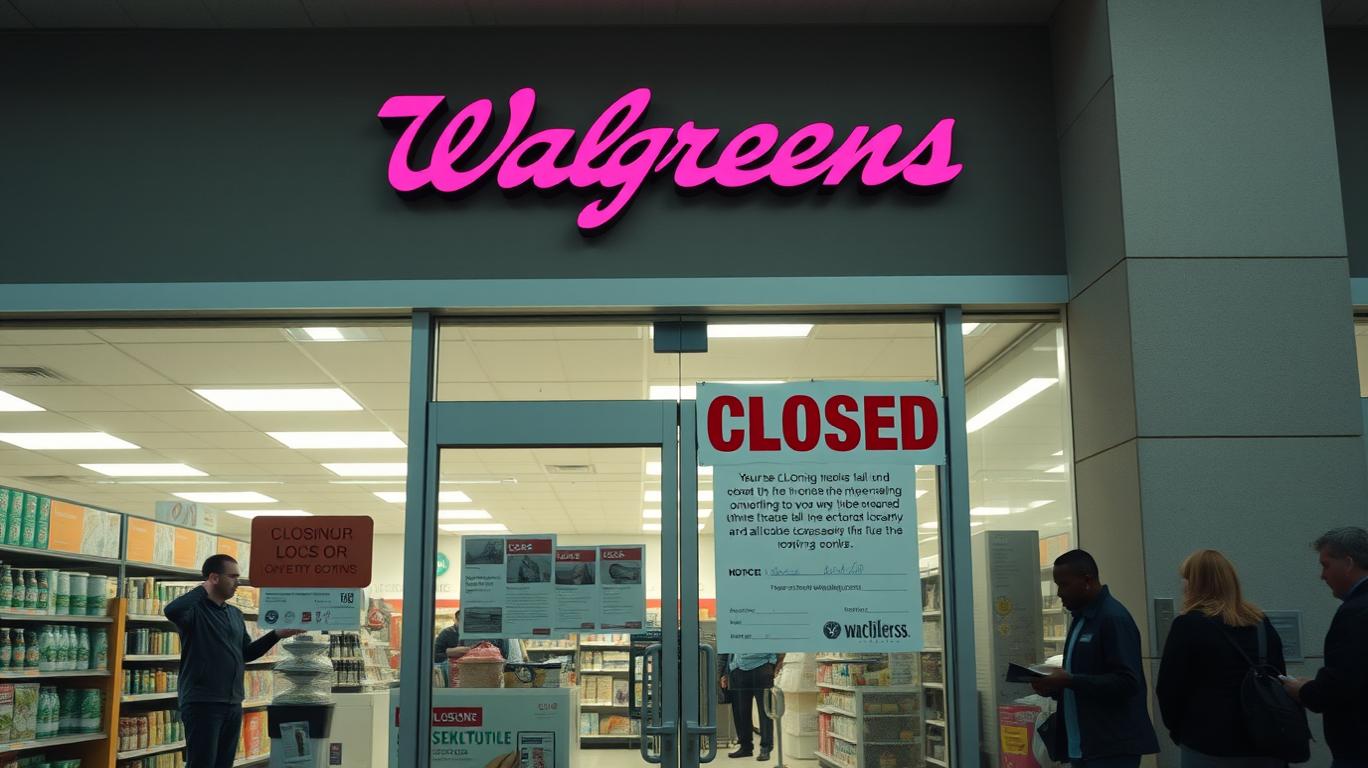
Walgreens Boots Alliance, Inc. (WBA) recently announced the closure of 58 stores across the U.S. in November, marking a significant step in its ongoing turnaround strategy. This move, part of a broader plan to optimize its store footprint, is expected to have both short-term and long-term impacts on the company's financial performance. This article explores the implications of these closures and their alignment with Walgreens' strategic objectives.
Walgreens' store closures are part of a larger effort to improve cash flow and net debt position. The company aims to close around 1,200 underperforming stores by 2025, focusing on cash flow negative locations, lease expirations, and underperforming owned stores. This strategic move is expected to be immediately accretive to adjusted EPS and free cash flow, with the initial 500 closures in 2025 already planned.
In the short term, these closures may lead to a decline in revenue due to lost sales from shuttered locations. However, Walgreens anticipates that the closures will be "immediately accretive to adjusted EPS and free cash flow" (Source: Walgreens Boots Alliance, Inc. Earnings Call, Oct 15, 2024). The company expects to save on operational expenses and reallocate resources to more profitable areas, such as digital health services. In the long term, these cost savings and strategic realignment should enhance Walgreens' financial health and profitability.
Walgreens' store closures are expected to yield significant savings in operating expenses and improve cash flow. By shuttering underperforming stores, Walgreens aims to reduce overhead costs and reallocate capital to more profitable areas. This strategic move is part of the company's broader turnaround plan to optimize its store footprint and enhance shareholder value.
In conclusion, Walgreens' store closures are a strategic move that aligns with its broader turnaround strategy and store optimization plans. While there may be short-term impacts on revenue, the long-term outlook is positive, with cost savings and resource reallocation to digital health services driving profitability. Investors should monitor Walgreens' progress in executing this plan and its impact on the company's financial performance.
Walgreens Boots Alliance, Inc. (WBA) recently announced the closure of 58 stores across the U.S. in November, marking a significant step in its ongoing turnaround strategy. This move, part of a broader plan to optimize its store footprint, is expected to have both short-term and long-term impacts on the company's financial performance. This article explores the implications of these closures and their alignment with Walgreens' strategic objectives.
Walgreens' store closures are part of a larger effort to improve cash flow and net debt position. The company aims to close around 1,200 underperforming stores by 2025, focusing on cash flow negative locations, lease expirations, and underperforming owned stores. This strategic move is expected to be immediately accretive to adjusted EPS and free cash flow, with the initial 500 closures in 2025 already planned.
In the short term, these closures may lead to a decline in revenue due to lost sales from shuttered locations. However, Walgreens anticipates that the closures will be "immediately accretive to adjusted EPS and free cash flow" (Source: Walgreens Boots Alliance, Inc. Earnings Call, Oct 15, 2024). The company expects to save on operational expenses and reallocate resources to more profitable areas, such as digital health services. In the long term, these cost savings and strategic realignment should enhance Walgreens' financial health and profitability.
Walgreens' store closures are expected to yield significant savings in operating expenses and improve cash flow. By shuttering underperforming stores, Walgreens aims to reduce overhead costs and reallocate capital to more profitable areas. This strategic move is part of the company's broader turnaround plan to optimize its store footprint and enhance shareholder value.
In conclusion, Walgreens' store closures are a strategic move that aligns with its broader turnaround strategy and store optimization plans. While there may be short-term impacts on revenue, the long-term outlook is positive, with cost savings and resource reallocation to digital health services driving profitability. Investors should monitor Walgreens' progress in executing this plan and its impact on the company's financial performance.

Divulgación editorial y transparencia de la IA: Ainvest News utiliza tecnología avanzada de Modelos de Lenguaje Largo (LLM) para sintetizar y analizar datos de mercado en tiempo real. Para garantizar los más altos estándares de integridad, cada artículo se somete a un riguroso proceso de verificación con participación humana.
Mientras la IA asiste en el procesamiento de datos y la redacción inicial, un miembro editorial profesional de Ainvest revisa, verifica y aprueba de forma independiente todo el contenido para garantizar su precisión y cumplimiento con los estándares editoriales de Ainvest Fintech Inc. Esta supervisión humana está diseñada para mitigar las alucinaciones de la IA y garantizar el contexto financiero.
Advertencia sobre inversiones: Este contenido se proporciona únicamente con fines informativos y no constituye asesoramiento profesional de inversión, legal o financiero. Los mercados conllevan riesgos inherentes. Se recomienda a los usuarios que realicen una investigación independiente o consulten a un asesor financiero certificado antes de tomar cualquier decisión. Ainvest Fintech Inc. se exime de toda responsabilidad por las acciones tomadas con base en esta información. ¿Encontró un error? Reportar un problema


SOBRE NOSOTROS
Nuestra historiaAutores de noticiasBase de conocimientosPolítica de privacidadTérmino de usoDescargo de responsabilidad de corretaje de tercerosTérminos de uso de AIMEDivulgaciones de riesgos de AInvest AICarrerasCONTÁCTENOS
Email: support@ainvest.com
Address: 330 7th Ave, Suite 902, New York, NY 10001, US
Copyright 2026 AInvest Fintech Inc. All rights reserved.


Comentarios
Aún no hay comentarios