
Walgreens Downgraded, Cava Group Upgraded: Wall Street's Top Analyst Calls
Generado por agente de IAMarcus Lee
viernes, 28 de febrero de 2025, 10:29 am ET2 min de lectura
CAVA--
Walgreens Boots Alliance (WBA) has been downgraded by S&P Global Ratings, while Cava GroupCAVA-- (CAVA) has received an upgrade from Piper Sandler. These moves reflect the contrasting fortunes of the two companies, with Walgreens facing financial and operational challenges, and CavaCAVA-- Group demonstrating strong growth and potential.
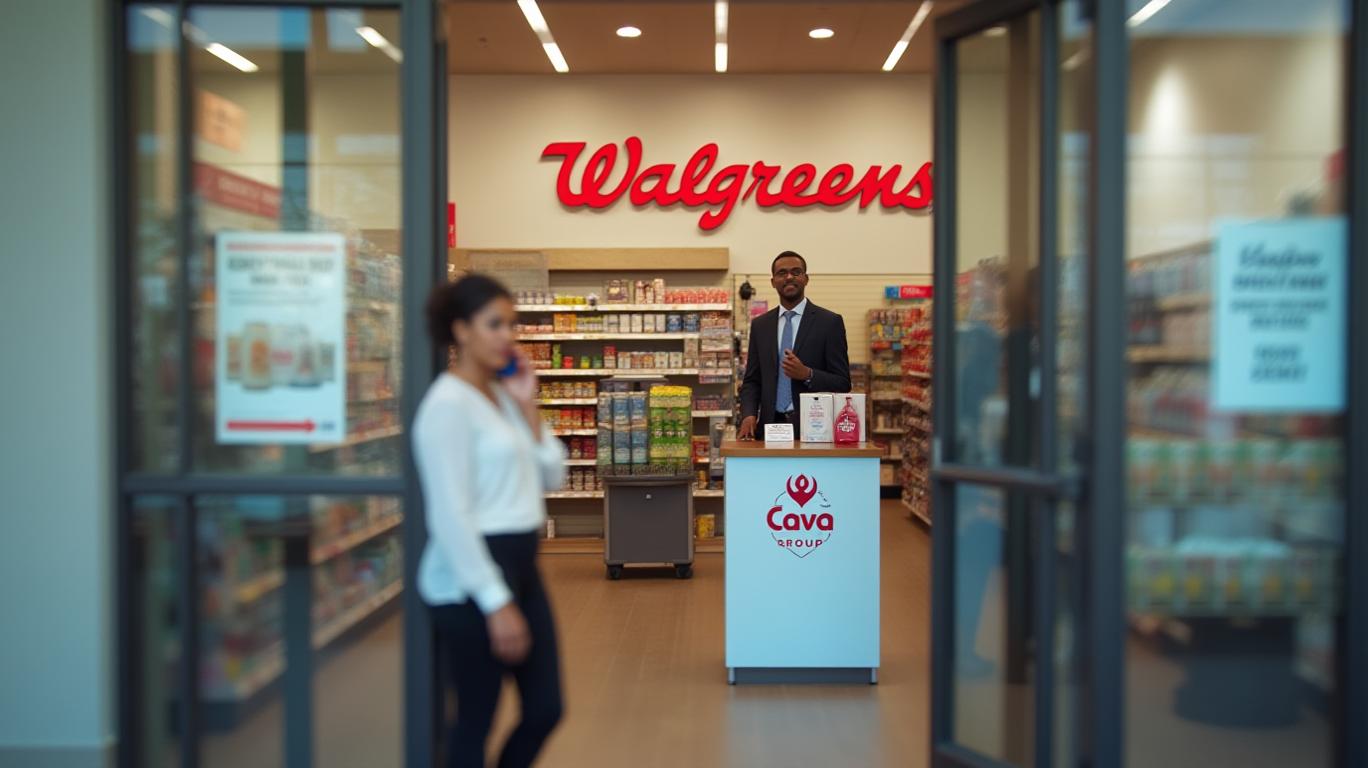
Walgreens Downgraded
S&P Global Ratings downgraded Walgreens by two notches to 'BB' from 'BBB-', placing the drugstore company into speculative-grade territory. The key factors leading to this downgrade include:
1. Weak Guidance: Walgreens' guidance for the year was "notably below" the analysts' expectations, indicating a potential struggle in meeting financial targets.
2. Strategic Changes and Limited Cash Flow: Walgreens has been undergoing material strategic changes, which have led to limited cash flow generation. This lack of cash flow, coupled with the company's large maturities in coming years, poses significant risks to the business.
3. Declining Margins: Walgreens' margins are taking a hit on both the pharmacy and retail sides. In the U.S., margins are declining due to reimbursement pressure on the pharmacy side and declining sales volume and higher shrink on the retail side. The analysts expect Walgreens' S&P Global Ratings-adjusted EBITDA margin to decline more than 100 basis points this fiscal year, dipping below 5% from 6% last year.
4. Debt and Refinancing Risks: Walgreens faces a significant debt load and needs to refinance much of it. In November 2025, the company faces $1.4 billion in maturities, mostly U.S. bonds, with another $2.8 billion coming due in fiscal 2026 and $1.8 billion in fiscal 2027. The analysts called Walgreens' move to consolidate cash "prudent" in case refinancing isn't possible, highlighting the risks associated with the company's debt situation.
5. Strategic Weaknesses: The company's new management, led by ex-Cigna executive Tim Wentworth, has overseen a strategic review that has entailed more layoffs and store closures. Walgreens has also upended some of its plans to expand its medical care operations, divesting of or shrinking many of its original investments and plans. Despite these moves, the analysts continue to see the VillageMD banner as "a significant drag on profitability due to the rising cost of labor, pressures from reimbursement, and lower volumes."
Cava Group Upgraded
Piper Sandler upgraded Cava Group to an Overweight rating, citing the restaurant stock's potential for strong growth and its position as a category-defining Mediterranean fast-casual restaurant brand. The analysts see Cava Group as one of the best ways to invest in the growing limited-service restaurant sector, as well as the health and wellness food category.

Cava Group's strong third-quarter results, including a 39% year-over-year revenue growth and an 18.1% increase in same-restaurant sales, demonstrate the company's ability to drive growth through both new store openings and existing restaurant performance. The company's restaurant-level profit margin of 25.6% is on par with that of Chipotle Mexican Grill, indicating strong profitability.
However, Cava Group's high price-to-sales multiple of 14.8 may limit its upside potential in the near term. Most analysts rate the stock a "hold," suggesting that investors may want to wait for a more attractive entry point before buying the stock.
Conclusion
Walgreens' downgrade reflects the company's financial and operational challenges, as well as the risks associated with its strategic changes and limited cash flow generation. Investors should closely monitor the company's situation and consider adjusting their exposure accordingly. In contrast, Cava Group's upgrade highlights the company's strong growth potential and position in the growing limited-service restaurant sector. While the stock's high valuation may limit its near-term upside, investors should keep an eye on the company's progress and consider buying the stock at a more attractive entry point.
WBA--
Walgreens Boots Alliance (WBA) has been downgraded by S&P Global Ratings, while Cava GroupCAVA-- (CAVA) has received an upgrade from Piper Sandler. These moves reflect the contrasting fortunes of the two companies, with Walgreens facing financial and operational challenges, and CavaCAVA-- Group demonstrating strong growth and potential.
Walgreens Downgraded
S&P Global Ratings downgraded Walgreens by two notches to 'BB' from 'BBB-', placing the drugstore company into speculative-grade territory. The key factors leading to this downgrade include:
1. Weak Guidance: Walgreens' guidance for the year was "notably below" the analysts' expectations, indicating a potential struggle in meeting financial targets.
2. Strategic Changes and Limited Cash Flow: Walgreens has been undergoing material strategic changes, which have led to limited cash flow generation. This lack of cash flow, coupled with the company's large maturities in coming years, poses significant risks to the business.
3. Declining Margins: Walgreens' margins are taking a hit on both the pharmacy and retail sides. In the U.S., margins are declining due to reimbursement pressure on the pharmacy side and declining sales volume and higher shrink on the retail side. The analysts expect Walgreens' S&P Global Ratings-adjusted EBITDA margin to decline more than 100 basis points this fiscal year, dipping below 5% from 6% last year.
4. Debt and Refinancing Risks: Walgreens faces a significant debt load and needs to refinance much of it. In November 2025, the company faces $1.4 billion in maturities, mostly U.S. bonds, with another $2.8 billion coming due in fiscal 2026 and $1.8 billion in fiscal 2027. The analysts called Walgreens' move to consolidate cash "prudent" in case refinancing isn't possible, highlighting the risks associated with the company's debt situation.
5. Strategic Weaknesses: The company's new management, led by ex-Cigna executive Tim Wentworth, has overseen a strategic review that has entailed more layoffs and store closures. Walgreens has also upended some of its plans to expand its medical care operations, divesting of or shrinking many of its original investments and plans. Despite these moves, the analysts continue to see the VillageMD banner as "a significant drag on profitability due to the rising cost of labor, pressures from reimbursement, and lower volumes."
Cava Group Upgraded
Piper Sandler upgraded Cava Group to an Overweight rating, citing the restaurant stock's potential for strong growth and its position as a category-defining Mediterranean fast-casual restaurant brand. The analysts see Cava Group as one of the best ways to invest in the growing limited-service restaurant sector, as well as the health and wellness food category.
Cava Group's strong third-quarter results, including a 39% year-over-year revenue growth and an 18.1% increase in same-restaurant sales, demonstrate the company's ability to drive growth through both new store openings and existing restaurant performance. The company's restaurant-level profit margin of 25.6% is on par with that of Chipotle Mexican Grill, indicating strong profitability.
However, Cava Group's high price-to-sales multiple of 14.8 may limit its upside potential in the near term. Most analysts rate the stock a "hold," suggesting that investors may want to wait for a more attractive entry point before buying the stock.
Conclusion
Walgreens' downgrade reflects the company's financial and operational challenges, as well as the risks associated with its strategic changes and limited cash flow generation. Investors should closely monitor the company's situation and consider adjusting their exposure accordingly. In contrast, Cava Group's upgrade highlights the company's strong growth potential and position in the growing limited-service restaurant sector. While the stock's high valuation may limit its near-term upside, investors should keep an eye on the company's progress and consider buying the stock at a more attractive entry point.



Divulgación editorial y transparencia de la IA: Ainvest News utiliza tecnología avanzada de Modelos de Lenguaje Largo (LLM) para sintetizar y analizar datos de mercado en tiempo real. Para garantizar los más altos estándares de integridad, cada artículo se somete a un riguroso proceso de verificación con participación humana.
Mientras la IA asiste en el procesamiento de datos y la redacción inicial, un miembro editorial profesional de Ainvest revisa, verifica y aprueba de forma independiente todo el contenido para garantizar su precisión y cumplimiento con los estándares editoriales de Ainvest Fintech Inc. Esta supervisión humana está diseñada para mitigar las alucinaciones de la IA y garantizar el contexto financiero.
Advertencia sobre inversiones: Este contenido se proporciona únicamente con fines informativos y no constituye asesoramiento profesional de inversión, legal o financiero. Los mercados conllevan riesgos inherentes. Se recomienda a los usuarios que realicen una investigación independiente o consulten a un asesor financiero certificado antes de tomar cualquier decisión. Ainvest Fintech Inc. se exime de toda responsabilidad por las acciones tomadas con base en esta información. ¿Encontró un error? Reportar un problema


SOBRE NOSOTROS
Nuestra historiaAutores de noticiasBase de conocimientosPolítica de privacidadTérmino de usoDescargo de responsabilidad de corretaje de tercerosTérminos de uso de AIMEDivulgaciones de riesgos de AInvest AICarrerasCONTÁCTENOS
Email: support@ainvest.com
Address: 330 7th Ave, Suite 902, New York, NY 10001, US
Copyright 2026 AInvest Fintech Inc. All rights reserved.


Comentarios
Aún no hay comentarios