
Waffle House's Egg Markup: A Symptom of US Restaurant Strain
Generado por agente de IAHarrison Brooks
miércoles, 5 de febrero de 2025, 2:46 pm ET2 min de lectura
ANSC--
The Waffle House, a beloved American restaurant chain known for its 24/7 service and affordable breakfast options, has implemented a 50-cent per egg surcharge due to the ongoing bird flu outbreak. This move, while seemingly small, is a clear indication of the broader strain that US restaurants are facing as a result of rising food costs and inflation. In this article, we will explore the factors contributing to this trend and discuss the strategies restaurants are employing to mitigate the impact of inflation on their profit margins.
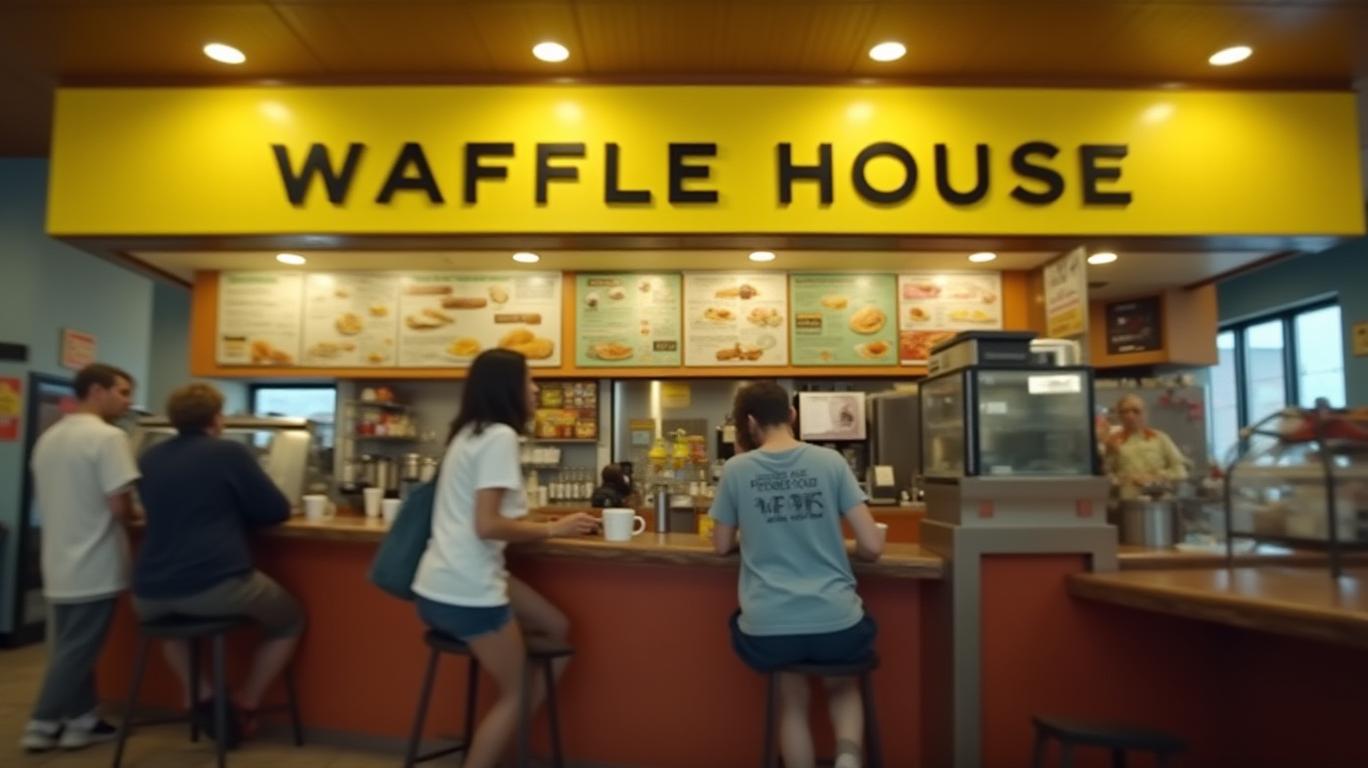
The Waffle House Egg Surcharge: A Symptom of Broader Restaurant Strain
The Waffle House's decision to impose a 50-cent per egg surcharge is a direct response to the dramatic increase in egg prices, driven primarily by the H5N1 bird flu outbreak. This outbreak has led to a significant reduction in the egg supply, pushing prices to more than double their cost in the summer of 2023. The average price per dozen eggs nationwide hit $4.15 in December 2023, with the Agriculture Department predicting a further 20% increase in egg prices this year.
This egg surcharge is just one example of the broader trend of rising food costs and inflation affecting the restaurant industry. According to the National Restaurant Association, full-service restaurant menu prices increased by 3.6% by December 2024, while limited-service restaurant prices rose by 3.7%. These increases, while more moderate than in recent years, still contribute to the overall strain on restaurants and their customers.
Factors Contributing to Rising Food Costs and Inflation
Several factors contribute to the rising food costs and inflation that restaurants are facing:
1. Bird Flu Outbreak: The H5N1 bird flu has been spreading widely among wild birds, poultry, cows, and other animals, leading to a shortage of eggs and increased prices.
2. Increasing Fertilizer and Feed Costs: Extreme weather events and supply chain challenges have led to a rise in fertilizer and feed costs, further driving up food prices.
3. Extreme Weather: Weather events, such as droughts and floods, can disrupt agricultural production and lead to increased food prices.
4. Wars and Geopolitical Tensions: Geopolitical instability can disrupt global food supply chains and contribute to rising food prices.
5. Rising Labor and Construction Costs: These costs have been increasing, putting additional pressure on restaurants to raise prices to maintain profitability.
Strategies to Mitigate the Impact of Inflation on Profit Margins
Restaurants are employing various strategies to mitigate the impact of inflation on their profit margins:
1. Menu Engineering and Pricing Strategy: Restaurants can optimize their menus by removing low-margin items and focusing on high-demand, high-margin dishes. Implementing dynamic pricing using AI-based technology can help adjust prices in real-time based on demand, time of day, or weather conditions.
2. Shrinkflation: Restaurants can subtly reduce portion sizes to manage rising food costs without directly raising prices. This strategy, known as shrinkflation, can help maintain profit margins without alienating customers.
3. Automation and Technology: Adopting self-service kiosks and AI-powered ordering systems can reduce labor costs and improve order accuracy. This shift towards automation can help restaurants maintain their profit margins in the face of rising labor costs.
4. Subscription Dining and Loyalty Programs: Implementing subscription dining models or loyalty programs can promote customer loyalty and ensure steady revenue, helping restaurants maintain their profit margins.
5. Negotiating with Suppliers and Buying Locally: Restaurants can explore negotiating with suppliers or buying locally to reduce food costs. This strategy can help restaurants maintain their profit margins by reducing their input costs.
The Role of Consumer Dining Habits and Preferences
As restaurant prices rise, consumers are adapting their dining habits and preferences to accommodate the increasing costs. This includes shifting towards cheaper alternatives, reducing the frequency of dining out, and seeking out budget-friendly options. These adaptations have a direct impact on the restaurant industry's economic landscape, affecting sales, menu changes, and local economies.
In conclusion, the Waffle House egg surcharge is a clear reflection of the broader trend of rising food costs and inflation in the restaurant industry. As restaurants face increasing input costs and shrinking profit margins, they are employing various strategies to mitigate the impact of inflation on their businesses. Meanwhile, consumers are adapting their dining habits and preferences to accommodate the rising prices, contributing to the overall economic impact of inflation on the restaurant industry.
The Waffle House, a beloved American restaurant chain known for its 24/7 service and affordable breakfast options, has implemented a 50-cent per egg surcharge due to the ongoing bird flu outbreak. This move, while seemingly small, is a clear indication of the broader strain that US restaurants are facing as a result of rising food costs and inflation. In this article, we will explore the factors contributing to this trend and discuss the strategies restaurants are employing to mitigate the impact of inflation on their profit margins.
The Waffle House Egg Surcharge: A Symptom of Broader Restaurant Strain
The Waffle House's decision to impose a 50-cent per egg surcharge is a direct response to the dramatic increase in egg prices, driven primarily by the H5N1 bird flu outbreak. This outbreak has led to a significant reduction in the egg supply, pushing prices to more than double their cost in the summer of 2023. The average price per dozen eggs nationwide hit $4.15 in December 2023, with the Agriculture Department predicting a further 20% increase in egg prices this year.
This egg surcharge is just one example of the broader trend of rising food costs and inflation affecting the restaurant industry. According to the National Restaurant Association, full-service restaurant menu prices increased by 3.6% by December 2024, while limited-service restaurant prices rose by 3.7%. These increases, while more moderate than in recent years, still contribute to the overall strain on restaurants and their customers.
Factors Contributing to Rising Food Costs and Inflation
Several factors contribute to the rising food costs and inflation that restaurants are facing:
1. Bird Flu Outbreak: The H5N1 bird flu has been spreading widely among wild birds, poultry, cows, and other animals, leading to a shortage of eggs and increased prices.
2. Increasing Fertilizer and Feed Costs: Extreme weather events and supply chain challenges have led to a rise in fertilizer and feed costs, further driving up food prices.
3. Extreme Weather: Weather events, such as droughts and floods, can disrupt agricultural production and lead to increased food prices.
4. Wars and Geopolitical Tensions: Geopolitical instability can disrupt global food supply chains and contribute to rising food prices.
5. Rising Labor and Construction Costs: These costs have been increasing, putting additional pressure on restaurants to raise prices to maintain profitability.
Strategies to Mitigate the Impact of Inflation on Profit Margins
Restaurants are employing various strategies to mitigate the impact of inflation on their profit margins:
1. Menu Engineering and Pricing Strategy: Restaurants can optimize their menus by removing low-margin items and focusing on high-demand, high-margin dishes. Implementing dynamic pricing using AI-based technology can help adjust prices in real-time based on demand, time of day, or weather conditions.
2. Shrinkflation: Restaurants can subtly reduce portion sizes to manage rising food costs without directly raising prices. This strategy, known as shrinkflation, can help maintain profit margins without alienating customers.
3. Automation and Technology: Adopting self-service kiosks and AI-powered ordering systems can reduce labor costs and improve order accuracy. This shift towards automation can help restaurants maintain their profit margins in the face of rising labor costs.
4. Subscription Dining and Loyalty Programs: Implementing subscription dining models or loyalty programs can promote customer loyalty and ensure steady revenue, helping restaurants maintain their profit margins.
5. Negotiating with Suppliers and Buying Locally: Restaurants can explore negotiating with suppliers or buying locally to reduce food costs. This strategy can help restaurants maintain their profit margins by reducing their input costs.
The Role of Consumer Dining Habits and Preferences
As restaurant prices rise, consumers are adapting their dining habits and preferences to accommodate the increasing costs. This includes shifting towards cheaper alternatives, reducing the frequency of dining out, and seeking out budget-friendly options. These adaptations have a direct impact on the restaurant industry's economic landscape, affecting sales, menu changes, and local economies.
In conclusion, the Waffle House egg surcharge is a clear reflection of the broader trend of rising food costs and inflation in the restaurant industry. As restaurants face increasing input costs and shrinking profit margins, they are employing various strategies to mitigate the impact of inflation on their businesses. Meanwhile, consumers are adapting their dining habits and preferences to accommodate the rising prices, contributing to the overall economic impact of inflation on the restaurant industry.

Divulgación editorial y transparencia de la IA: Ainvest News utiliza tecnología avanzada de Modelos de Lenguaje Largo (LLM) para sintetizar y analizar datos de mercado en tiempo real. Para garantizar los más altos estándares de integridad, cada artículo se somete a un riguroso proceso de verificación con participación humana.
Mientras la IA asiste en el procesamiento de datos y la redacción inicial, un miembro editorial profesional de Ainvest revisa, verifica y aprueba de forma independiente todo el contenido para garantizar su precisión y cumplimiento con los estándares editoriales de Ainvest Fintech Inc. Esta supervisión humana está diseñada para mitigar las alucinaciones de la IA y garantizar el contexto financiero.
Advertencia sobre inversiones: Este contenido se proporciona únicamente con fines informativos y no constituye asesoramiento profesional de inversión, legal o financiero. Los mercados conllevan riesgos inherentes. Se recomienda a los usuarios que realicen una investigación independiente o consulten a un asesor financiero certificado antes de tomar cualquier decisión. Ainvest Fintech Inc. se exime de toda responsabilidad por las acciones tomadas con base en esta información. ¿Encontró un error? Reportar un problema




Comentarios
Aún no hay comentarios