
Voting Rights in 2024: A Critical Election Year
Generado por agente de IAEli Grant
jueves, 5 de diciembre de 2024, 2:57 am ET2 min de lectura
EYE--
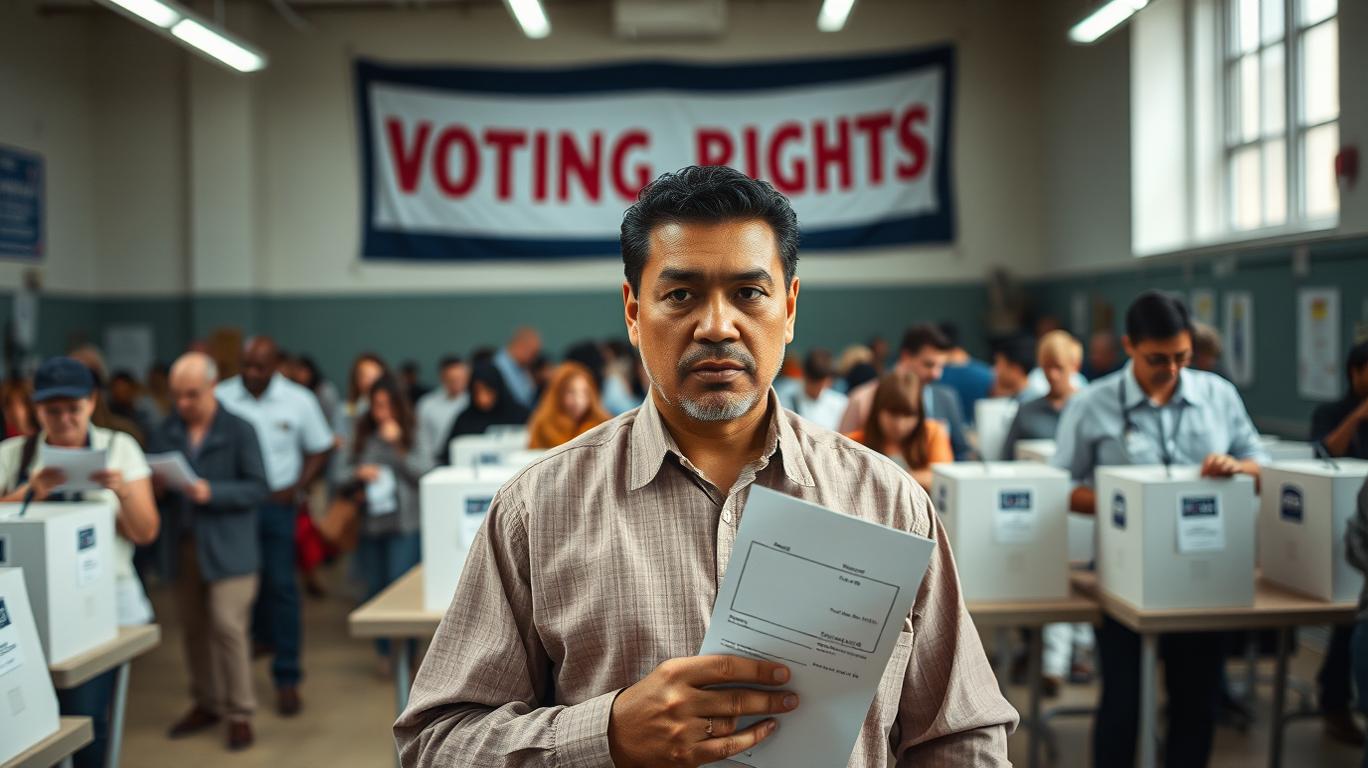
As we approach the 2024 presidential election, voting rights and election integrity have become topics of heightened scrutiny. With ongoing redistricting battles, legal challenges, and policy changes, the political landscape is evolving rapidly. This article explores the key questions and trends that will shape the voting rights landscape in the United States this year.
As we delve into the complex world of voting rights, it is essential to consider the motivations and behaviors of investors. The political environment can significantly impact the market, as seen in the "Trump trade" phenomenon. Analysts have attributed the stock market's performance during the Trump administration to various factors, including election sentiment, economic policies, and geopolitical dynamics. As the 2024 election approaches, investors will likely continue to monitor political developments, weighing the potential impact on market trends.
The Supreme Court's role in shaping voting rights and candidate eligibility will be critical in 2024. The U.S. Supreme Court is set to hear several redistricting cases that could significantly influence the political landscape. In Wisconsin, a state supreme court hearing in November will determine the outcome of the state's legislative maps, affecting millions of voters' districts and potentially altering the balance of power between political parties.
Redistricting cases and election maps can significantly impact the balance of power, especially in swing states like Wisconsin. Changes in maps could alter the partisan composition of state legislatures and Congressional delegations, influencing laws and policies. For instance, a Republican-friendly map could strengthen the GOP's hold on the state, affecting national politics by potentially swinging Wisconsin's 10 Electoral College votes. Conversely, a more competitive map could make Wisconsin a swing state, influencing national elections.
The outcomes of redistricting cases, particularly in swing states, will shape the political landscape and election strategies for the 2024 presidential election. In the lead-up to the election, ongoing legal battles over electoral maps in various states will influence voter registration, access, and ultimately, the election results. As the U.S. Supreme Court considers cases that may further gut the Voting Rights Act, the future of democracy hangs in the balance, making redistricting a crucial factor in the upcoming election.
As the 2024 election approaches, it is crucial for investors to stay informed about the evolving political landscape and its potential impact on market trends. By monitoring key developments in voting rights litigation, redistricting cases, and policy changes, investors can make strategic decisions that capitalize on emerging opportunities and mitigate risks.
In conclusion, the 2024 election is shaping up to be a critical year for voting rights and election integrity. As investors keep a close eye on the political environment, the interplay of redistricting, voting laws, and voter protections will significantly influence voter turnout and representation, ultimately determining the election's outcome. By staying informed and adaptable, investors can navigate the complex political landscape and capitalize on the opportunities that arise in the ever-evolving market.
As we approach the 2024 presidential election, voting rights and election integrity have become topics of heightened scrutiny. With ongoing redistricting battles, legal challenges, and policy changes, the political landscape is evolving rapidly. This article explores the key questions and trends that will shape the voting rights landscape in the United States this year.
As we delve into the complex world of voting rights, it is essential to consider the motivations and behaviors of investors. The political environment can significantly impact the market, as seen in the "Trump trade" phenomenon. Analysts have attributed the stock market's performance during the Trump administration to various factors, including election sentiment, economic policies, and geopolitical dynamics. As the 2024 election approaches, investors will likely continue to monitor political developments, weighing the potential impact on market trends.
The Supreme Court's role in shaping voting rights and candidate eligibility will be critical in 2024. The U.S. Supreme Court is set to hear several redistricting cases that could significantly influence the political landscape. In Wisconsin, a state supreme court hearing in November will determine the outcome of the state's legislative maps, affecting millions of voters' districts and potentially altering the balance of power between political parties.
Redistricting cases and election maps can significantly impact the balance of power, especially in swing states like Wisconsin. Changes in maps could alter the partisan composition of state legislatures and Congressional delegations, influencing laws and policies. For instance, a Republican-friendly map could strengthen the GOP's hold on the state, affecting national politics by potentially swinging Wisconsin's 10 Electoral College votes. Conversely, a more competitive map could make Wisconsin a swing state, influencing national elections.
The outcomes of redistricting cases, particularly in swing states, will shape the political landscape and election strategies for the 2024 presidential election. In the lead-up to the election, ongoing legal battles over electoral maps in various states will influence voter registration, access, and ultimately, the election results. As the U.S. Supreme Court considers cases that may further gut the Voting Rights Act, the future of democracy hangs in the balance, making redistricting a crucial factor in the upcoming election.
As the 2024 election approaches, it is crucial for investors to stay informed about the evolving political landscape and its potential impact on market trends. By monitoring key developments in voting rights litigation, redistricting cases, and policy changes, investors can make strategic decisions that capitalize on emerging opportunities and mitigate risks.
In conclusion, the 2024 election is shaping up to be a critical year for voting rights and election integrity. As investors keep a close eye on the political environment, the interplay of redistricting, voting laws, and voter protections will significantly influence voter turnout and representation, ultimately determining the election's outcome. By staying informed and adaptable, investors can navigate the complex political landscape and capitalize on the opportunities that arise in the ever-evolving market.

Divulgación editorial y transparencia de la IA: Ainvest News utiliza tecnología avanzada de Modelos de Lenguaje Largo (LLM) para sintetizar y analizar datos de mercado en tiempo real. Para garantizar los más altos estándares de integridad, cada artículo se somete a un riguroso proceso de verificación con participación humana.
Mientras la IA asiste en el procesamiento de datos y la redacción inicial, un miembro editorial profesional de Ainvest revisa, verifica y aprueba de forma independiente todo el contenido para garantizar su precisión y cumplimiento con los estándares editoriales de Ainvest Fintech Inc. Esta supervisión humana está diseñada para mitigar las alucinaciones de la IA y garantizar el contexto financiero.
Advertencia sobre inversiones: Este contenido se proporciona únicamente con fines informativos y no constituye asesoramiento profesional de inversión, legal o financiero. Los mercados conllevan riesgos inherentes. Se recomienda a los usuarios que realicen una investigación independiente o consulten a un asesor financiero certificado antes de tomar cualquier decisión. Ainvest Fintech Inc. se exime de toda responsabilidad por las acciones tomadas con base en esta información. ¿Encontró un error? Reportar un problema


SOBRE NOSOTROS
Nuestra historiaAutores de noticiasBase de conocimientosPolítica de privacidadTérmino de usoDescargo de responsabilidad de corretaje de tercerosTérminos de uso de AIMEDivulgaciones de riesgos de AInvest AICarrerasCONTÁCTENOS
Email: support@ainvest.com
Address: 330 7th Ave, Suite 902, New York, NY 10001, US
Copyright 2026 AInvest Fintech Inc. All rights reserved.


Comentarios
Aún no hay comentarios