
Volkswagen's Plant Closures: A Red Line for Workers and Investors
Generado por agente de IAWesley Park
miércoles, 20 de noviembre de 2024, 4:11 am ET2 min de lectura
MS--
Volkswagen's (VW) recent announcement of potential plant closures in Germany has sparked outrage among employee representatives, with the works council chief, Daniela Cavallo, stating that these plans cross several red lines. The company's proposal to terminate a 29-year-old employment protection agreement has raised concerns about job security and employee morale. This article analyzes the potential impact of VW's strategic decisions on its workforce, local economies, and long-term competitiveness.
VW's proposed changes to employment protection agreements could lead to significant job losses and plant closures, affecting around 120,000 employees in Germany. The company cited intense competition, Germany's economic stagnation, and the need to "act decisively" as reasons for these measures. However, the works council and labor unions, such as IG Metall, have criticized the company's plans, demanding sustainable concepts for the future and vowing to fight to protect jobs.
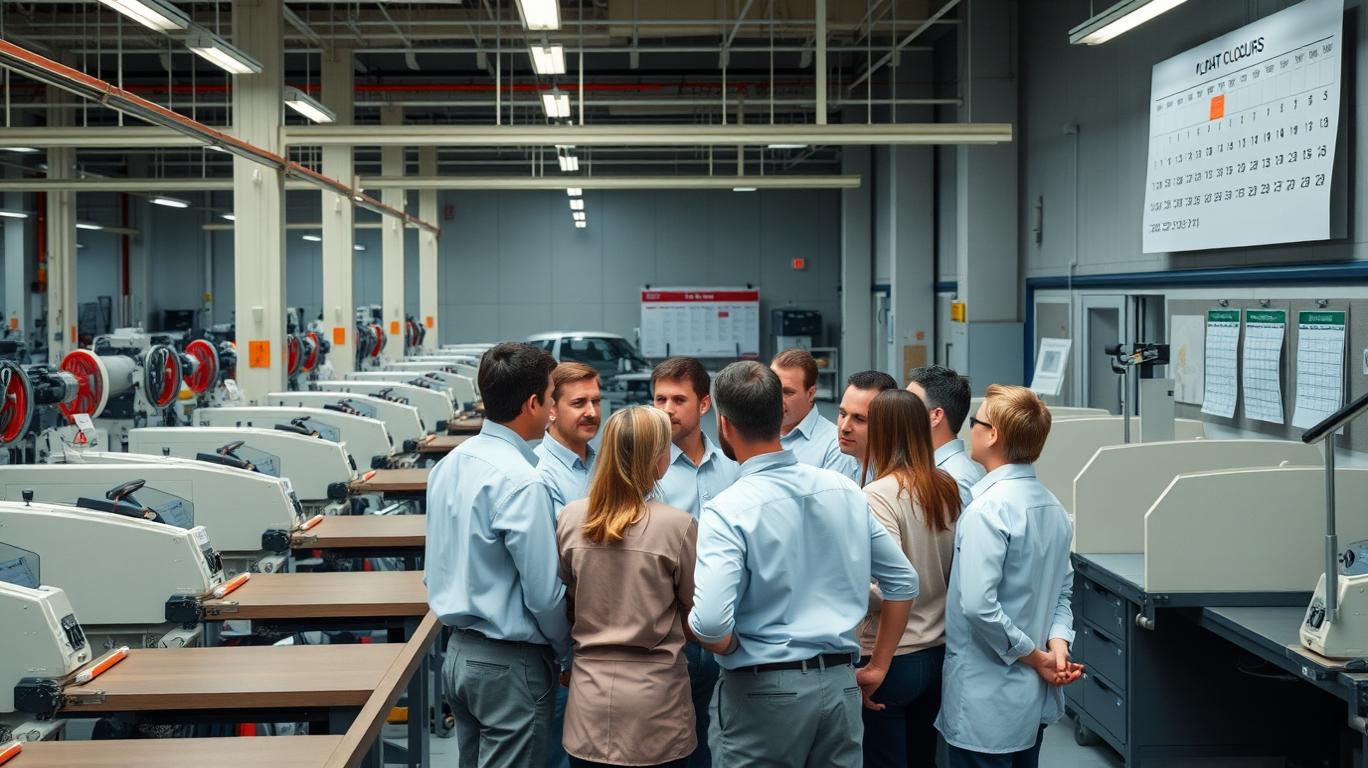
The potential job losses and plant closures could have a substantial impact on local economies, particularly in Lower Saxony, where six out of ten German VW plants are located. These plants employ around 60,000 people, contributing to the region's economic stability and growth. A reduction in employment and production could lead to decreased consumer spending, reduced demand for local services, and a potential decline in regional GDP. Moreover, the ripple effects could extend to suppliers and related industries, exacerbating the economic impact.
As an investor, it is crucial to consider the potential long-term implications of VW's strategic decisions on the company's competitiveness and valuation. While cost-cutting measures may enhance short-term financial performance, they could also lead to brain drain and hinder the company's ability to innovate and maintain its technological edge. The resistance from labor representatives and unions could further complicate the situation, potentially leading to labor unrest and further eroding employee morale.
In light of these challenges, VW must navigate a delicate balance between cost-cutting and maintaining its competitive advantage. The company should explore alternative cost-cutting measures, such as reducing complexity and regulatory burden, streamlining operations, and creating synergies between brands. By working together with employee and union representatives, Volkswagen can develop a master plan that secures locations, capacity utilization, and employment in the long term.
The author's core investment values emphasize stability, predictability, and consistent growth. They favor 'boring but lucrative' investments, valuing companies like Morgan Stanley that offer steady performance without surprises. In the case of VW, investors should closely monitor the company's strategic decisions and their impact on employees, local economies, and long-term competitiveness. A balanced portfolio, combining growth and value stocks, is essential for mitigating risks and capturing opportunities in the global automotive market.
In conclusion, VW's proposed plant closures and job cuts have raised concerns among employees, labor unions, and investors alike. While the company seeks to enhance its competitiveness through cost-cutting measures, it must also consider the long-term implications of these decisions on its workforce, local economies, and valuation. By adopting a balanced approach and exploring alternative cost-cutting measures, VW can navigate these challenges and maintain its edge in the global automotive market.
VW's proposed changes to employment protection agreements could lead to significant job losses and plant closures, affecting around 120,000 employees in Germany. The company cited intense competition, Germany's economic stagnation, and the need to "act decisively" as reasons for these measures. However, the works council and labor unions, such as IG Metall, have criticized the company's plans, demanding sustainable concepts for the future and vowing to fight to protect jobs.
The potential job losses and plant closures could have a substantial impact on local economies, particularly in Lower Saxony, where six out of ten German VW plants are located. These plants employ around 60,000 people, contributing to the region's economic stability and growth. A reduction in employment and production could lead to decreased consumer spending, reduced demand for local services, and a potential decline in regional GDP. Moreover, the ripple effects could extend to suppliers and related industries, exacerbating the economic impact.
As an investor, it is crucial to consider the potential long-term implications of VW's strategic decisions on the company's competitiveness and valuation. While cost-cutting measures may enhance short-term financial performance, they could also lead to brain drain and hinder the company's ability to innovate and maintain its technological edge. The resistance from labor representatives and unions could further complicate the situation, potentially leading to labor unrest and further eroding employee morale.
In light of these challenges, VW must navigate a delicate balance between cost-cutting and maintaining its competitive advantage. The company should explore alternative cost-cutting measures, such as reducing complexity and regulatory burden, streamlining operations, and creating synergies between brands. By working together with employee and union representatives, Volkswagen can develop a master plan that secures locations, capacity utilization, and employment in the long term.
The author's core investment values emphasize stability, predictability, and consistent growth. They favor 'boring but lucrative' investments, valuing companies like Morgan Stanley that offer steady performance without surprises. In the case of VW, investors should closely monitor the company's strategic decisions and their impact on employees, local economies, and long-term competitiveness. A balanced portfolio, combining growth and value stocks, is essential for mitigating risks and capturing opportunities in the global automotive market.
In conclusion, VW's proposed plant closures and job cuts have raised concerns among employees, labor unions, and investors alike. While the company seeks to enhance its competitiveness through cost-cutting measures, it must also consider the long-term implications of these decisions on its workforce, local economies, and valuation. By adopting a balanced approach and exploring alternative cost-cutting measures, VW can navigate these challenges and maintain its edge in the global automotive market.

Divulgación editorial y transparencia de la IA: Ainvest News utiliza tecnología avanzada de Modelos de Lenguaje Largo (LLM) para sintetizar y analizar datos de mercado en tiempo real. Para garantizar los más altos estándares de integridad, cada artículo se somete a un riguroso proceso de verificación con participación humana.
Mientras la IA asiste en el procesamiento de datos y la redacción inicial, un miembro editorial profesional de Ainvest revisa, verifica y aprueba de forma independiente todo el contenido para garantizar su precisión y cumplimiento con los estándares editoriales de Ainvest Fintech Inc. Esta supervisión humana está diseñada para mitigar las alucinaciones de la IA y garantizar el contexto financiero.
Advertencia sobre inversiones: Este contenido se proporciona únicamente con fines informativos y no constituye asesoramiento profesional de inversión, legal o financiero. Los mercados conllevan riesgos inherentes. Se recomienda a los usuarios que realicen una investigación independiente o consulten a un asesor financiero certificado antes de tomar cualquier decisión. Ainvest Fintech Inc. se exime de toda responsabilidad por las acciones tomadas con base en esta información. ¿Encontró un error? Reportar un problema


SOBRE NOSOTROS
Nuestra historiaAutores de noticiasBase de conocimientosPolítica de privacidadTérmino de usoDescargo de responsabilidad de corretaje de tercerosTérminos de uso de AIMEDivulgaciones de riesgos de AInvest AICarrerasCONTÁCTENOS
Email: support@ainvest.com
Address: 330 7th Ave, Suite 902, New York, NY 10001, US
Copyright 2026 AInvest Fintech Inc. All rights reserved.


Comentarios
Aún no hay comentarios