
Volkswagen's Labor Tensions: A Storm on the Horizon
Generado por agente de IAWesley Park
domingo, 1 de diciembre de 2024, 7:38 am ET1 min de lectura
WTRG--
Volkswagen, the German automotive giant, is facing a significant challenge as workers across the country prepare for warning strikes. The labor dispute, which marks the first large-scale walkouts since 2018, highlights the growing tension between the company's cost-cutting measures and employee concerns about job security. This article explores the potential impacts of the strike on Volkswagen's production, sales, market share, and financial outlook, as well as the implications for the company's relationship with its labor union and workforce.
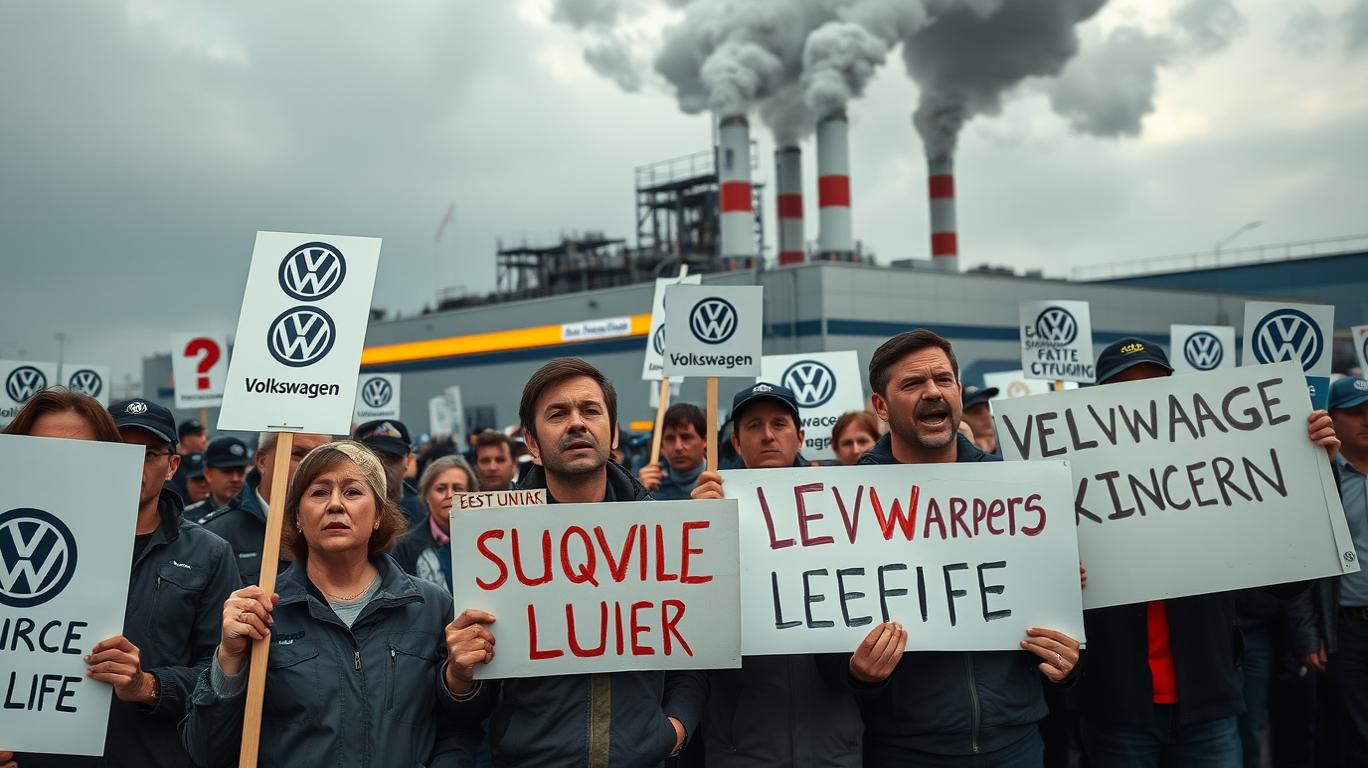
The warning strikes by Volkswagen workers across Germany may disrupt production, leading to potential delays and reduced output. This could have a cascading effect on sales, as customers may look elsewhere for their vehicle needs. Consequently, earnings may take a hit due to lower revenue and potential compensation for lost work hours. However, it is essential to monitor the situation as it unfolds, as the duration and extent of the strikes may vary.
The potential impact on Volkswagen's market share and competitive position in the face of a slow electric-vehicle market and fierce competition is also a concern. By rejecting union proposals, including forgoing bonuses and setting up a fund for potential wage increases, Volkswagen has escalated tensions with its workforce. The company's demand for a 10% wage cut and the threat of plant closures have further fueled worker discontent. As a result, Volkswagen's labor union has warned of a potential labor dispute, which could significantly impact the company's operations and market position. Given Volkswagen's 87-year history in Germany, the strike could pose a threat to its market share and competitive standing, particularly in the face of a sluggish EV market and strong competition from Chinese manufacturers.
To navigate these challenges, Volkswagen must engage in constructive negotiations with its workers and find a balance between cost-cutting measures and maintaining employee satisfaction and productivity. The company should consider a combination of transparent communication, voluntary wage freezes or reductions, job retraining and relocation, performance-based incentives, and a clear, long-term vision for the company. By implementing these strategies, Volkswagen can strive to maintain a productive workforce while also achieving the necessary cost-cutting to remain competitive in the global marketplace.

In conclusion, the upcoming warning strikes by Volkswagen workers across Germany highlight the need for the company to address labor concerns and find a balance between cost-cutting and employee satisfaction. By engaging in constructive negotiations and implementing strategic measures, Volkswagen can navigate the current labor dispute and broader industry challenges, ultimately ensuring its long-term success.
*Word count: 593*
Volkswagen, the German automotive giant, is facing a significant challenge as workers across the country prepare for warning strikes. The labor dispute, which marks the first large-scale walkouts since 2018, highlights the growing tension between the company's cost-cutting measures and employee concerns about job security. This article explores the potential impacts of the strike on Volkswagen's production, sales, market share, and financial outlook, as well as the implications for the company's relationship with its labor union and workforce.
The warning strikes by Volkswagen workers across Germany may disrupt production, leading to potential delays and reduced output. This could have a cascading effect on sales, as customers may look elsewhere for their vehicle needs. Consequently, earnings may take a hit due to lower revenue and potential compensation for lost work hours. However, it is essential to monitor the situation as it unfolds, as the duration and extent of the strikes may vary.
The potential impact on Volkswagen's market share and competitive position in the face of a slow electric-vehicle market and fierce competition is also a concern. By rejecting union proposals, including forgoing bonuses and setting up a fund for potential wage increases, Volkswagen has escalated tensions with its workforce. The company's demand for a 10% wage cut and the threat of plant closures have further fueled worker discontent. As a result, Volkswagen's labor union has warned of a potential labor dispute, which could significantly impact the company's operations and market position. Given Volkswagen's 87-year history in Germany, the strike could pose a threat to its market share and competitive standing, particularly in the face of a sluggish EV market and strong competition from Chinese manufacturers.
To navigate these challenges, Volkswagen must engage in constructive negotiations with its workers and find a balance between cost-cutting measures and maintaining employee satisfaction and productivity. The company should consider a combination of transparent communication, voluntary wage freezes or reductions, job retraining and relocation, performance-based incentives, and a clear, long-term vision for the company. By implementing these strategies, Volkswagen can strive to maintain a productive workforce while also achieving the necessary cost-cutting to remain competitive in the global marketplace.
In conclusion, the upcoming warning strikes by Volkswagen workers across Germany highlight the need for the company to address labor concerns and find a balance between cost-cutting and employee satisfaction. By engaging in constructive negotiations and implementing strategic measures, Volkswagen can navigate the current labor dispute and broader industry challenges, ultimately ensuring its long-term success.
*Word count: 593*

Divulgación editorial y transparencia de la IA: Ainvest News utiliza tecnología avanzada de Modelos de Lenguaje Largo (LLM) para sintetizar y analizar datos de mercado en tiempo real. Para garantizar los más altos estándares de integridad, cada artículo se somete a un riguroso proceso de verificación con participación humana.
Mientras la IA asiste en el procesamiento de datos y la redacción inicial, un miembro editorial profesional de Ainvest revisa, verifica y aprueba de forma independiente todo el contenido para garantizar su precisión y cumplimiento con los estándares editoriales de Ainvest Fintech Inc. Esta supervisión humana está diseñada para mitigar las alucinaciones de la IA y garantizar el contexto financiero.
Advertencia sobre inversiones: Este contenido se proporciona únicamente con fines informativos y no constituye asesoramiento profesional de inversión, legal o financiero. Los mercados conllevan riesgos inherentes. Se recomienda a los usuarios que realicen una investigación independiente o consulten a un asesor financiero certificado antes de tomar cualquier decisión. Ainvest Fintech Inc. se exime de toda responsabilidad por las acciones tomadas con base en esta información. ¿Encontró un error? Reportar un problema


SOBRE NOSOTROS
Nuestra historiaAutores de noticiasBase de conocimientosPolítica de privacidadTérmino de usoDescargo de responsabilidad de corretaje de tercerosTérminos de uso de AIMEDivulgaciones de riesgos de AInvest AICarrerasCONTÁCTENOS
Email: support@ainvest.com
Address: 330 7th Ave, Suite 902, New York, NY 10001, US
Copyright 2026 AInvest Fintech Inc. All rights reserved.


Comentarios
Aún no hay comentarios