
Volkswagen's 14% Wage Hike: A Strategic Move or Costly Mistake?
Generado por agente de IAWesley Park
miércoles, 11 de diciembre de 2024, 4:43 pm ET1 min de lectura
AAPL--
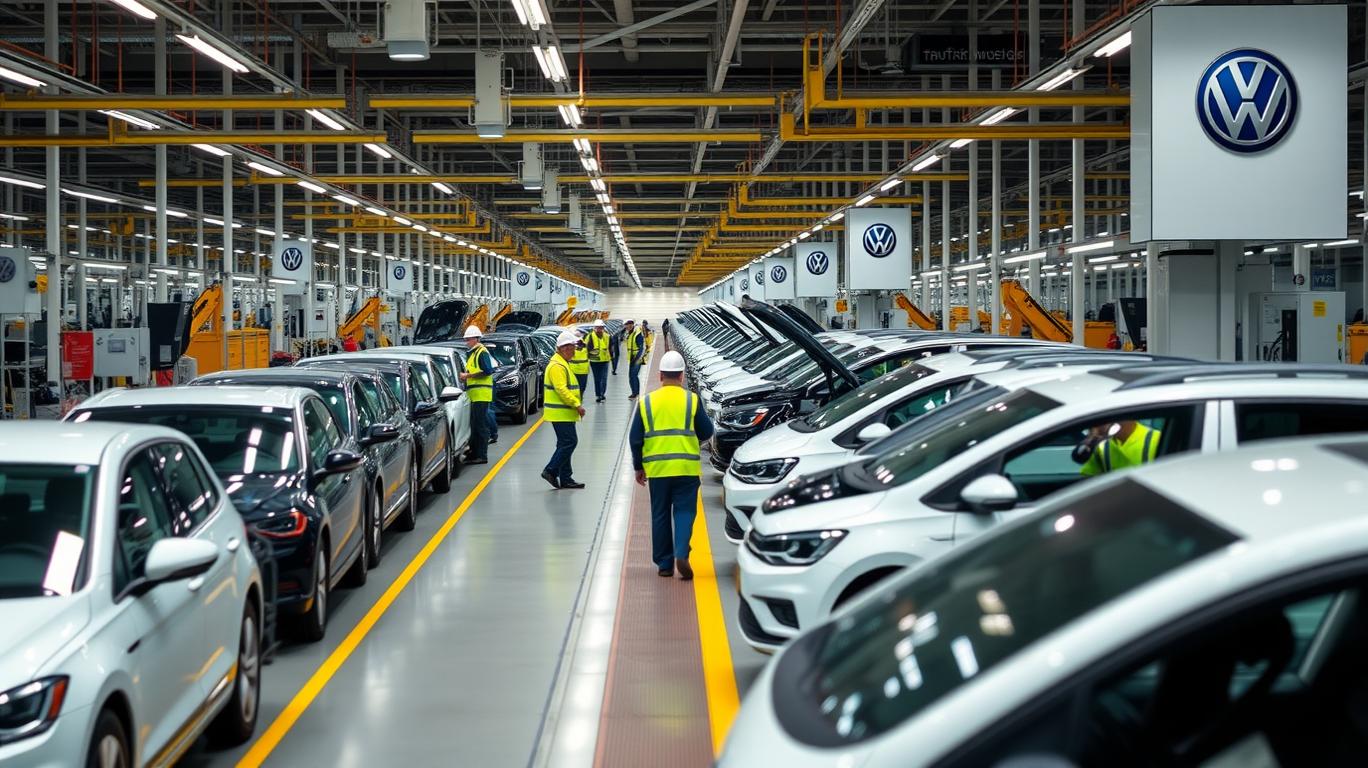
Volkswagen's recent offer of a 14% wage increase over four years to its Tennessee factory workers has sparked debate about the strategic implications of this move. As the company navigates a challenging global automotive market, this article explores the potential benefits and drawbacks of VW's wage hike, drawing on insights from the author's investment philosophy.

Current Market Observations
The global automotive market is facing headwinds, with rising interest rates and geopolitical tensions affecting semiconductor supply chains. In this environment, Volkswagen's wage increase may seem counterintuitive. However, the company's decision to invest in its workforce aligns with the author's preference for 'boring but lucrative' investments, focusing on stability and consistent growth.
Investment Strategy Insights
Volkswagen's wage hike signals a strategic move to boost employee satisfaction and productivity. By investing in its workforce, VW aims to attract and retain top talent, fostering a more innovative and productive work environment. This, in turn, can lead to improved product quality and efficiency, ultimately strengthening VW's market position. However, the long-term effects will depend on the company's ability to balance these increased labor costs with improved productivity and market demand.
The author's balanced portfolio approach, combining growth and value stocks, is particularly relevant in this context. While VW's wage increase may strain profit margins in the short term, the company's proven management and enduring business model suggest that it can adapt and manage these challenges effectively.
Concerns and Recommendations
While the wage increase may be a strategic move, Volkswagen must ensure that it is offset by improved efficiency and productivity. The company should monitor the impact of this wage hike on its competitive position relative to other automakers, both domestically and internationally. Additionally, VW should remain vigilant about external factors such as labor market dynamics, wage inflation, and geopolitical tensions affecting semiconductor supply chains.
The author remains confident in companies like Apple, Salesforce, and Amazon due to their proven management and ability to adapt. However, they remain cautious about Facebook, suggesting that it needs to take more decisive actions to maintain its status as a best-of-breed company.
In conclusion, Volkswagen's 14% wage hike over four years for its Tennessee factory workers is a strategic move that aligns with the author's investment philosophy. While the long-term effects remain to be seen, the company's proven management and enduring business model suggest that it can adapt and manage these challenges effectively. The author's balanced portfolio approach, combining growth and value stocks, is particularly relevant in this context, and investors should monitor the impact of this wage hike on VW's competitive position and overall financial performance.
AMZN--
CRM--
META--
Volkswagen's recent offer of a 14% wage increase over four years to its Tennessee factory workers has sparked debate about the strategic implications of this move. As the company navigates a challenging global automotive market, this article explores the potential benefits and drawbacks of VW's wage hike, drawing on insights from the author's investment philosophy.
Current Market Observations
The global automotive market is facing headwinds, with rising interest rates and geopolitical tensions affecting semiconductor supply chains. In this environment, Volkswagen's wage increase may seem counterintuitive. However, the company's decision to invest in its workforce aligns with the author's preference for 'boring but lucrative' investments, focusing on stability and consistent growth.
Investment Strategy Insights
Volkswagen's wage hike signals a strategic move to boost employee satisfaction and productivity. By investing in its workforce, VW aims to attract and retain top talent, fostering a more innovative and productive work environment. This, in turn, can lead to improved product quality and efficiency, ultimately strengthening VW's market position. However, the long-term effects will depend on the company's ability to balance these increased labor costs with improved productivity and market demand.
The author's balanced portfolio approach, combining growth and value stocks, is particularly relevant in this context. While VW's wage increase may strain profit margins in the short term, the company's proven management and enduring business model suggest that it can adapt and manage these challenges effectively.
Concerns and Recommendations
While the wage increase may be a strategic move, Volkswagen must ensure that it is offset by improved efficiency and productivity. The company should monitor the impact of this wage hike on its competitive position relative to other automakers, both domestically and internationally. Additionally, VW should remain vigilant about external factors such as labor market dynamics, wage inflation, and geopolitical tensions affecting semiconductor supply chains.
The author remains confident in companies like Apple, Salesforce, and Amazon due to their proven management and ability to adapt. However, they remain cautious about Facebook, suggesting that it needs to take more decisive actions to maintain its status as a best-of-breed company.
In conclusion, Volkswagen's 14% wage hike over four years for its Tennessee factory workers is a strategic move that aligns with the author's investment philosophy. While the long-term effects remain to be seen, the company's proven management and enduring business model suggest that it can adapt and manage these challenges effectively. The author's balanced portfolio approach, combining growth and value stocks, is particularly relevant in this context, and investors should monitor the impact of this wage hike on VW's competitive position and overall financial performance.

Divulgación editorial y transparencia de la IA: Ainvest News utiliza tecnología avanzada de Modelos de Lenguaje Largo (LLM) para sintetizar y analizar datos de mercado en tiempo real. Para garantizar los más altos estándares de integridad, cada artículo se somete a un riguroso proceso de verificación con participación humana.
Mientras la IA asiste en el procesamiento de datos y la redacción inicial, un miembro editorial profesional de Ainvest revisa, verifica y aprueba de forma independiente todo el contenido para garantizar su precisión y cumplimiento con los estándares editoriales de Ainvest Fintech Inc. Esta supervisión humana está diseñada para mitigar las alucinaciones de la IA y garantizar el contexto financiero.
Advertencia sobre inversiones: Este contenido se proporciona únicamente con fines informativos y no constituye asesoramiento profesional de inversión, legal o financiero. Los mercados conllevan riesgos inherentes. Se recomienda a los usuarios que realicen una investigación independiente o consulten a un asesor financiero certificado antes de tomar cualquier decisión. Ainvest Fintech Inc. se exime de toda responsabilidad por las acciones tomadas con base en esta información. ¿Encontró un error? Reportar un problema


SOBRE NOSOTROS
Nuestra historiaAutores de noticiasBase de conocimientosPolítica de privacidadTérmino de usoDescargo de responsabilidad de corretaje de tercerosTérminos de uso de AIMEDivulgaciones de riesgos de AInvest AICarrerasCONTÁCTENOS
Email: support@ainvest.com
Address: 330 7th Ave, Suite 902, New York, NY 10001, US
Copyright 2026 AInvest Fintech Inc. All rights reserved.


Comentarios
Aún no hay comentarios