
Volkswagen: Navigating Tariff Concerns and U.S. Partnerships
Generado por agente de IAWesley Park
martes, 21 de enero de 2025, 3:38 am ET1 min de lectura
JYNT--
As the global automotive landscape shifts towards electric vehicles (EVs), Volkswagen (VW) finds itself at a crossroads, balancing the potential impacts of tariffs and strategic partnerships in the U.S. market. In a recent statement, a VW spokesperson expressed the company's concern about the harmful economic impact of proposed tariffs by the U.S. administration, emphasizing the importance of open dialogue and collaboration with the new U.S. government.
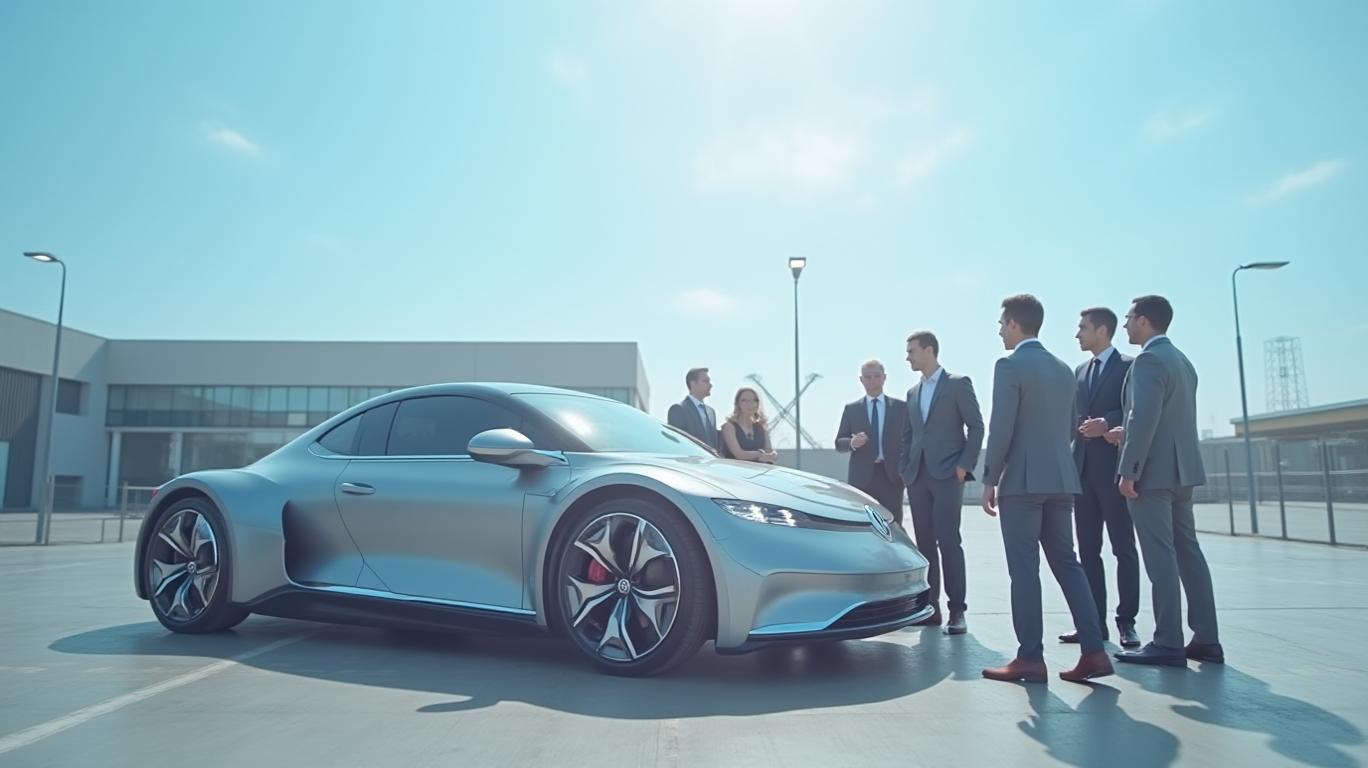
Volkswagen's investment in the U.S. market is substantial, with plans to invest $14 billion by 2023 to produce electric vehicles and create 10,000 jobs. The proposed tariffs could increase the cost of importing parts and vehicles, making it more difficult for Volkswagen to compete with domestic manufacturers. This could lead to a decrease in sales and market share for the company in the U.S. market.
Furthermore, the proposed tariffs could also impact Volkswagen's supply chain and production costs. The company sources many of its parts and components from international suppliers, and the increased costs associated with tariffs could lead to higher production costs and reduced profitability. This could ultimately impact the company's financial performance in the U.S. market.
In addition, the proposed tariffs could also have an impact on Volkswagen's plans to expand its charging infrastructure in the U.S. The company has invested in Electrify America, the largest public ultra-fast charging network for electric vehicles in North America. The increased costs associated with tariffs could make it more difficult for Volkswagen to expand this network and support the growth of the EV market in the U.S.
Volkswagen's partnership with Rivian and Electrify America is a significant part of its e-mobility strategy in North America. The joint venture with Rivian aims to develop next-generation electrical architecture and best-in-class software technology for both companies' future electric vehicles, covering all relevant vehicle segments, including subcompact cars. This partnership allows Volkswagen to leverage Rivian's industry-leading software and electrical hardware technology while benefiting from VW's significant global scale and industry-leading vehicle platform competencies.
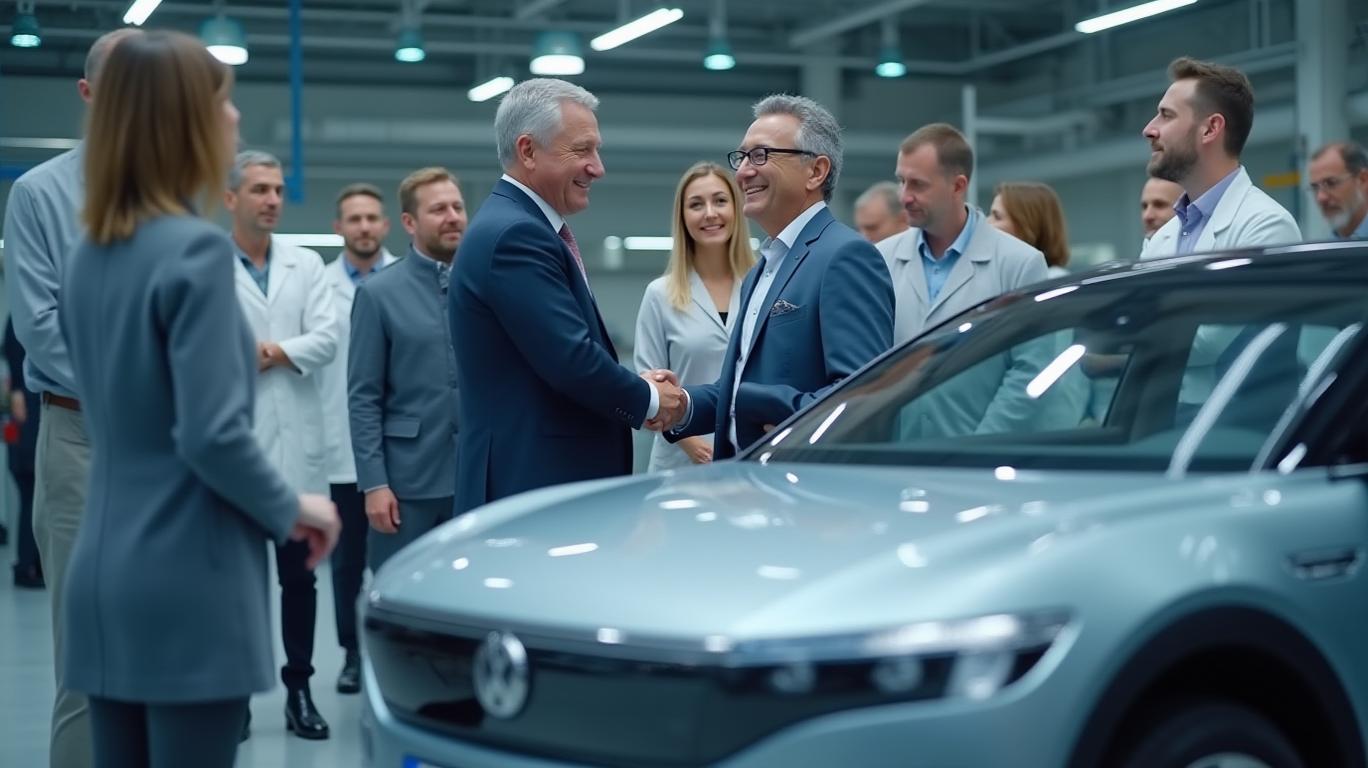
The partnership with Electrify America, along with Siemens, supports the expansion of the largest public ultra-fast charging network for electric vehicles in North America. This investment aligns with Volkswagen's NEW AUTO strategy to accelerate the comfort, quality, and expansion of the public charging infrastructure in the U.S. and Canada.
Volkswagen's strategic partnerships and investments in the U.S. market position the company to lead the global shift towards electric vehicles. However, the potential impacts of tariffs on the company's operations and financial performance in the U.S. market cannot be overlooked. By engaging in open dialogue with the U.S. administration and exploring strategic measures to mitigate the potential negative effects of tariffs, Volkswagen can help ensure the long-term success of its U.S. operations and maintain its competitive edge in the global EV market.
RIVN--
As the global automotive landscape shifts towards electric vehicles (EVs), Volkswagen (VW) finds itself at a crossroads, balancing the potential impacts of tariffs and strategic partnerships in the U.S. market. In a recent statement, a VW spokesperson expressed the company's concern about the harmful economic impact of proposed tariffs by the U.S. administration, emphasizing the importance of open dialogue and collaboration with the new U.S. government.
Volkswagen's investment in the U.S. market is substantial, with plans to invest $14 billion by 2023 to produce electric vehicles and create 10,000 jobs. The proposed tariffs could increase the cost of importing parts and vehicles, making it more difficult for Volkswagen to compete with domestic manufacturers. This could lead to a decrease in sales and market share for the company in the U.S. market.
Furthermore, the proposed tariffs could also impact Volkswagen's supply chain and production costs. The company sources many of its parts and components from international suppliers, and the increased costs associated with tariffs could lead to higher production costs and reduced profitability. This could ultimately impact the company's financial performance in the U.S. market.
In addition, the proposed tariffs could also have an impact on Volkswagen's plans to expand its charging infrastructure in the U.S. The company has invested in Electrify America, the largest public ultra-fast charging network for electric vehicles in North America. The increased costs associated with tariffs could make it more difficult for Volkswagen to expand this network and support the growth of the EV market in the U.S.
Volkswagen's partnership with Rivian and Electrify America is a significant part of its e-mobility strategy in North America. The joint venture with Rivian aims to develop next-generation electrical architecture and best-in-class software technology for both companies' future electric vehicles, covering all relevant vehicle segments, including subcompact cars. This partnership allows Volkswagen to leverage Rivian's industry-leading software and electrical hardware technology while benefiting from VW's significant global scale and industry-leading vehicle platform competencies.
The partnership with Electrify America, along with Siemens, supports the expansion of the largest public ultra-fast charging network for electric vehicles in North America. This investment aligns with Volkswagen's NEW AUTO strategy to accelerate the comfort, quality, and expansion of the public charging infrastructure in the U.S. and Canada.
Volkswagen's strategic partnerships and investments in the U.S. market position the company to lead the global shift towards electric vehicles. However, the potential impacts of tariffs on the company's operations and financial performance in the U.S. market cannot be overlooked. By engaging in open dialogue with the U.S. administration and exploring strategic measures to mitigate the potential negative effects of tariffs, Volkswagen can help ensure the long-term success of its U.S. operations and maintain its competitive edge in the global EV market.

Divulgación editorial y transparencia de la IA: Ainvest News utiliza tecnología avanzada de Modelos de Lenguaje Largo (LLM) para sintetizar y analizar datos de mercado en tiempo real. Para garantizar los más altos estándares de integridad, cada artículo se somete a un riguroso proceso de verificación con participación humana.
Mientras la IA asiste en el procesamiento de datos y la redacción inicial, un miembro editorial profesional de Ainvest revisa, verifica y aprueba de forma independiente todo el contenido para garantizar su precisión y cumplimiento con los estándares editoriales de Ainvest Fintech Inc. Esta supervisión humana está diseñada para mitigar las alucinaciones de la IA y garantizar el contexto financiero.
Advertencia sobre inversiones: Este contenido se proporciona únicamente con fines informativos y no constituye asesoramiento profesional de inversión, legal o financiero. Los mercados conllevan riesgos inherentes. Se recomienda a los usuarios que realicen una investigación independiente o consulten a un asesor financiero certificado antes de tomar cualquier decisión. Ainvest Fintech Inc. se exime de toda responsabilidad por las acciones tomadas con base en esta información. ¿Encontró un error? Reportar un problema




Comentarios
Aún no hay comentarios