
Volkswagen's Cost-Cutting Measures: Plant Closures and Pay Cuts in the Spotlight
Generado por agente de IAWesley Park
miércoles, 18 de diciembre de 2024, 10:42 pm ET2 min de lectura
INTC--
Volkswagen, the world's largest automaker, is grappling with mounting financial pressures that have led to discussions about plant closures and pay cuts. The company's shares have lost nearly a third of their value over the past five years, making it the worst performer among major European carmakers. Mounting price pressure from Chinese electric vehicle (EV) manufacturers and the falling competitiveness of the German economy have exacerbated the situation. Volkswagen's cost-cutting drive targets €10 billion ($11 billion) in savings by 2026, with the company seeking to reduce labor costs to a competitive level relative to the industry benchmark.
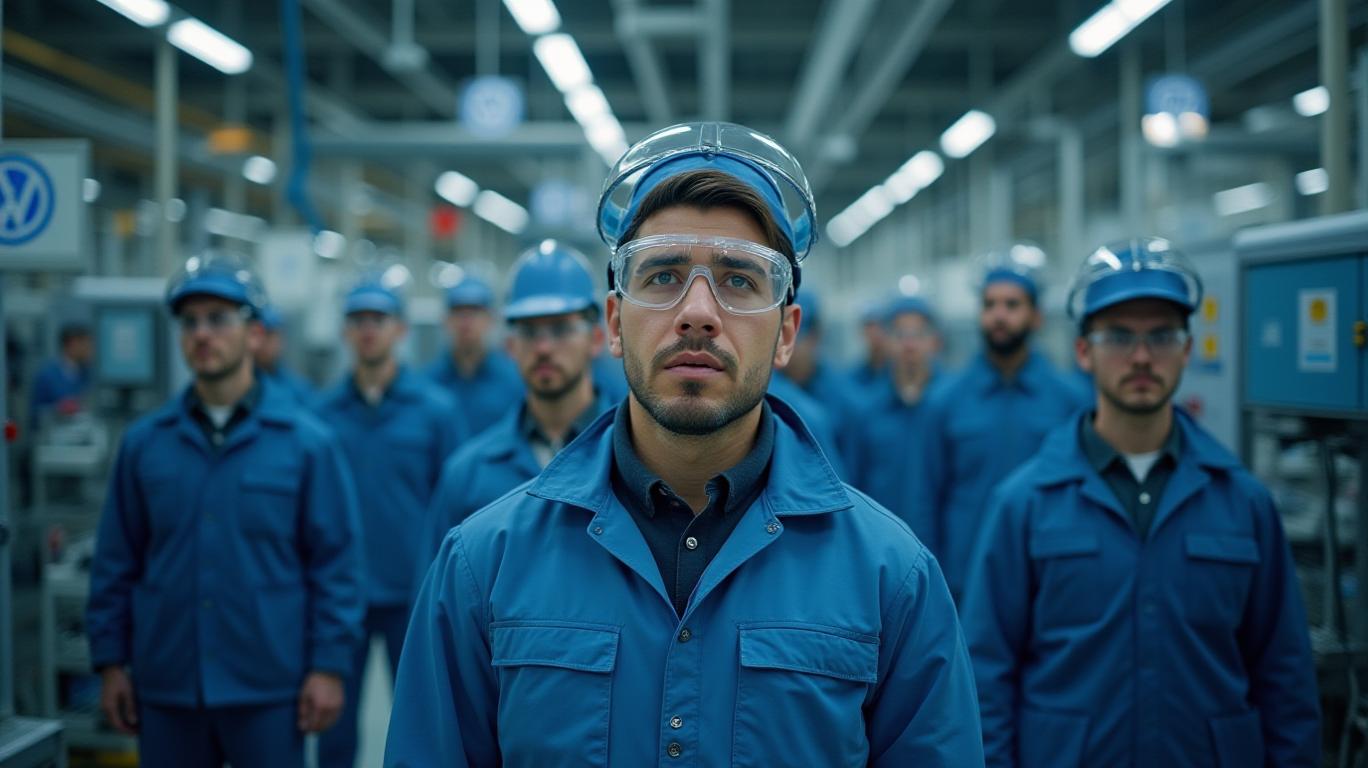
The ongoing negotiations with unions aim to achieve a 10% pay cut for employees subject to collective agreements, along with restructuring the bonus system and eliminating anniversary bonuses. Labor market dynamics and wage inflation are significant factors in Volkswagen's cost-cutting measures. The company believes that reducing pay will give it the means to make future investments and remain competitive. However, unions have threatened strikes if management rejects their proposals, including forgoing bonuses for two years and creating a fund to finance a temporary reduction in working hours.
Geopolitical tensions and semiconductor supply chain disruptions have also impacted Volkswagen's production and cost structures. The company's reliance on semiconductors, which are crucial for modern vehicle production, has been severely affected by global supply chain issues exacerbated by geopolitical tensions. This has led to production cuts and increased costs, as seen in the first half of 2024 when Volkswagen's operating profit tumbled 11.4% to €10.1 billion ($11.2 billion). To mitigate these challenges, Volkswagen has been exploring strategic partnerships and acquisitions, such as its collaboration with chipmaker Intel, to secure a stable supply of semiconductors.
Volkswagen's proposed plant closures and pay cuts are part of a broader strategy to regain competitiveness and secure future investments. The company aims to reduce labor costs by 10% and eliminate top-up payments, while restructuring its bonus system and hiring practices. These measures, along with the closure of at least three German plants, will help Volkswagen lower its production costs and improve its profit margins. By doing so, the company can invest in research and development, new technologies, and electric vehicle production, ensuring its long-term success in a rapidly evolving automotive market.
However, Volkswagen's proposed measures could significantly impact its long-term employment strategy and workforce morale. The company aims to reduce labor costs by 10% and eliminate top-up payments, which could lead to job losses and reduced employee compensation. This may result in a less stable workforce, potentially affecting productivity and innovation. Moreover, the threat of plant closures and job cuts could erode employee morale, leading to increased turnover and decreased job satisfaction.
Volkswagen's proposed cost-cutting measures raise concerns about their alignment with sustainability and environmental responsibility. The company, which has pledged to become carbon-neutral by 2050, may face criticism for prioritizing short-term financial gains over long-term environmental goals. However, Volkswagen has argued that these measures are necessary to ensure the company's survival and maintain its competitiveness in the face of rising competition from Chinese EV makers. The company has also stated that it is committed to investing in electric vehicle technology and reducing its carbon footprint.
In conclusion, Volkswagen's financial performance and market pressures are driving its consideration of plant closures and pay cuts. The company's cost-cutting measures aim to reduce labor costs and improve profit margins, enabling it to invest in research and development and electric vehicle production. However, these measures may have significant implications for the company's long-term employment strategy and workforce morale. As Volkswagen navigates these challenges, it must balance the need for cost-cutting with its commitment to sustainability and environmental responsibility.
TETEU--
Volkswagen, the world's largest automaker, is grappling with mounting financial pressures that have led to discussions about plant closures and pay cuts. The company's shares have lost nearly a third of their value over the past five years, making it the worst performer among major European carmakers. Mounting price pressure from Chinese electric vehicle (EV) manufacturers and the falling competitiveness of the German economy have exacerbated the situation. Volkswagen's cost-cutting drive targets €10 billion ($11 billion) in savings by 2026, with the company seeking to reduce labor costs to a competitive level relative to the industry benchmark.
The ongoing negotiations with unions aim to achieve a 10% pay cut for employees subject to collective agreements, along with restructuring the bonus system and eliminating anniversary bonuses. Labor market dynamics and wage inflation are significant factors in Volkswagen's cost-cutting measures. The company believes that reducing pay will give it the means to make future investments and remain competitive. However, unions have threatened strikes if management rejects their proposals, including forgoing bonuses for two years and creating a fund to finance a temporary reduction in working hours.
Geopolitical tensions and semiconductor supply chain disruptions have also impacted Volkswagen's production and cost structures. The company's reliance on semiconductors, which are crucial for modern vehicle production, has been severely affected by global supply chain issues exacerbated by geopolitical tensions. This has led to production cuts and increased costs, as seen in the first half of 2024 when Volkswagen's operating profit tumbled 11.4% to €10.1 billion ($11.2 billion). To mitigate these challenges, Volkswagen has been exploring strategic partnerships and acquisitions, such as its collaboration with chipmaker Intel, to secure a stable supply of semiconductors.
Volkswagen's proposed plant closures and pay cuts are part of a broader strategy to regain competitiveness and secure future investments. The company aims to reduce labor costs by 10% and eliminate top-up payments, while restructuring its bonus system and hiring practices. These measures, along with the closure of at least three German plants, will help Volkswagen lower its production costs and improve its profit margins. By doing so, the company can invest in research and development, new technologies, and electric vehicle production, ensuring its long-term success in a rapidly evolving automotive market.
However, Volkswagen's proposed measures could significantly impact its long-term employment strategy and workforce morale. The company aims to reduce labor costs by 10% and eliminate top-up payments, which could lead to job losses and reduced employee compensation. This may result in a less stable workforce, potentially affecting productivity and innovation. Moreover, the threat of plant closures and job cuts could erode employee morale, leading to increased turnover and decreased job satisfaction.
Volkswagen's proposed cost-cutting measures raise concerns about their alignment with sustainability and environmental responsibility. The company, which has pledged to become carbon-neutral by 2050, may face criticism for prioritizing short-term financial gains over long-term environmental goals. However, Volkswagen has argued that these measures are necessary to ensure the company's survival and maintain its competitiveness in the face of rising competition from Chinese EV makers. The company has also stated that it is committed to investing in electric vehicle technology and reducing its carbon footprint.
In conclusion, Volkswagen's financial performance and market pressures are driving its consideration of plant closures and pay cuts. The company's cost-cutting measures aim to reduce labor costs and improve profit margins, enabling it to invest in research and development and electric vehicle production. However, these measures may have significant implications for the company's long-term employment strategy and workforce morale. As Volkswagen navigates these challenges, it must balance the need for cost-cutting with its commitment to sustainability and environmental responsibility.

Divulgación editorial y transparencia de la IA: Ainvest News utiliza tecnología avanzada de Modelos de Lenguaje Largo (LLM) para sintetizar y analizar datos de mercado en tiempo real. Para garantizar los más altos estándares de integridad, cada artículo se somete a un riguroso proceso de verificación con participación humana.
Mientras la IA asiste en el procesamiento de datos y la redacción inicial, un miembro editorial profesional de Ainvest revisa, verifica y aprueba de forma independiente todo el contenido para garantizar su precisión y cumplimiento con los estándares editoriales de Ainvest Fintech Inc. Esta supervisión humana está diseñada para mitigar las alucinaciones de la IA y garantizar el contexto financiero.
Advertencia sobre inversiones: Este contenido se proporciona únicamente con fines informativos y no constituye asesoramiento profesional de inversión, legal o financiero. Los mercados conllevan riesgos inherentes. Se recomienda a los usuarios que realicen una investigación independiente o consulten a un asesor financiero certificado antes de tomar cualquier decisión. Ainvest Fintech Inc. se exime de toda responsabilidad por las acciones tomadas con base en esta información. ¿Encontró un error? Reportar un problema


SOBRE NOSOTROS
Nuestra historiaAutores de noticiasBase de conocimientosPolítica de privacidadTérmino de usoDescargo de responsabilidad de corretaje de tercerosTérminos de uso de AIMEDivulgaciones de riesgos de AInvest AICarrerasCONTÁCTENOS
Email: support@ainvest.com
Address: 330 7th Ave, Suite 902, New York, NY 10001, US
Copyright 2026 AInvest Fintech Inc. All rights reserved.


Comentarios
Aún no hay comentarios