
Volatility in Tech and Crypto-Related Stocks: What's Behind the Sell-Off and What's Next?
The investment landscape in late 2025 has been marked by a dramatic shift in sector rotation and investor sentiment, with technology and crypto-related stocks facing significant headwinds. As macroeconomic uncertainties and evolving regulatory frameworks reshape market dynamics, understanding the drivers behind this volatility-and what lies ahead-requires a nuanced analysis of both structural and behavioral factors.
Sector Rotation: A Flight to Stability
The most striking trend in late 2025 has been the rotation away from growth-oriented technology stocks toward value and small-cap equities. Tech-heavy indices like the Nasdaq have underperformed relative to the S&P 500 and Russell 2000, as investors increasingly prioritize sectors with tangible earnings and lower volatility, such as healthcare and financials according to Investopedia. This shift reflects growing skepticism about the long-term profitability of AI-driven tech firms, which have yet to deliver consistent returns on their massive capital expenditures. According to a report, the Federal Reserve's rate cuts have further amplified this trend by reducing borrowing costs, benefiting small-cap and financial stocks that thrive in lower-interest-rate environments.
Macroeconomic Pressures and Policy Uncertainty
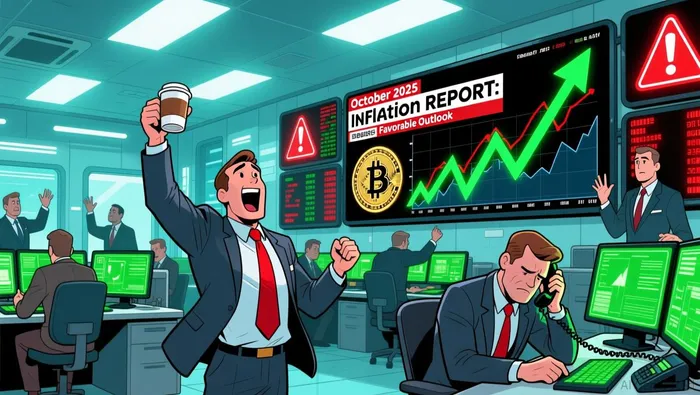
The Federal Reserve's monetary policy remains a pivotal factor. While rate cuts have provided a tailwind for value stocks, they have also introduced volatility in crypto markets. For instance, BitcoinBTC-- experienced an 86.76% price surge in a seven-day period following a favorable inflation report in October 2025, underscoring the asset class's sensitivity to macroeconomic data. However, fears of a U.S. recession and mixed signals from jobless claims have created a tug-of-war in investor sentiment, with some capital flowing into high-yield bond funds and physical gold as a hedge according to EPFR.
Regulatory developments have added another layer of complexity. The proposed repeal of SAB 121 and the introduction of SAB 122 have brought clarity to crypto accounting and custody standards, potentially stabilizing the sector in the long term. Yet, the immediate impact has been mixed, as investors weigh the benefits of regulatory clarity against ongoing macroeconomic risks.
Investor Sentiment: A De-Risking Trend
 Investor behavior in late 2025 reveals a pronounced de-risking trend. U.S. spot Bitcoin ETFs recorded a three-day outflow streak in November, signaling caution amid Bitcoin's failure to break key resistance levels. The 30-day RSI for Bitcoin dropped to 32-a level not seen since 2022- highlighting bearish momentum. Similarly, technology sector funds absorbed $6 billion in inflows during the same period, but this was offset by outflows from crypto and consumer goods funds, reflecting a fragmented risk appetite.
On-chain data further underscores the fragility of the crypto market. Blockchain revenues and decentralized exchange (DEX) volumes plummeted in November, while stablecoin supply retreated from October's peak. Institutional participation, though present, has been muted, suggesting a cautious stance amid thin liquidity and limited upside catalysts.
What's Next? Navigating the Crossroads
In the short term, volatility is likely to persist. However, for investors with a longer time horizon, the current selloff may present opportunities in undervalued tech and crypto assets-provided they can weather the near-term turbulence.






Comentarios
Aún no hay comentarios