
Vitalik Buterin's Meme Coin Sales and Their Impact on Market Sentiment
A Historical Precedent: The Shiba InuSHIB-- Effect
Buterin's influence on memecoin markets is not a new phenomenon. In 2021, his decision to sell $1 billion worth of Shiba Inu (SHIB) tokens-a gift from an airdrop-triggered a 44% price drop within 24 hours, as reported by CoinoTag. This event highlighted the fragility of memecoin valuations, which often rely on social media hype and celebrity endorsements rather than intrinsic utility. Analysts note, according to CoinMarketCap, that Buterin's actions act as a "reality check" for speculative traders, who interpret his sales as signals of a token's lack of long-term value. The resulting sell-offs or reduced buying enthusiasm can exacerbate market downturns, particularly in a bearish environment where broader crypto sentiment is already under pressure, according to FinanceFeeds.
The Mechanics of Speculative Hype
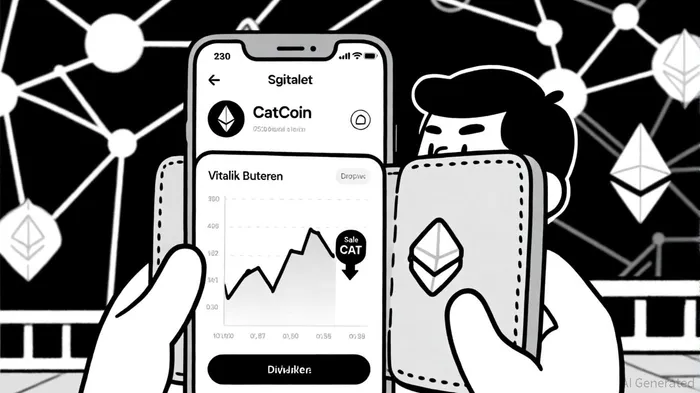
The memecoin ecosystem thrives on viral attention and community-driven narratives. Tokens like CatCoin, SPURDO, and MARVIN, as covered by Yahoo Finance,-often themed around internet memes or pop culture-gain traction through social media campaigns, creating a self-reinforcing cycle of FOMO and herd behavior. Buterin's sales, however, disrupt this cycle. When he liquidates a token, it often sparks panic among retail investors, who fear that his disinterest signals a lack of institutional or technical merit in the asset. This dynamic is compounded by the lack of regulatory oversight in the memecoin space, where price movements are driven more by sentiment than fundamentals, according to CryptoRank.
Strategic Shifts and Market Implications
Buterin's actions also reflect a broader strategic shift in the Ethereum ecosystem. As the network prepares for upgrades like the Fusaka hard fork-aimed at improving data efficiency and transaction costs, according to FinanceFeeds-he has increasingly distanced himself from speculative assets. His endorsement of ZKsync's Atlas upgrade, which enhances Ethereum's scalability and liquidity, further signals a focus on infrastructure over short-term gains. This shift may influence investor behavior, steering capital toward Ethereum-centric projects and away from memecoins. However, the speculative nature of the memecoin market persists, with traders often doubling down on tokens despite Buterin's interventions (as noted by Yahoo Finance).
Risks for Investors and the Broader Ecosystem
For investors, the risks of memecoin speculation are clear. The absence of regulatory safeguards, combined with the outsized influence of figures like Buterin, creates an environment where prices can swing wildly based on arbitrary events. A 2025 analysis by BTCC notes that large-scale disposals by key figures typically indicate strategic reassessments or shifts in confidence levels, which can intensify downward pressure on prices. Moreover, the reliance on social media trends makes memecoins vulnerable to sudden shifts in public attention, leaving retail investors exposed to significant losses (as covered by Yahoo Finance).
Conclusion: A Call for Caution
While Vitalik Buterin's memecoin sales are framed as acts of philanthropy and pragmatism, their secondary effects on market sentiment cannot be ignored. By consistently offloading speculative assets, he inadvertently reinforces the perception that memecoins lack long-term value-a perception that can trigger cascading sell-offs and amplify market volatility. For investors, the lesson is clear: the memecoin ecosystem remains a high-risk, high-reward arena where sentiment and external signals-like Buterin's transactions-can override fundamentals. As Ethereum evolves toward a more scalable and sustainable infrastructure, the broader crypto market may eventually shift its focus from viral hype to value-driven innovation. Until then, the risks of speculative trading in the memecoin space will continue to loom large.






Comentarios
Aún no hay comentarios