
Vistra's Strategic Position in the AI-Driven Energy Transition: A Powerhouse for Decarbonization and AI Growth
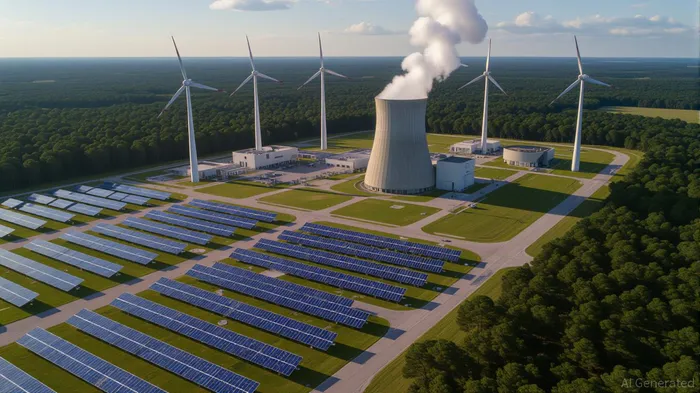
The energy sector is undergoing a seismic shift, driven by two megatrends: the exponential growth of artificial intelligence (AI) and the global push for decarbonization. As AI data centers consume an estimated 1% of global electricity today and are projected to surge further, companies that can deliver reliable, low-emission power at scale are poised to dominate. Vistra Corp.VST-- (NYSE: VST) stands at the intersection of these forces, leveraging its diversified energy portfolio, strategic acquisitions, and regulatory tailwinds to position itself as a key beneficiary of the AI-driven power surge.
The AI Energy Imperative: A Structural Tailwind for Vistra
AI's insatiable demand for energy is reshaping the power landscape. Data centers, which already account for 2% of U.S. electricity use, require not only massive amounts of power but also stable, high-quality energy to avoid outages. This creates a unique opportunity for energy providers like VistraVST--, which operates a mix of nuclear, solar, wind, and natural gas assets. Nuclear energy, in particular, is a critical enabler of AI growth due to its ability to provide 24/7 baseload power with near-zero emissions.
Vistra's Comanche Peak nuclear plant, recently approved to operate through 2053, is a linchpin in this strategy. The plant's long-term viability, combined with Texas SB6—a 2025 regulatory reform that streamlined power purchase agreement (PPA) processes for data centers—has sparked investor optimism. Analysts now anticipate a Comanche Peak PPA announcement, which could lock in long-term revenue streams and enhance Vistra's profitability. JefferiesJEF-- analyst Julien Dumoulin-Smith underscored this potential in a recent upgrade, raising VST's price target from $145 to $241, a 66% increase, while maintaining a “Buy” rating.
Diversification and Strategic Acquisitions: Balancing the Energy Mix
Vistra's strength lies in its ability to balance traditional and renewable energy sources. Its recent acquisition of Lotus Infrastructure's gas generation assets, expected to close in late 2025 or early 2026, exemplifies this approach. Natural gas serves as a flexible complement to renewables and nuclear, ensuring grid stability during periods of low solar or wind output. This dual-fuel strategy positions Vistra to meet AI's demand for uninterrupted power while aligning with decarbonization goals.
The company's solar and storage segments further reinforce its competitive edge. With solar energy costs declining and energy storage technology advancing, Vistra is well-positioned to capitalize on the renewable transition. Its 2025 guidance, reaffirmed despite missing Q2 earnings and revenue targets, reflects confidence in these growth drivers. While short-term results may fluctuate, the long-term trajectory is clear: Vistra's diversified portfolio insulates it from commodity volatility while enabling it to scale with AI's energy needs.
Regulatory Tailwinds and Analyst Consensus: A Strong Foundation
The passage of Texas SB6 in June 2025 has been a game-changer for Vistra. By simplifying PPA approvals for data centers, the legislation accelerates the deployment of AI infrastructure in Texas, a hub for tech innovation. This regulatory clarity has spurred analyst upgrades across the board. BMO Capital raised its price target to $229, UBSUBS-- to $230, and Morgan StanleyMS-- to $186, with a median price target of $208.50 and a consensus “Strong Buy” rating from 14 of 15 analysts.
Jefferies' $241 price target implies a 17.3% upside from VST's current price of $202.35, reflecting confidence in the company's ability to monetize its nuclear assets and expand its renewable footprint. Meanwhile, Raymond James highlighted Vistra's share repurchase program—nearly one-third of shares bought back since 2021—as a catalyst for shareholder value. These factors, combined with Vistra's strong free cash flow generation, create a compelling case for long-term investors.
Risks and Valuation Considerations
While Vistra's fundamentals are robust, investors should remain mindful of risks. The stock is trading near its 52-week high of $216.85, with some analysts suggesting it may be slightly overvalued based on fair value estimates. Regulatory changes, economic uncertainty, and operational challenges in the energy sector could also impact earnings. However, Vistra's strategic initiatives—such as the Lotus acquisition and Comanche Peak developments—provide a buffer against these risks.
Investment Thesis: A Buy for the Long-Term
Vistra's alignment with AI-driven energy demand and decarbonization makes it a standout in the energy sector. The company's diversified portfolio, regulatory tailwinds, and strategic acquisitions create a durable competitive advantage. With Jefferies' $241 price target and a median analyst target of $208.50, the stock offers a compelling risk-reward profile for investors with a multi-year horizon.
For those seeking exposure to the energy transition and AI growth, VSTVST-- represents a rare combination of immediate operational resilience and long-term strategic potential. As the world races to power AI while cutting emissions, Vistra is not just keeping pace—it's leading the charge.





Comentarios
Aún no hay comentarios