
Vistra Corp's Nuclear PPA: A Strategic Pillar in Energy Transition and Grid Stability
Vistra Corp's Nuclear PPA: A Strategic Pillar in Energy Transition and Grid Stability
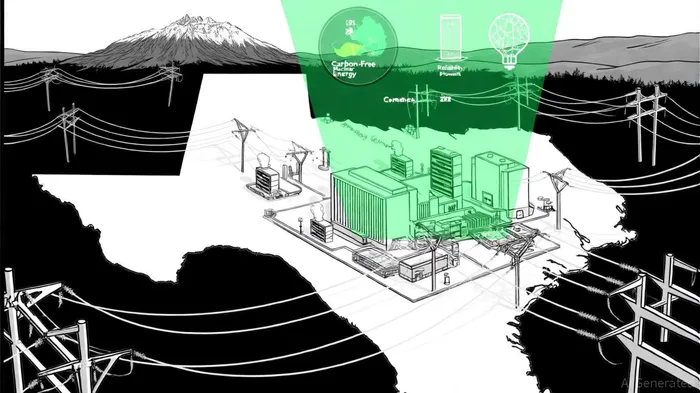
Vistra Corp. (VST) has secured a landmark 20-year PPA to supply 1,200 megawatts (MW) of carbon-free electricity from its Comanche Peak Nuclear Power Plant in Texas to an unnamed, large, investment-grade customer. This deal, set to begin deliveries in late 2027 and reach full capacity by 2032, represents a pivotal step in Vistra's energy transition strategy and underscores the growing role of nuclear power in ensuring grid stability amid decarbonization efforts, according to an Investing.com report.
Strategic Implications for Energy Transition
Vistra's nuclear assets are now central to its long-term vision. The company's 2023 acquisition of Energy Harbor added six nuclear units with 6,448 MW of capacity, accounting for 16% of its total production, according to a Nasdaq article. These facilities operate at high capacity factors, providing reliable, low-cost, and carbon-free power-a critical advantage as the energy sector shifts away from fossil fuels. The Comanche Peak PPA, with its potential for a 20-year extension, locks in long-term revenue stability for Vistra's nuclear fleet while aligning with its 2023 Sustainability Report, which targets net-zero emissions by 2050.
The agreement also reflects a broader industry trend: the rise of long-term PPAs with high-demand sectors like data centers and artificial intelligence (AI). As these industries require consistent, clean energy to power their operations, Vistra's nuclear plants offer a solution that complements intermittent renewables, as noted in a Monexa analysis. Panabee projected an 8–10% accretion to Vistra's Adjusted Free Cash Flow before Growth, assuming full capacity utilization-an illustration of the financial upside that reinforces the strategic value of nuclear energy in Vistra's portfolio.
Grid Stability in a Decarbonizing World
Grid reliability remains a critical challenge as renewable energy sources like wind and solar expand. Nuclear power, with its ability to provide baseload generation, fills this gap. Vistra's nuclear facilities, including Comanche Peak, operate under extended licenses (e.g., Comanche Peak's license runs until 2053, per a Public Power article), ensuring decades of stable output. This reliability is increasingly valuable in Texas, where electricity demand is projected to reach 152 gigawatts by 2030, driven by AI, data centers, and industrial manufacturing, according to a Spartnerships article.
The Texas Advanced Nuclear Energy Office (ANEO), established by House Bill 14 in 2025, further bolsters this trend. With $350 million in state funding allocated to support next-generation nuclear projects, Texas is positioning itself as a national leader in nuclear innovation. Vistra's partnership with companies like Kairos Power and Aalo Atomics at the RELLIS Campus exemplifies this forward-looking approach, combining traditional nuclear assets with advanced reactor technologies (Spartnerships also documents these developments).
Texas as a Nuclear Innovation Hub
Texas's pro-nuclear policies and infrastructure investments create a favorable environment for Vistra's growth. The state's collaboration with neighboring regions (Utah, Idaho, Wyoming) to enhance energy policies and innovation also expands Vistra's potential market reach. Meanwhile, the Texas Nuclear Alliance's October 2025 summit in Austin-focusing on scaling nuclear power for AI and data centers-highlights the state's commitment to leveraging nuclear energy for economic and environmental goals (coverage available in the same Spartnerships article).
For investors, this ecosystem of policy support, technological advancement, and growing demand positions VistraVST-- to capitalize on multiple tailwinds. The Comanche Peak PPA, in particular, demonstrates the company's ability to secure high-margin, long-term contracts in a sector where grid stability and decarbonization are increasingly intertwined (the Panabee article outlines the expected cash-flow accretion).
Conclusion
Vistra's nuclear PPA is more than a financial transaction-it is a strategic move that aligns with the company's energy transition goals and the evolving needs of the grid. By leveraging its nuclear assets for reliable, zero-carbon power, Vistra is not only strengthening its own financial resilience but also contributing to a broader energy system that balances sustainability with reliability. As Texas leads the nuclear renaissance, Vistra's position as a key player in this space offers compelling long-term value for investors.





Comentarios
Aún no hay comentarios