
Vietnam's Oil Shock: Flow Numbers That Move the VND and Inflation
The immediate monetary flow is clear: a dramatic spike in oil prices is driving exchange rate and inflation pressures. Brent crude is now trading at $99.84 per barrel, a surge of 46.99% over the last month. This isn't a minor fluctuation; it's a fundamental shift in the cost of a critical import.
The transmission mechanism is direct and costly. For Vietnam, which imports 85% of its crude oil from the Middle East, higher oil prices mean higher costs for fuel and industrial feedstocks. This creates a powerful cost-push force on production, directly threatening the country's inflation target. The National Statistics Office has noted that higher international logistics and transport costs could keep driving up production expenses.
Oil is the dominant component of that equation.
The key trigger level for the currency is now in sight. According to MUFG's model, if Brent prices remain near $100 per barrel, the USD/VND exchange rate could rise to 27,000. This represents a significant depreciation from current levels and would further amplify imported inflation by making all dollar-denominated imports more expensive. The setup is a classic feedback loop: higher oil → higher import costs → currency depreciation → more inflation.
The Flow Through the Economy: From Oil to GDP
The monetary shock is now hitting the real economy. With the USD/VND at risk of reaching 27,000, the cost of imported oil and other dollar-denominated inputs for Vietnamese manufacturers is rising sharply. This directly squeezes profit margins, as higher exchange rates amplify the price of every barrel of crude and every piece of imported machinery. The trade balance is under immediate pressure, with Vietnam's energy trade deficit of more than $16 billion widening further, draining foreign exchange reserves and weakening the currency's foundation.
This cost push threatens the ambitious growth trajectory. The baseline scenario projects that every additional $10 increase in oil prices could reduce GDP growth by about 20-30 basis points. For a target of 10%, that's a meaningful headwind. Combined with elevated logistics costs, this could derail the sharp rise in aggregate demand needed to hit the target. The National Statistics Office notes that higher international logistics and transport costs could keep driving up production expenses, creating a sustained inflationary drag on manufacturing and exports.
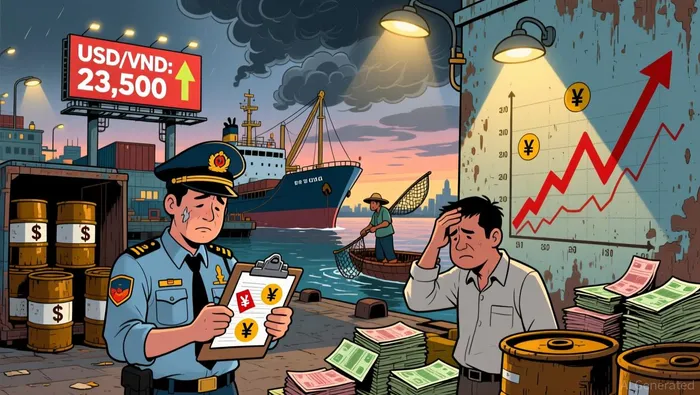
The central bank now faces a classic policy dilemma. Defending the currency with higher interest rates would slow domestic demand and growth, directly undermining the 10% target. Letting it fall further would fuel imported inflation, pushing prices higher and potentially derailing the CPI target of around 4.5%. As the Banking Research Institute warns, the State Bank of Vietnam must balance exchange rate stability, inflation control, and growth support. In the current baseline, a rate hike is seen as unlikely, with officials favoring liquidity management and foreign exchange interventions to "wait and see." Yet if the oil shock persists, that wait may become untenable.
Catalysts and Risks: The Middle East Conflict and Policy Response
The primary catalyst is the duration and escalation of the Iran/Middle East conflict. This is already pushing oil prices higher, with Brent crude trading at ~$97.73 and spiking on threats to energy infrastructure. The key variable is whether this leads to a prolonged closure of the Strait of Hormuz, which would create a direct energy shortage for Vietnam. Given that 85% of Vietnam's crude oil imports come from the Middle East, a sustained crisis would force domestic fuel prices sharply higher and pressure regional refineries, amplifying the cost-push shock.
Policy response is critical to managing the shock. The government must act proactively to keep inflation expectations anchored, as advised by the National Statistics Office. With the CPI target set at around 4.5%, officials need to balance supply and demand while preventing imported inflation from derailing the 3.5% average forecast. This involves managing domestic fuel prices and ensuring supply chain stability to break the feedback loop between currency depreciation and higher import costs.
The left-tail risk scenario is severe. If oil prices remain at $120 per barrel due to a prolonged conflict and energy shortages, the USD/VND could reach 27,700 or higher. This would trigger a major currency devaluation, crush manufacturing margins, and likely force a growth slowdown. The indirect impact on global growth and regional supply chains would compound the damage, making this a high-cost, low-probability event that policymakers must prepare for.





Comentarios
Aún no hay comentarios