
Verizon's $11 Billion Senior Notes Offering: Strategic Funding for Frontier Acquisition and 5G Expansion
Capital Structure and Bond Terms
The offering includes a 40-year tranche priced at 1.3–1.6 percentage points above U.S. Treasuries, a spread that underscores investor confidence in Verizon's creditworthiness despite its ballooning debt load. As of Q3 2025, Verizon's total debt stood at $146.8 billion, yet Fitch maintained its A- rating, citing the company's stable cash flows and strategic investments in infrastructure, according to a Yahoo Finance report. The bond proceeds will cover $9.6 billion in cash payments for Frontier, refinance $10 billion of the target's existing debt, and fund integration costs, according to a Broadband Breakfast report.
A notable detail is the redemption of the 1.450% Notes due March 2026 on December 16, 2025, at a price tied to Treasury rates, according to a Verizon news release. This maneuver highlights Verizon's proactive approach to managing short-term liabilities while locking in long-term financing. The company also issued €2.25 billion and £1 billion in junior subordinated notes due 2056, with fixed rates of 3.9962% and 5.7420%, respectively, according to a Investing.com filing. These longer-dated instruments provide flexibility for capital-intensive projects, including 5G and fiber network upgrades.
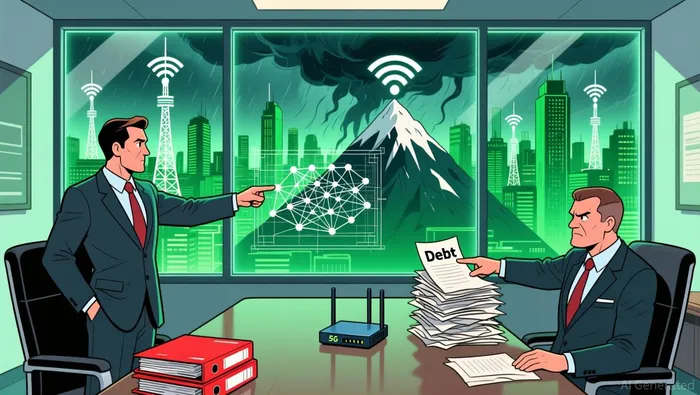
Strategic Implications: Growth vs. Debt
The Frontier acquisition is a cornerstone of Verizon's strategy to dominate the broadband and 5G markets. By expanding its fiber network to 25 million premises and adding 2.2 million fiber subscribers, VerizonVZ-- aims to challenge AT&T and T-Mobile in the race for digital infrastructure, according to a Verizon news release. The deal also includes a commitment to build 2.8 million additional fiber locations by 2026, a move that aligns with the Federal Communications Commission's broadband expansion goals, according to the same release.
However, the $11 billion in new debt-on top of existing obligations-raises concerns about leverage. While Verizon's EBITDA and free cash flow remain robust, the company's debt-to-EBITDA ratio is likely to rise, potentially pressuring its credit rating if growth in revenue or margins falters. Investors must weigh the long-term value of the acquisition-such as enhanced market share and recurring revenue from fiber services-against the near-term risks of higher interest costs and regulatory scrutiny.
Regulatory and Market Risks
The deal's success hinges on regulatory approvals, particularly in California, where concerns over the termination of diversity, equity, and inclusion (DEI) programs have delayed the process, according to a Broadband Breakfast report. A failure to secure approvals by December 2025 could push the closing date beyond the Justice Department's February 2026 deadline, increasing legal and financial exposure. Additionally, rising interest rates in 2026 could make refinancing more expensive, squeezing margins if revenue growth from the acquisition lags expectations.
Investor Takeaways
For long-term investors, Verizon's offering presents a nuanced opportunity. The company's strategic bets on 5G and fiber align with secular trends in digital infrastructure, and its strong balance sheet-despite the debt increase-provides a buffer against market volatility. However, the aggressive capital allocation requires careful monitoring. Key metrics to track include:
- Debt-to-EBITDA trends: A widening ratio could signal overleveraging.
- 5G subscriber growth: Post-acquisition performance will validate the deal's strategic value.
- Regulatory updates: Delays in California could disrupt integration timelines.
In conclusion, Verizon's $11 billion senior notes offering is a calculated move to secure its position in the telecom sector. While the risks of increased debt are real, the potential rewards-enhanced infrastructure, expanded customer base, and long-term profitability-justify the investment for those with a multi-year horizon.







Comentarios
Aún no hay comentarios