
Verisk Estimates $28-$35 Billion in Insured Property Loss from Eaton and Palisades Fires
Generado por agente de IAWesley Park
miércoles, 22 de enero de 2025, 12:19 pm ET1 min de lectura
ETN--
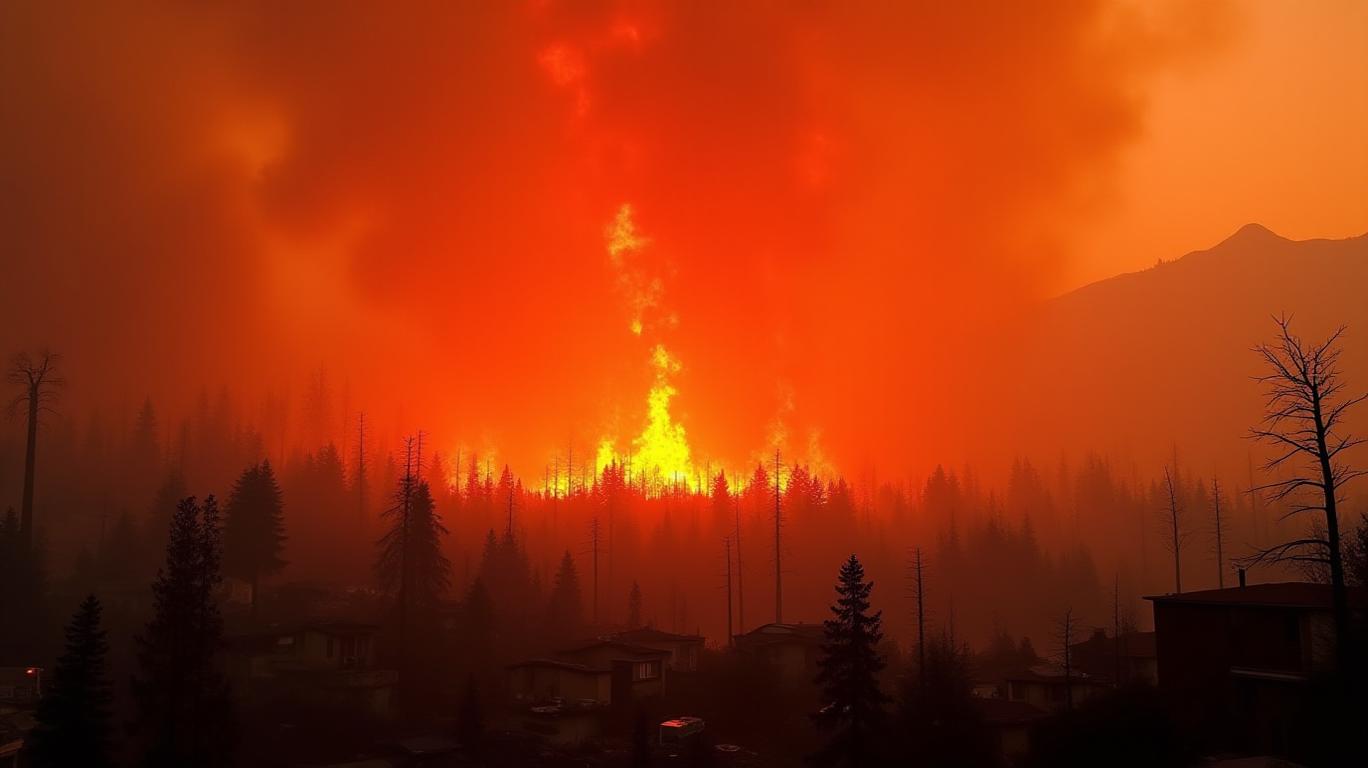
The recent wildfire season in California has been devastating, with the Eaton and Palisades fires causing an estimated $28-$35 billion in insured property loss, according to Verisk Analytics, Inc. This staggering figure underscores the increasing severity and frequency of wildfires in the state, which is being exacerbated by climate change.
The Palisades fire alone is estimated to have caused between $20-$25 billion in insured losses, while the Eaton fire is expected to result in $8-$10 billion in losses. Most of the losses are to residential risks, highlighting the vulnerability of homeowners in wildfire-prone areas.
The high insured property loss estimates can be attributed to several factors:
1. High property values: The impacted areas include some of the highest property values in the country, with many policyholders having considerable contents exposure, including luxury goods like jewelry and fine art.
2. Demand surge: Given the large number of destroyed structures, there will be a significant demand for rebuilding materials and labor, which can drive up costs.
3. Insured take-up rates: The estimate accounts for insured take-up rates, which represent the proportion of insured properties within the affected areas.
4. Climate change and increased wildfire risk: The frequency and severity of wildfires are increasing due to climate change, making wildfire-prone areas even riskier.
These factors are likely to influence future underwriting decisions and premiums for homeowners in wildfire-prone areas, with insurers potentially raising premiums, reducing insurance availability, and imposing stricter underwriting criteria. This could exacerbate the insurance crisis in wildfire-prone areas, making it more difficult and expensive for homeowners to secure coverage.
To address these challenges, policy changes might include encouraging mitigation efforts, strengthening the FAIR Plan, promoting public-private partnerships, improving catastrophe modeling, and regulating insurer behavior. These changes could help improve the availability and affordability of insurance for homeowners in California, while also promoting resilience and sustainability in the face of increasing wildfire risk.
In conclusion, the estimated $28-$35 billion in insured property loss from the Eaton and Palisades fires highlights the devastating impact of wildfires in California and the urgent need for action to address the insurance crisis in wildfire-prone areas. By working together, homeowners, insurers, and policymakers can develop innovative solutions to mitigate risk, improve insurance availability, and promote resilience in the face of climate change.
VRSK--
The recent wildfire season in California has been devastating, with the Eaton and Palisades fires causing an estimated $28-$35 billion in insured property loss, according to Verisk Analytics, Inc. This staggering figure underscores the increasing severity and frequency of wildfires in the state, which is being exacerbated by climate change.
The Palisades fire alone is estimated to have caused between $20-$25 billion in insured losses, while the Eaton fire is expected to result in $8-$10 billion in losses. Most of the losses are to residential risks, highlighting the vulnerability of homeowners in wildfire-prone areas.
The high insured property loss estimates can be attributed to several factors:
1. High property values: The impacted areas include some of the highest property values in the country, with many policyholders having considerable contents exposure, including luxury goods like jewelry and fine art.
2. Demand surge: Given the large number of destroyed structures, there will be a significant demand for rebuilding materials and labor, which can drive up costs.
3. Insured take-up rates: The estimate accounts for insured take-up rates, which represent the proportion of insured properties within the affected areas.
4. Climate change and increased wildfire risk: The frequency and severity of wildfires are increasing due to climate change, making wildfire-prone areas even riskier.
These factors are likely to influence future underwriting decisions and premiums for homeowners in wildfire-prone areas, with insurers potentially raising premiums, reducing insurance availability, and imposing stricter underwriting criteria. This could exacerbate the insurance crisis in wildfire-prone areas, making it more difficult and expensive for homeowners to secure coverage.
To address these challenges, policy changes might include encouraging mitigation efforts, strengthening the FAIR Plan, promoting public-private partnerships, improving catastrophe modeling, and regulating insurer behavior. These changes could help improve the availability and affordability of insurance for homeowners in California, while also promoting resilience and sustainability in the face of increasing wildfire risk.
In conclusion, the estimated $28-$35 billion in insured property loss from the Eaton and Palisades fires highlights the devastating impact of wildfires in California and the urgent need for action to address the insurance crisis in wildfire-prone areas. By working together, homeowners, insurers, and policymakers can develop innovative solutions to mitigate risk, improve insurance availability, and promote resilience in the face of climate change.

Divulgación editorial y transparencia de la IA: Ainvest News utiliza tecnología avanzada de Modelos de Lenguaje Largo (LLM) para sintetizar y analizar datos de mercado en tiempo real. Para garantizar los más altos estándares de integridad, cada artículo se somete a un riguroso proceso de verificación con participación humana.
Mientras la IA asiste en el procesamiento de datos y la redacción inicial, un miembro editorial profesional de Ainvest revisa, verifica y aprueba de forma independiente todo el contenido para garantizar su precisión y cumplimiento con los estándares editoriales de Ainvest Fintech Inc. Esta supervisión humana está diseñada para mitigar las alucinaciones de la IA y garantizar el contexto financiero.
Advertencia sobre inversiones: Este contenido se proporciona únicamente con fines informativos y no constituye asesoramiento profesional de inversión, legal o financiero. Los mercados conllevan riesgos inherentes. Se recomienda a los usuarios que realicen una investigación independiente o consulten a un asesor financiero certificado antes de tomar cualquier decisión. Ainvest Fintech Inc. se exime de toda responsabilidad por las acciones tomadas con base en esta información. ¿Encontró un error? Reportar un problema


SOBRE NOSOTROS
Nuestra historiaAutores de noticiasBase de conocimientosPolítica de privacidadTérmino de usoDescargo de responsabilidad de corretaje de tercerosTérminos de uso de AIMEDivulgaciones de riesgos de AInvest AICarrerasCONTÁCTENOS
Email: support@ainvest.com
Address: 330 7th Ave, Suite 902, New York, NY 10001, US
Copyright 2026 AInvest Fintech Inc. All rights reserved.


Comentarios
Aún no hay comentarios