
Venezuela’s Dely Rodriguez signs amnesty bill into law
Venezuela’s Dely Rodriguez signs amnesty bill into law
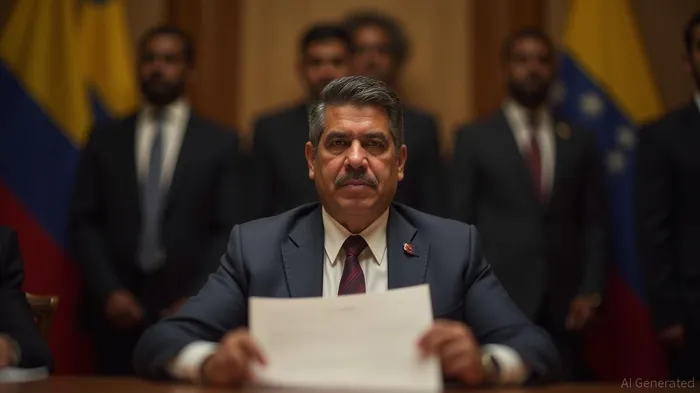
Venezuela’s Delcy Rodríguez Signs Amnesty Bill into Law Amid Political and Economic Shifts
On February 18, 2026, Venezuela’s legislature approved a general amnesty bill proposed by Acting President Delcy Rodríguez, marking a significant policy reversal for the nation. The law, expected to be signed into effect, aims to release individuals detained for politically motivated offenses, including opposition figures, activists, and journalists. This move acknowledges the government’s past detention of over 600 political prisoners, a practice long denied by Venezuelan authorities.
The amnesty bill covers crimes or offenses committed between 1999 and the present, including acts of politically driven violence linked to the contentious 2024 presidential election, which triggered mass arrests. Exclusions include individuals convicted of murder, drug trafficking, corruption, or human rights violations. The law also permits amnesty applications for those abroad through legal representation, addressing earlier disputes over eligibility.
This development follows the U.S.-led capture of former President Nicolás Maduro on January 3, 2026, and subsequent pressure from U.S. and international actors for political reforms. Rodríguez’s government has also announced the closure of Helicoide, a notorious Caracas detention center associated with documented human rights abuses.
While the opposition and human rights groups have expressed cautious optimism, concerns persist about implementation. Foro Penal, a Venezuelan rights organization, estimates 711 individuals remain in custody for political activities, with only 448 released since January. Critics highlight the slow pace of releases and call for transparency to ensure the law's effectiveness.
Economically, the amnesty aligns with broader policy shifts, including revisions to Venezuela’s oil industry law under U.S. influence. However, the long-term economic impact remains uncertain, as political instability and institutional distrust persist. Investors may monitor how the government balances amnesty with efforts to restore economic stability, particularly in key sectors like oil.
The law’s success will depend on its enforcement and whether it fosters broader political reconciliation. For now, it represents a pivotal step in Venezuela’s complex transition amid ongoing international scrutiny.






Comentarios
Aún no hay comentarios