
Venezuela's Crypto Rally, Colombia Overhauls VASP Reporting
Venezuela’s cryptocurrency markets surged following the U.S. military’s capture of President Nicolás Maduro. BitcoinBTC-- briefly reached $95,000, before retreating to around $92,700. Analysts argue the event could shift capital away from oil and into digital assets.
Colombia introduced new rules requiring crypto service providers to report user and transaction data to tax authorities. The regulations, under Resolution 000240, align with OECD standards and apply to all digital asset platforms operating in the country. According to reports, the new regulations enhance transparency and aim to prevent tax evasion.
Coinbase suspended peso-based services in Argentina, effective January 31, 2026, as part of a strategic pause. The move affects USDCUSDC-- trading but leaves crypto-to-crypto operations intact. The company plans to reassess its offering in response to market conditions.
Why the Move Happened
The U.S. capture of Maduro triggered speculation about global oil prices and geopolitical stability. BlockByte predicted that the removal of Maduro would drive capital into digital assets like Bitcoin. However, retaliation from China and Russia could cause market volatility. As analysis indicates, the geopolitical landscape remains uncertain.
Arthur Hayes, a former BitMEX co-founder, suggested that a potential arrest of Maduro could lead to a Bitcoin price surge to $200,000 by March 2026. He connected the potential U.S. seizure of Venezuelan oil assets with monetary expansion and digital asset valuation. According to his prediction, Bitcoin could experience significant price movement.
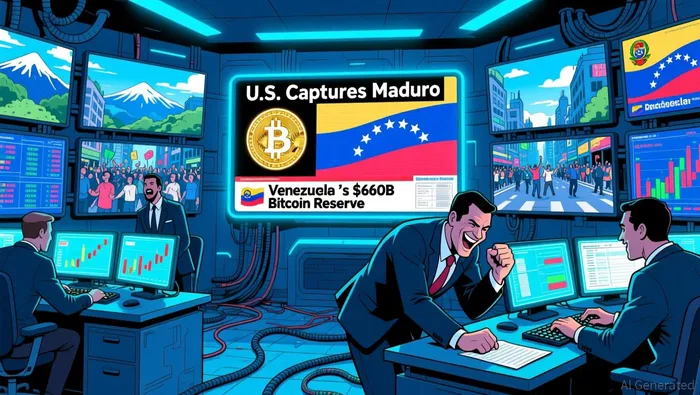
Venezuela is reported to hold a $60 billion Bitcoin reserve, accumulated from oil sales and gold conversions. If the U.S. seizes these assets, it could impact the global supply and price of Bitcoin. Data shows the reserve represents a significant potential supply shock.
How Markets Responded
Bitcoin prices fluctuated in response to geopolitical events and market sentiment. After rising above $92,000 following the capture of Maduro, the price declined slightly to around $92,700. Short positions worth $180 million were liquidated, indicating increased speculative activity.
Gold prices also rose nearly 2% due to heightened geopolitical uncertainty. The S&P 500 remained optimistic, with analysts suggesting that geopolitical crises could create buying opportunities in 2026. Market analysis suggests that volatility may present short-term trading opportunities.
Colombian crypto platforms must now submit detailed user and transaction data to DIAN. This measure enhances transparency and aims to prevent tax evasion. The first full report is due by May 2027. According to the new regulations, all digital asset platforms must comply with reporting requirements.
What Analysts Are Watching
Analysts are monitoring the potential outcomes of the U.S. seizure of Venezuelan Bitcoin. If the assets are frozen or held as a strategic reserve, Bitcoin prices could be supported. If liquidated, it could trigger a market correction. Experts warn that such actions could significantly impact market stability.
In Argentina, Coinbase’s strategic pause highlights the challenges of operating in a high-inflation environment with strict capital controls. The firm cited the need for a re-evaluation to ensure efficient service. The move is not a full exit but a temporary pause. As reported, this pause reflects strategic reassessment.
France has also joined the trend, with plans to require self-custody wallet holders to declare accounts exceeding €5,000. This expands oversight beyond exchanges and reflects a global shift toward stricter crypto regulation. According to reports, France is implementing comprehensive crypto tax reporting measures.





Comentarios
Aún no hay comentarios