
Vanke's Yuan Bonds Tumble 12% as Lender Support Fades, Defaults Loom
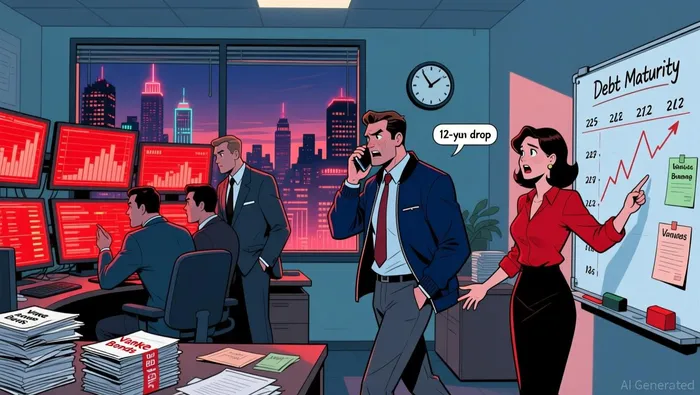
China Vanke Co.'s yuan bonds plummeted in their largest drop in nearly a year, signaling deepening investor concerns over the firm's debt sustainability. One 2 billion yuan bond due in 2026 fell by as much as 12 yuan to about 80 yuan on Tuesday, marking the most volatile trading session since last December. The decline was part of a broader selloff in onshore bonds as market participants grew skeptical of the company's ability to manage its looming debt maturities according to Bloomberg reports.
The drop comes amid a broader slowdown in China's property sector, with new home sales continuing to fall despite policy easing measures. Vanke, once a pillar of the industry, now faces mounting pressure to address its liquidity issues. The developer has relied on credit lines from its state-owned shareholder, Shenzhen Metro Group Co., to fund debt repayments this year, but recent signals suggest that support may be tightening according to market analysis.
Adding to the uncertainty is the worsening condition of China's real estate market, which has been in a deep slump for nearly four years. The sector, once a major growth engine, is now weighed down by falling property values, unfinished projects, and a record number of distressed developers according to Bloomberg. Vanke's financial struggles reflect a systemic crisis that has also impacted other major names like China Evergrande Group, which was delisted from the Hong Kong stock exchange in August 2025 according to financial reports.
Why the Standoff Happened
Vanke's bond plunge reflects a broader loss of confidence in the property sector, particularly among onshore investors. The developer's largest shareholder, Shenzhen Metro Group, recently indicated it would tighten financing terms, raising alarms that crucial liquidity support could be reduced. This has left investors questioning whether Vanke can meet its obligations as debt maturities loom next year according to market analysis.
The developer has been relying on short-term credit lines to manage its debt obligations, a strategy that may no longer be viable if support from its state-backed backer is curtailed. The bond market is now pricing in a higher risk of default, with several yuan-denominated bonds falling by more than 10 yuan and approaching their lowest levels in at least nine months.
Risks to the Outlook
The bond selloff highlights the fragility of China's property market and the risks it poses to the broader financial system. Chinese banks already face mounting bad debt, with non-recoverable loans reaching 3.5 trillion yuan at the end of September. If more developers follow Vanke into distress, banks and local governments could face severe financial strain. Local authorities rely heavily on land sales to fund public services and infrastructure projects, and a continued property slump could further weaken public finances according to financial analysts.
The government has attempted to stabilize the market with a series of measures, including rate cuts and relaxed buying restrictions in major cities. Yet these efforts have yet to reverse the downward trend. In October, new and resale home prices recorded their steepest declines in at least a year, signaling that the market remains deeply oversupplied and under demand. Analysts are now closely watching whether Beijing will introduce more aggressive interventions, such as mortgage subsidies or larger income tax rebates for homeowners, to reignite buyer interest according to market forecasts.
What This Means for Investors
Vanke's bond market struggles underscore the heightened risks for investors in China's real estate sector. Onshore bonds have held up better than their dollar-denominated counterparts, which trade at distressed levels below 50 cents on the dollar. But the recent selloff indicates that even domestic investors are losing patience according to Bloomberg reports.
The crisis also raises questions about the broader financial system. With banks increasingly exposed to property-related loans, a further deterioration in developer creditworthiness could lead to higher non-performing assets and tighter lending conditions. Investors will be watching for signs of more government intervention, as well as how other large developers manage their liquidity challenges in the months ahead according to financial analysts.







Comentarios
Aún no hay comentarios