
Vanderbilt's West Palm Beach Campus Moves Forward With Backing From Billionaire Ross
Vanderbilt University has reached a major milestone in its plans for a new campus in West Palm Beach, Florida. The university has secured enough of its initial $300 million fundraising goal to proceed, according to Chancellor Daniel Diermeier. This progress enables the school to begin the second stage of fundraising, which aims to raise an additional $250 million.
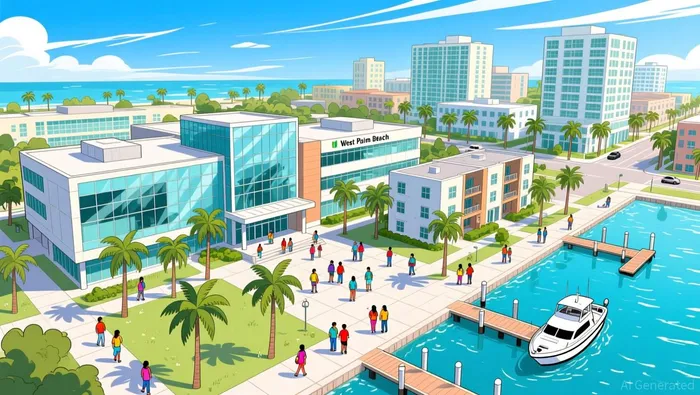
The campus, set to open in the fall of 2029, will focus on graduate programs in finance, engineering, and technology. It will include space for executive education and workforce training programs. The land for the project was donated by the city and county, reducing the financial burden on the university.
Real estate billionaire Stephen Ross has been a major financial backer of the project, contributing $50 million toward the effort. Ross has also been instrumental in developing downtown West Palm Beach, with plans to transform it into a hub for finance and business. His firm is constructing office and residential towers to support the region's growth.
Why the Move Happened
The decision to expand into West Palm Beach aligns with Vanderbilt's broader strategy to establish satellite campuses across the United States. The university is also opening a campus in New York this fall and is exploring another in San Francisco. The focus on graduate and executive programs reflects a growing demand for specialized education in tech and finance.
Chancellor Diermeier emphasized the importance of the new campus in expanding Vanderbilt's reach and impact. He said in an interview, "It's a very exciting and big milestone for the university."
How the Community Will Benefit
Vanderbilt has estimated that the project will generate $7 billion in economic activity over the next 25 years. The university expects to spend more than $500 million on construction, which will create jobs and stimulate local growth. The campus is expected to attract students and professionals to the area, increasing demand for housing, healthcare, and other services.
Ross has long emphasized the need to address quality-of-life issues in West Palm Beach. His development plans include not just the university but also housing, healthcare, and entertainment projects. This strategy is designed to attract and retain talent, making the area more competitive for businesses.
The city's proximity to Palm Beach and Miami makes it an attractive location for a university campus. With its Intracoastal Waterway views and access to major transportation hubs, West Palm Beach offers a mix of urban and natural amenities.
What Analysts Are Watching
Analysts are closely monitoring the success of Vanderbilt's satellite campuses, particularly how they integrate with the university's main campus in Nashville. The new locations could help diversify the university's geographic and demographic reach, which is important in a competitive higher education market.
There is also interest in how the Florida campus will perform in terms of enrollment and academic outcomes. Graduate programs in finance and technology are high-demand fields, and the success of these programs will depend on the university's ability to attract and retain faculty and students.
The broader economic impact of the project is also a focus. If the university's projections hold true, the campus could play a significant role in boosting the region's economy. This could lead to further investments in infrastructure and services, creating a virtuous cycle of growth.
As the project moves forward, stakeholders will be watching for updates on fundraising, construction timelines, and academic program developments. The success of the West Palm Beach campus could set a precedent for future expansion efforts at Vanderbilt and other universities.







Comentarios
Aún no hay comentarios