
Valneva’s Chikungunya Vaccine Suspension: A Crossroads for Public Health and Investment
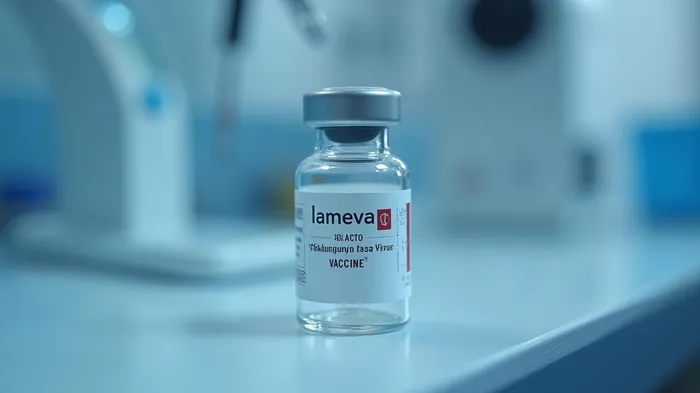
France’s recent decision to suspend Valneva’s chikungunya vaccine, Ixchiq, for individuals over 65 years old has sent shockwaves through the biotech sector. The move, driven by three severe adverse events (SAEs) in elderly patients, underscores the fragile balance between public health imperatives and the risks inherent in deploying vaccines during outbreaks. For investors, this incident raises critical questions: How will this suspension impact Valneva’s stock? Can the company recover its momentum in a crowded market? And what does this mean for the broader race to combat a disease now classified as a global health threat?
The Regulatory Context: Precaution vs. Public Health Urgency
The suspension, announced by France’s Haute Autorité de Santé (HAS), followed three SAEs in seniors over 80 with pre-existing conditions. While causality remains unproven, the HAS prioritized caution in a region grappling with over 40,000 confirmed chikungunya cases in 2025. The vaccine’s rollout was urgent: chikungunya, a mosquito-borne virus causing debilitating joint pain and systemic complications, has surged in tropical regions due to climate change. The WHO now lists it among its top disease priorities, amplifying the need for effective vaccines.
Valneva’s Immediate Challenges and Market Risks
The suspension directly impacts Valneva’s short-term prospects. The company had supplied 40,000 doses to French territories, and its stock has already reacted.
Analysts note that while Valneva’s broader recommendation for adults 18–64 remains intact, the loss of the senior demographic—a high-risk group—reduces the vaccine’s market potential. Competitor Bavarian Nordic’s rival vaccine, Vimkunya, has already secured FDA approval for a wider age range, including adolescents, a critical edge. Valneva’s pending FDA application to expand Ixchiq’s use to younger populations now faces heightened scrutiny.
The Broader Market Dynamics: A Race Against Time and Competitors
The chikungunya vaccine market is rapidly evolving. Bavarian Nordic’s FDA approval in February 2025 expanded its reach, while Valneva’s suspension could accelerate its rivals’ dominance.
Valneva’s ability to rebound hinges on swift resolution of the safety concerns. If the SAEs are found unrelated to Ixchiq, the suspension could be temporary, allowing the company to regain ground. However, persistent doubts about safety could permanently shrink its market share. The CDC’s ongoing investigation into U.S. cases adds another layer of uncertainty, with five reported hospitalizations prompting travel advisories for seniors.
The Bottom Line: Risks and Opportunities in a Growing Market
Chikungunya’s global threat is undeniable. The WHO estimates that climate-driven mosquito proliferation could expose hundreds of millions to the disease by 2030. Valneva’s vaccine, despite its recent setback, remains a key player in a market projected to exceed $1 billion by 2035.
Investors should weigh two factors:
1. Near-term volatility: Valneva’s stock (VLY) has declined 15% since the suspension announcement, reflecting market anxiety. A quick resolution or data exonerating Ixchiq could trigger a rebound.
2. Long-term potential: If ValnevaVALN-- can secure FDA approval for younger age groups and address safety concerns, it could capture a significant share of a growing market.
Conclusion: Navigating the Fine Line Between Caution and Growth
France’s suspension highlights the precarious position of vaccine developers: rapid deployment is vital for public health, but safety failures can erode trust and financial stability. Valneva’s path forward depends on transparent investigations and regulatory cooperation.
- Valneva’s stock (VLY) has lost 22% year-to-date amid the suspension and competitor advancements.
- Bavarian Nordic’s stock (BAVA) has gained 18% since its FDA approval, reflecting investor confidence in its broader age indication.
- Chikungunya cases in La Réunion have surged to 40,000 by April 2025, underscoring the urgency for solutions.
For now, investors should monitor Valneva’s progress in addressing the SAEs and its FDA application. The company’s fate will determine whether it can pivot from crisis to opportunity in a market racing to combat a disease with no cure—and growing every year.





Comentarios
Aún no hay comentarios