
Valeura Energy Inc.'s Q3 2025 Performance and Strategic Positioning: Operational Momentum and Long-Term Value Creation in the Low-Carbon Energy Transition
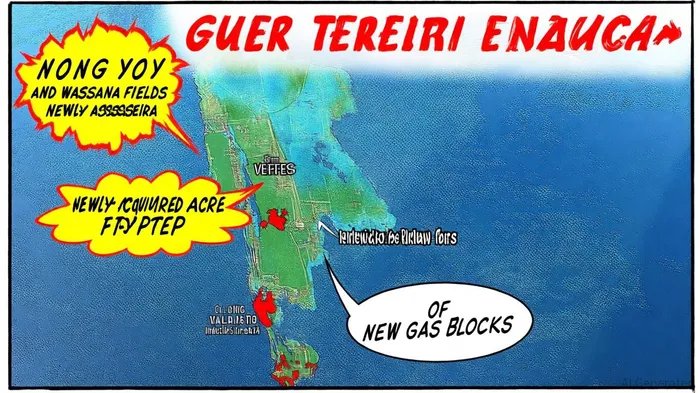
In the evolving landscape of the global energy transition, companies that balance operational excellence with strategic foresight in decarbonization are poised to outperform. Valeura Energy Inc. (VLE.TO) has demonstrated both in its Q3 2025 results, delivering robust production growth while advancing low-carbon initiatives. This analysis examines how the company's operational momentum and strategic positioning align with long-term value creation in a carbon-constrained world.
Operational Momentum: Production Growth and Financial Strength
Valeura's Q3 2025 performance underscores its ability to execute high-impact projects. The company reported a 6.2% quarter-over-quarter increase in working interest share oil production before royalties, rising to 23.0 mbbls/d in Q2 and peaking at 24.8 mbbls/d by the end of Q3, driven by a ten-well drilling campaign at the Nong Yao field, as detailed in the Q3 2025 operations update. This surge in output, coupled with a realized oil price of US$72.06/bbl-a US$2.52/bbl premium over the Brent benchmark-highlighted operational efficiency and pricing resilience, as noted in a Morningstar report.
Financially, Valeura's liquidity remains a cornerstone of its strategy. As of September 30, 2025, the company held US$248.3 million in cash and an additional US$36.7 million in receivables from September oil liftings, as disclosed in the LSE RNS update. With no debt on its balance sheet, Valeura has the flexibility to fund growth initiatives or navigate market volatility. This financial discipline is critical in an industry where capital allocation directly impacts long-term shareholder value.
Strategic Positioning: Expanding Acreage and Redeployment of Assets
Valeura's strategic moves in Q3 2025 reflect a dual focus on near-term production and long-term sustainability. The most significant development was a farm-in agreement with PTTEP, which expanded Valeura's offshore Gulf of Thailand acreage from 2,623 km² to 22,757 km² by earning a 40% interest in Blocks G1/65 and G3/65, as described in the farm-in announcement. These blocks, adjacent to existing infrastructure and containing 15 known discoveries, offer a low-risk path to accelerate gas production-a critical asset in the transition to lower-carbon energy.
Simultaneously, the company advanced its Wassana field redevelopment project, which the Q3 operations update notes remains on schedule for first oil in Q2 2027. This brownfield project, combined with the Nong Yao drilling success, illustrates Valeura's ability to extend the economic life of mature assets while maintaining high safety and environmental standards.
Low-Carbon Energy Transition: Emissions Reduction and Technology Deployment
While Valeura's Q3 report did not explicitly outline a 2025 low-carbon strategy, its operational practices and historical performance demonstrate a clear commitment to decarbonization. The company achieved a 20% reduction in greenhouse gas (GHG) emissions intensity in 2024 and an additional 17% reduction in Q4 2024, as reported in the Second Quarter 2025 Results. These improvements were driven by operational efficiencies and the deployment of a low BTU gas generator at the Jasmine field, which repurposes waste gas for power generation, reducing reliance on diesel, as described in a DirectorsTalk article.
Valeura's 2025 capital expenditure guidance of US$125–150 million further aligns with its sustainability goals. A portion of this budget is allocated to emissions abatement technologies and the development of lower-carbon natural gas assets, reflecting a transitional energy strategy that balances growth with environmental responsibility, according to a Nasdaq article.
Long-Term Value Creation: Balancing Growth and Sustainability
Valeura's strategic positioning in the Gulf of Thailand-where natural gas demand is expected to grow due to its role as a bridge fuel-positions it to benefit from both energy security and decarbonization trends. The PTTEP farm-in agreement, in particular, offers a scalable path to expand gas production while leveraging existing infrastructure to minimize carbon footprints.
Moreover, the company's debt-free balance sheet and strong liquidity provide flexibility to pursue inorganic opportunities, such as acquiring lower-carbon assets or investing in carbon capture technologies. As the energy transition accelerates, companies with such agility will be better positioned to navigate regulatory and market shifts.
Conclusion
Valeura Energy Inc.'s Q3 2025 results and strategic initiatives highlight a company that is not only executing on operational excellence but also proactively aligning with the low-carbon energy transition. By combining production growth, financial prudence, and emissions reduction, Valeura is building a resilient business model that addresses both shareholder returns and environmental stewardship. As the energy sector continues to evolve, Valeura's balanced approach positions it as a compelling investment for those seeking exposure to a transitional energy strategy.







Comentarios
Aún no hay comentarios