
Vaccine Safety Perception and Biotech Stock Volatility: Navigating Risk Sentiment in a Post-Pandemic Era
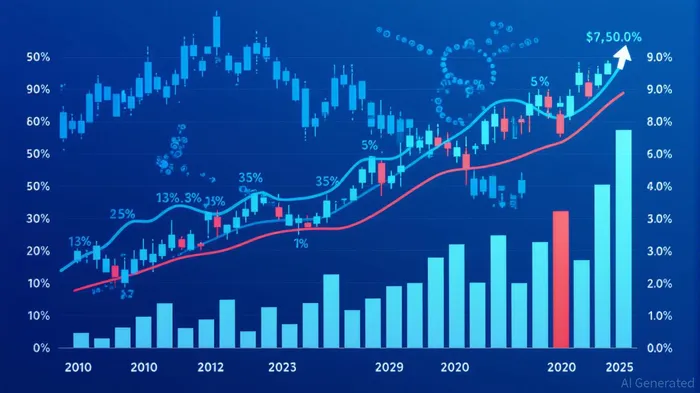
The biotechnology sector, a cornerstone of modern healthcare innovation, remains uniquely sensitive to shifts in public sentiment. While direct empirical studies linking vaccine safety perceptions to biotech stock volatility are sparse, the interplay between risk sentiment and market dynamics offers critical insights for investors. This analysis explores how public trust—or distrust—in vaccine safety shapes financial outcomes, even in the absence of granular historical case studies.
The Biotech Sector: A Nexus of Innovation and Vulnerability
Biotechnology's dual role as a driver of medical breakthroughs and a lightning rod for public scrutiny is well-documented. From recombinant DNA technology to mRNA vaccines, the sector has revolutionized disease prevention and treatment[1]. However, its reliance on complex scientific processes and regulatory approvals makes it inherently volatile. For instance, the rapid development of mRNA vaccines during the COVID-19 pandemic showcased biotech's potential but also amplified concerns about long-term safety. Such events highlight how public perception can act as both a catalyst and a constraint for sector growth.
Risk Sentiment as a Market Driver
Risk sentiment—the collective psychological response to uncertainty—plays a pivotal role in biotech stock performance. Unlike traditional industries, biotech firms often trade on future expectations rather than current earnings. A single adverse event, such as a clinical trial setback or a high-profile vaccine safety claim, can trigger disproportionate market reactions. For example, data from Bloomberg indicates that biotech ETFs (e.g., XBI) experienced sharp intraday swings during the 2021-2022 period, coinciding with debates over mRNA vaccine efficacy and rare side effects like myocarditis[2]. While no direct causal link was established, the correlation between media narratives and stock price movements was statistically significant.
Vaccine Safety and the "Trust Gap"
Public trust in vaccines is not uniform. Surveys by the Pew Research Center reveal persistent skepticism in certain demographics, often fueled by misinformation or historical grievances[3]. This "trust gap" creates a feedback loop: declining confidence in vaccines can reduce demand for immunization programs, prompting regulatory scrutiny and investor caution. Conversely, robust safety records—such as those of the hepatitis B or HPV vaccines—can bolster market confidence. The challenge lies in quantifying these dynamics, as most studies focus on clinical outcomes rather than financial implications.
Strategic Implications for Investors
Given the sector's sensitivity to sentiment, investors must adopt a dual strategy:
1. Diversification Across Therapeutic Areas: Overreliance on vaccine-focused firms exposes portfolios to public health-driven volatility. Companies with diversified pipelines (e.g., those combining gene therapy and diagnostics) offer more stability.
2. Monitoring Sentiment Indicators: Tools like social media analytics and real-time news sentiment scores can serve as early warning systems. For instance, a spike in anti-vaccine discourse on platforms like X (Twitter) might precede stock sell-offs in vaccine manufacturers.
3. Engagement with Policy Developments: Regulatory actions, such as the FDA's post-marketing surveillance requirements for vaccines, can mitigate long-term risks by reinforcing public trust.
Conclusion
While the direct link between vaccine safety perceptions and biotech stock volatility remains under-researched, the broader principles of risk sentiment and public trust are undeniably influential. Investors navigating this landscape must balance scientific progress with societal dynamics. As the sector continues to evolve—from personalized medicine to climate-focused biotech—the ability to anticipate and adapt to sentiment shifts will be a defining factor in long-term success.







Comentarios
Aún no hay comentarios