
Utz Brands' Strategic Expansion in Key Growth Markets: Distribution-Driven Market Share Capture and Long-Term Margin Potential
Distribution as a Strategic Lever
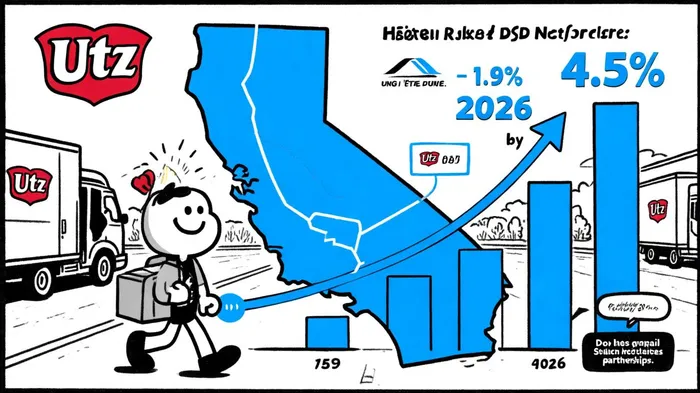
Utz's acquisition of Insignia's DSD routes is more than a logistical upgrade-it's a market-share play. Direct store delivery allows manufacturers to bypass third-party distributors, enabling tighter control over inventory, pricing, and shelf placement. For UtzUTZ--, this means greater agility in responding to retailer demands and consumer trends in California, . salty snack sales. According to an ABC27 report, the acquisition aligns with Utz's broader California expansion strategy, .
The financial rationale is equally compelling. By integrating these routes, Utz reduces dependency on external logistics partners, cutting costs and improving gross margins. , Utz's CEO, highlighted during the Q3 2025 earnings call that such productivity initiatives are "directly contributing to margin expansion." This is critical in an industry where thin margins and intense competition often stifle profitability.
Financial Performance and Margin Potential
Utz's Q3 2025 results underscore the effectiveness of its dual strategy: expanding distribution while optimizing operations. , , as noted in the earnings call summary. These figures outperform industry averages, reflecting Utz's ability to balance innovation (e.g., new product launches) with operational discipline.
Long-term margin potential hinges on achieving a 15% EBITDA margin, a target outlined in Utz's 2025 guidance. This ambition is rooted in supply chain improvements and the scalability of DSD networks. As noted in a GuruFocus analysis, , directly boosting profitability. However, short-term hurdles remain. Integration costs and the need for tactical adjustments in product lines like On The Border could temporarily pressure margins. Investors must weigh these near-term risks against the company's nine consecutive quarters of volume share growth in the salty snacks category, as the earnings call noted.
The Road Ahead: Balancing Growth and Efficiency
While Utz's expansion strategy is undeniably aggressive, its execution will determine whether the company can sustain its momentum. The California market, though lucrative, is highly fragmented, with established players like Frito-Lay and regional brands vying for shelf space. Utz's success will depend on its ability to leverage its DSD network for rapid inventory turnover and personalized retailer partnerships.
Moreover, the company's focus on operational efficiency-such as automation in its Pennsylvania-based manufacturing hub-could further insulate margins from inflationary pressures. As Friedman emphasized on the earnings call, "The long-term goal is to turn these investments into durable competitive advantages." For investors, this suggests a focus on Utz's EBITDA trajectory and its capacity to reinvest cash flows into high-return markets.
Conclusion
Utz Brands' strategic expansion into California and the Midwest represents a masterclass in distribution-driven growth. By acquiring Insignia's DSD assets, the company is not only enhancing its logistical footprint but also positioning itself to outmaneuver competitors in a price-sensitive category. While integration costs and market saturation pose risks, Utz's track record of margin improvement and its clear-eyed focus on EBITDA targets make it a compelling case study in operational resilience. For long-term investors, the key will be monitoring how effectively Utz converts its distributional advantages into sustained market share and profitability.





Comentarios
Aún no hay comentarios