
Utah Senate Passes Blockchain Bill, Bitcoin Reserve Clause Removed
Utah's Senate has passed a blockchain bill that initially included a provision for the state to invest in Bitcoin, but this key clause was ultimately removed. The bill, known as HB230 “Blockchain and Digital Innovation Amendments,” was approved by the Senate with a 19-7-3 vote on March 7, and later by the House with a 52-19 vote, with four members abstaining. The original bill proposed that Utah's treasurer could invest up to 5% of the state's funds in digital assets with a market cap above $500 billion, which currently only applies to Bitcoin. However, concerns about the early adoption of such policies led to the removal of the reserve clause during the final reading.
The amended bill still offers significant protections for crypto activities within the state. It prevents state and local governments from restricting the acceptance or custody of digital assets. Additionally, it supports the rights of individuals to run blockchain nodes and participate in staking, exempting these activities from state money transmitter licensing requirements. The legislation also limits how local governments can regulate crypto mining businesses, ensuring fair zoning and noise rules for digital asset miners operating in industrial zones. The bill now awaits Governor Spencer Cox’s signature and, if approved, will take effect on May 7, 2025.
Utah was initially poised to become the first US state with a Bitcoin reserve, but with the removal of the reserve provision, Texas and Arizona have taken the lead in this race. Texas lawmakers recently approved their bill with a 25-5 vote, with Senator Charles Schwertner arguing that Bitcoin’s scarcity makes it valuable for the state’s financial future. Arizona is also advancing with its own Bitcoin reserve proposal, which would allow the state to invest up to 10% of public funds in Bitcoin and other digital assets. Oklahoma has also joined the movement with its HB 1203, the Strategic Bitcoin Reserve Act, which passed the House Government Oversight Committee by a 12-2 vote.
Not all states are supportive of Bitcoin reserves. Montana, South Dakota, Pennsylvania, North Dakota, and Wyoming have rejected similar bills due to concerns about Bitcoin’s volatility. Out of 31 Bitcoin reserve state bills that were introduced, 25 remain active. States like Iowa, Kentucky, Maryland, Massachusetts, New Hampshire, and Ohio still have live bills under consideration. The state-level activity follows an 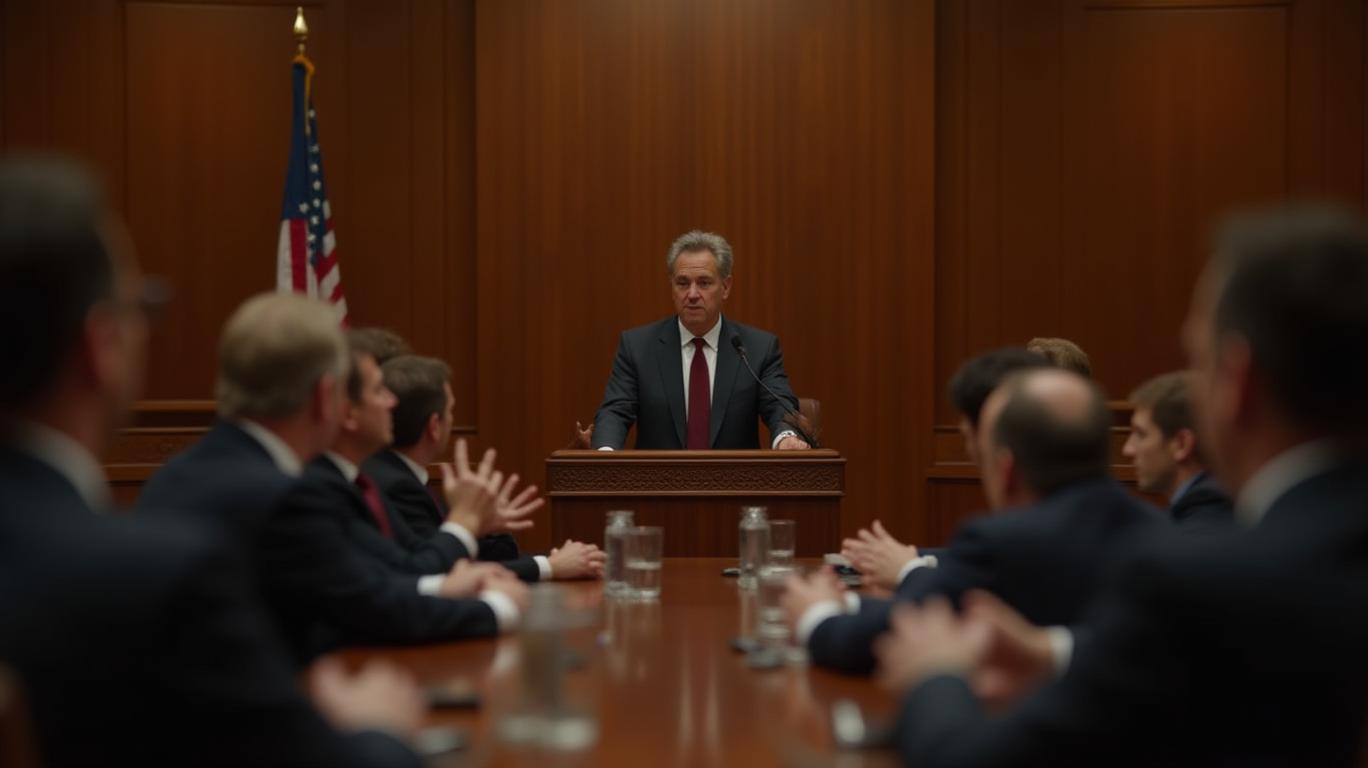






Comentarios
Aún no hay comentarios