
Utah Blazes Trail: Bitcoin Set to Become State Reserve Asset
Utah is on the cusp of a significant shift in its financial landscape, as the state legislature inches closer to designating Bitcoin as a state reserve asset. This move positions Utah as a trailblazer among U.S. states, potentially setting a precedent for others looking to integrate cryptocurrency into their financial frameworks.
The recent approval of the HB230 “Blockchain and Digital Innovation Amendments” by the Senate Revenue and Taxation Committee signals a significant legislative milestone for Utah. The bill, which passed with a 4-2-1 vote, aims to recognize Bitcoin as a reserve asset and permits the state treasurer to engage in crypto staking. This strategic investment reflects a growing acceptance of digital assets in mainstream finance.
Under the provisions of the bill, the state is authorized to allocate up to 5% of digital assets across various state accounts, including the General Fund and Income Tax Fund. This regulatory framework requires funds to be secured with a qualified custodian or through an exchange-traded fund, promoting secure and responsible management of state investments.
Utah is setting itself apart in the race for cryptocurrency legislation, outpacing states like Arizona and Montana, which have also introduced Bitcoin reserve bills. As of now, over a dozen states, including Kentucky and Texas, are exploring similar initiatives, but Utah appears to be leading the charge, benefiting from what some observers describe as a favorable political landscape and legislative urgency.
This pioneering legislation comes at a time when Bitcoin’s market capitalization has stabilized above the critical $500 billion mark, distinguishing it as a robust digital asset amid fluctuating valuations of others like Ether. The implications of adopting Bitcoin as a reserve asset could enhance Utah’s financial resilience, providing new avenues for revenue generation and investment strategies.
Should Governor Spencer Cox sign the bill into law, Utah would not only bolster its position in the cryptocurrency landscape but also potentially influence other states to follow suit. With the ramifications of this move still unfolding, Utah’s approach could shape future regulatory frameworks across the nation, showcasing a template for responsible digital asset inclusion within state finances.
Despite the promising trajectory, Utah faces challenges common to cryptocurrency legislation, including market volatility and regulatory scrutiny from federal authorities. Adopting Bitcoin as a state reserve asset will necessitate careful monitoring of market trends and ongoing dialogues with financial regulators to ensure compliance and sustainability.
In summary 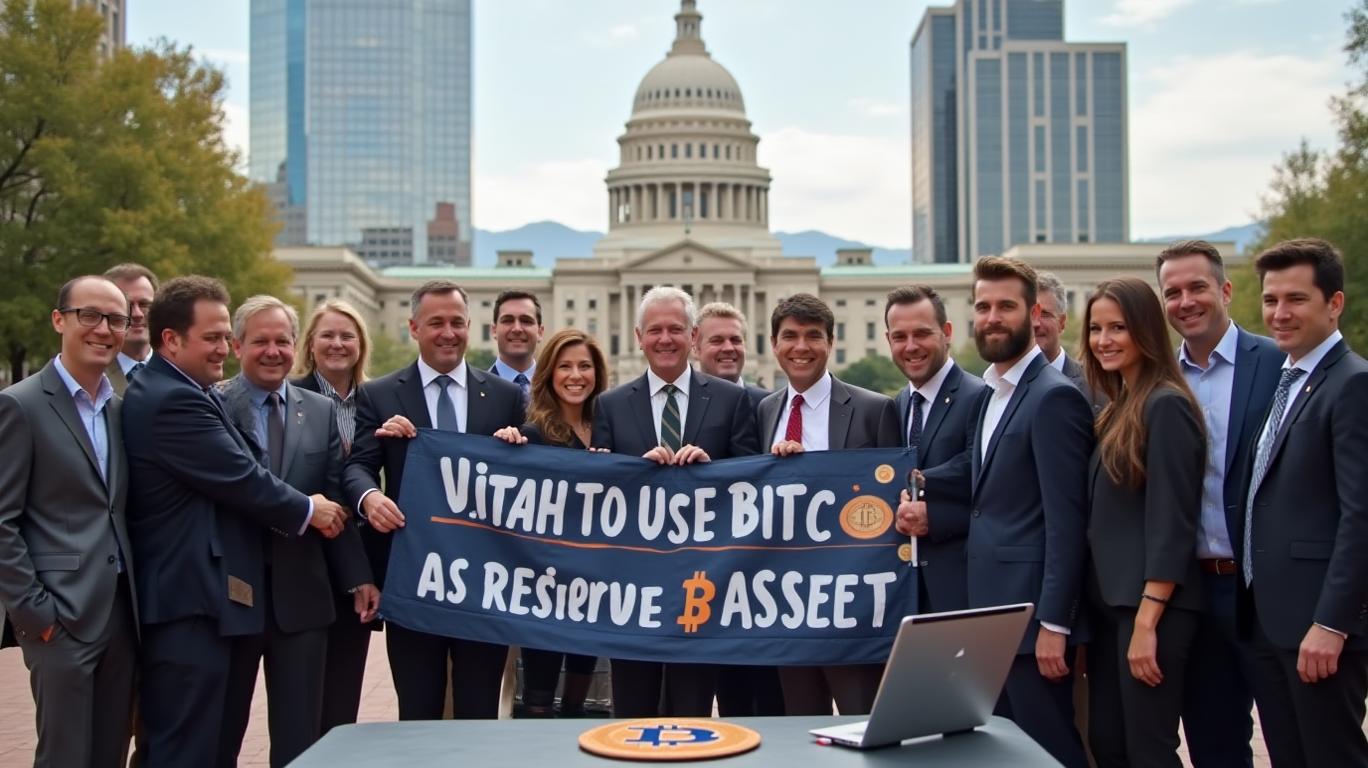






Comentarios
Aún no hay comentarios