
USW Union Chief Challenges U.S. Steel, Nippon Steel Lawsuit
Generado por agente de IAHarrison Brooks
miércoles, 5 de febrero de 2025, 10:22 am ET1 min de lectura
CLF--
United Steelworkers (USW) President David McCall has filed a motion to dismiss a lawsuit brought against him and Cleveland-Cliffs by U.S. Steel and Nippon Steel. The lawsuit alleges that McCall and Cleveland-Cliffs CEO Lourenco Goncalves colluded to prevent the $14.9 billion merger between U.S. Steel and Nippon Steel, aiming to monopolize the domestic steel market. McCall argues that the lawsuit is a frivolous attack on the union's first amendment rights and that the merger poses national security concerns.
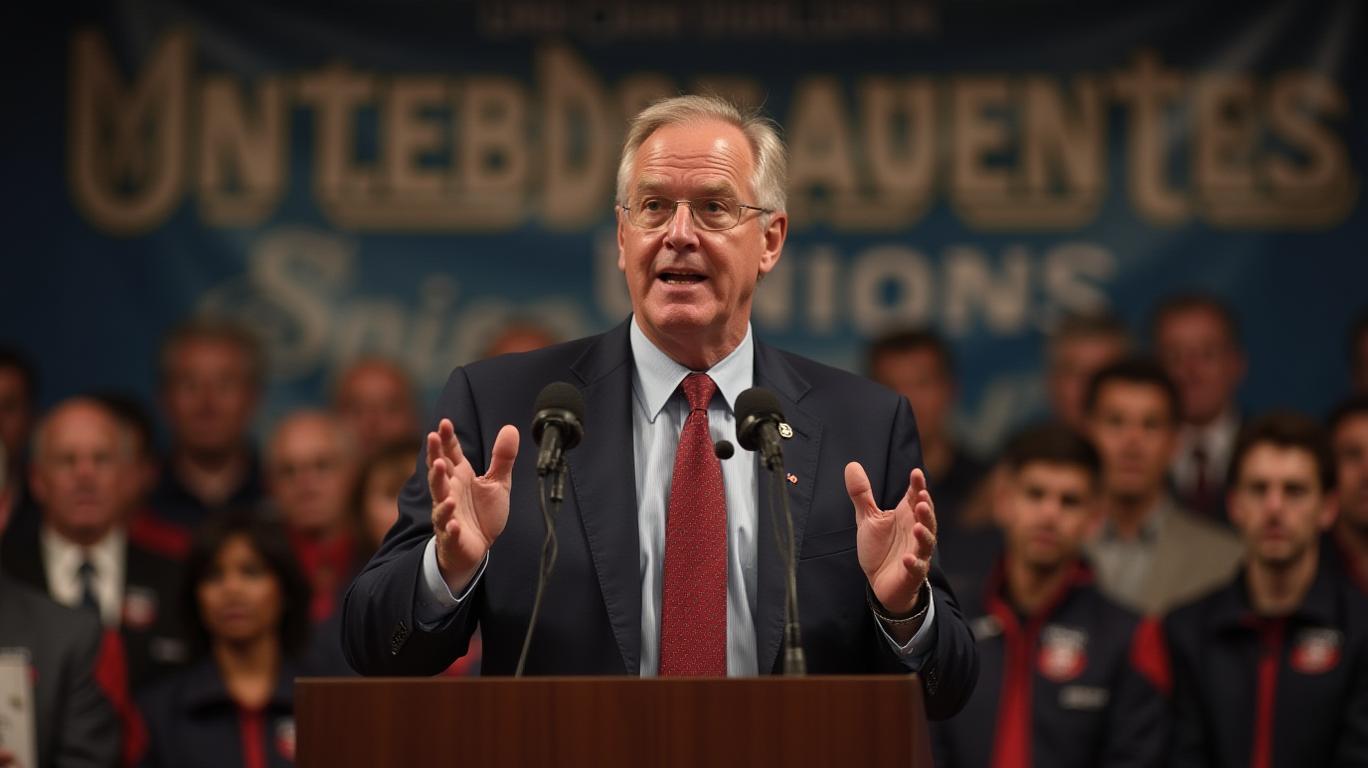
McCall's motion to dismiss the lawsuit is based on several key arguments. First, he maintains that the union is exercising its first amendment rights by advocating for its members' interests and opposing the merger. Second, he argues that the merger lacks transparency and poses job security risks, aligning with the union's broader objectives. Third, McCall supports Cleveland-Cliffs' potential bid for U.S. Steel, which could create a more competitive market. Lastly, he contends that the merger raises national security concerns, which President Biden acknowledged when he blocked the deal.
The Noerr-Pennington doctrine, cited by McCall, protects individuals and groups from antitrust liability when they petition the government for redress of grievances. McCall argues that the USW's lobbying efforts against the merger were made in good faith and should be protected under this doctrine. He maintains that the union's actions were not an illegal agreement causing harm to U.S. Steel and Nippon Steel but rather a policy decision made in good faith.
The outcome of this lawsuit could have significant implications for the relationship between unions and employers during mergers and acquisitions. If the lawsuit is successful, it could set a precedent for employers to take legal action against unions that oppose mergers or acquisitions, potentially chilling union advocacy for their members' interests. This could lead to a shift in power dynamics, with employers having more leverage in negotiations and unions being more cautious in their advocacy. On the other hand, if the lawsuit fails, it could embolden unions to continue advocating for their members' interests, even in the face of legal challenges from employers, potentially leading to a more adversarial relationship between unions and employers during mergers and acquisitions.
In conclusion, the USW union chief has challenged the lawsuit filed by U.S. Steel and Nippon Steel, arguing that the union's actions are protected under the first amendment and the Noerr-Pennington doctrine. The outcome of this lawsuit could have significant implications for the relationship between unions and employers during mergers and acquisitions, potentially shifting power dynamics and influencing future negotiations.
EIG--
United Steelworkers (USW) President David McCall has filed a motion to dismiss a lawsuit brought against him and Cleveland-Cliffs by U.S. Steel and Nippon Steel. The lawsuit alleges that McCall and Cleveland-Cliffs CEO Lourenco Goncalves colluded to prevent the $14.9 billion merger between U.S. Steel and Nippon Steel, aiming to monopolize the domestic steel market. McCall argues that the lawsuit is a frivolous attack on the union's first amendment rights and that the merger poses national security concerns.
McCall's motion to dismiss the lawsuit is based on several key arguments. First, he maintains that the union is exercising its first amendment rights by advocating for its members' interests and opposing the merger. Second, he argues that the merger lacks transparency and poses job security risks, aligning with the union's broader objectives. Third, McCall supports Cleveland-Cliffs' potential bid for U.S. Steel, which could create a more competitive market. Lastly, he contends that the merger raises national security concerns, which President Biden acknowledged when he blocked the deal.
The Noerr-Pennington doctrine, cited by McCall, protects individuals and groups from antitrust liability when they petition the government for redress of grievances. McCall argues that the USW's lobbying efforts against the merger were made in good faith and should be protected under this doctrine. He maintains that the union's actions were not an illegal agreement causing harm to U.S. Steel and Nippon Steel but rather a policy decision made in good faith.
The outcome of this lawsuit could have significant implications for the relationship between unions and employers during mergers and acquisitions. If the lawsuit is successful, it could set a precedent for employers to take legal action against unions that oppose mergers or acquisitions, potentially chilling union advocacy for their members' interests. This could lead to a shift in power dynamics, with employers having more leverage in negotiations and unions being more cautious in their advocacy. On the other hand, if the lawsuit fails, it could embolden unions to continue advocating for their members' interests, even in the face of legal challenges from employers, potentially leading to a more adversarial relationship between unions and employers during mergers and acquisitions.
In conclusion, the USW union chief has challenged the lawsuit filed by U.S. Steel and Nippon Steel, arguing that the union's actions are protected under the first amendment and the Noerr-Pennington doctrine. The outcome of this lawsuit could have significant implications for the relationship between unions and employers during mergers and acquisitions, potentially shifting power dynamics and influencing future negotiations.

Divulgación editorial y transparencia de la IA: Ainvest News utiliza tecnología avanzada de Modelos de Lenguaje Largo (LLM) para sintetizar y analizar datos de mercado en tiempo real. Para garantizar los más altos estándares de integridad, cada artículo se somete a un riguroso proceso de verificación con participación humana.
Mientras la IA asiste en el procesamiento de datos y la redacción inicial, un miembro editorial profesional de Ainvest revisa, verifica y aprueba de forma independiente todo el contenido para garantizar su precisión y cumplimiento con los estándares editoriales de Ainvest Fintech Inc. Esta supervisión humana está diseñada para mitigar las alucinaciones de la IA y garantizar el contexto financiero.
Advertencia sobre inversiones: Este contenido se proporciona únicamente con fines informativos y no constituye asesoramiento profesional de inversión, legal o financiero. Los mercados conllevan riesgos inherentes. Se recomienda a los usuarios que realicen una investigación independiente o consulten a un asesor financiero certificado antes de tomar cualquier decisión. Ainvest Fintech Inc. se exime de toda responsabilidad por las acciones tomadas con base en esta información. ¿Encontró un error? Reportar un problema


SOBRE NOSOTROS
Nuestra historiaAutores de noticiasBase de conocimientosPolítica de privacidadTérmino de usoDescargo de responsabilidad de corretaje de tercerosTérminos de uso de AIMEDivulgaciones de riesgos de AInvest AICarrerasCONTÁCTENOS
Email: support@ainvest.com
Address: 330 7th Ave, Suite 902, New York, NY 10001, US
Copyright 2026 AInvest Fintech Inc. All rights reserved.


Comentarios
Aún no hay comentarios