
USAC's Strategic J-W Power Acquisition and Its Implications for Natural Gas Midstream Growth
Midstream Consolidation: A Strategic Imperative
The U.S. midstream sector is undergoing a wave of consolidation as companies seek to scale operations, unlock synergies, and address logistical constraints. According to a report, the 2025 World Energy Outlook highlights a more durable outlook for fossil fuel demand than previously modeled, reinforcing the long-term role of U.S. production. Natural gas, in particular, is gaining renewed importance as a transitional energy source in the "Age of Electricity," driven by surging demand from data centers supporting AI and regulatory shifts favoring gas as a backup for renewables as the IEA reports.
USAC's acquisition of J-W Power exemplifies this trend. By expanding its geographic footprint and customer base, USAC strengthens its position as a leading provider of mid-to-large horsepower compression services. The transaction is also a deleveraging play, accelerating USAC's path to achieving sub-4.0x leverage a critical metric for midstream operators, a critical metric for midstream operators seeking to balance growth with financial discipline. Analysts note that the deal's accretive impact on Distributable Cash Flow (DCF) and its alignment with industry consolidation trends makes it a compelling move.
Regional Demand Forecasts and Infrastructure Needs
The acquisition's strategic rationale is further supported by regional natural gas demand forecasts. The U.S. Energy Information Administration projects that natural gas consumption in the residential and commercial sectors during the 2025–2026 winter heating season will average 36.5 billion cubic feet per day (Bcf/d), a 5% decline from the previous winter. This dip is attributed to warmer weather forecasts and reduced heating degree days. However, long-term demand growth is expected to be driven by industrial and export sectors.
The East region, particularly the Shale Crescent (Ohio, West Virginia, and Pennsylvania), is poised to become the largest natural gas-producing area in the U.S. by 2039, with production projected to rise by 59% to 53.8 Bcf/d from 2025 to 2050. This growth is fueled by the development of major shale plays like the Marcellus and Utica, which hold substantial reserves. As infrastructure in the Appalachian Basin expands, takeaway constraints are expected to ease, further supporting regional production as infrastructure expands. USAC's expanded footprint in the Northeast positions it to capitalize on these dynamics.
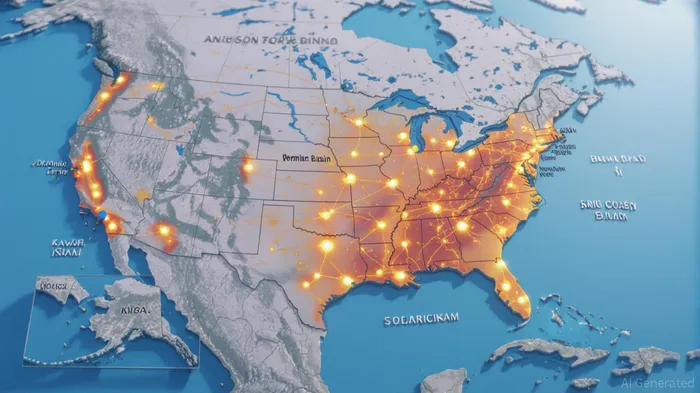 LNG exports are another critical driver of demand. The EIA notes that U.S. export volumes are set to increase significantly, with projects like Plaquemines LNG and Golden Pass LNG coming online earlier than anticipated. These developments, coupled with global demand from Asia and Europe, underscore the importance of robust midstream infrastructure. USAC's acquisition enhances its ability to support these export corridors, aligning with the sector's shift toward large-scale, infrastructure-focused deals as analysts observe.
Challenges and Opportunities
While domestic residential and commercial demand may remain flat due to improved energy efficiency and stable weather patterns as noted by industry experts, industrial demand could grow if natural gas remains a cost-effective feedstock for petrochemicals and refining as market analysis suggests. Meanwhile, electric generation use is expected to fluctuate as renewables and coal compete with gas-fired power. However, the IEA anticipates a recovery in gas-fired power burn in the mid-2020s, driven by the need for backup power in a decarbonizing grid as the IEA projects.
For USAC, the acquisition's timing is fortuitous. By expanding its operational scale and geographic reach, the company is well-positioned to navigate near-term volatility while capitalizing on long-term growth in LNG exports and industrial demand. The transaction's accretive DCF profile and deleveraging benefits also provide a strong foundation for future investments in infrastructure and technology as the deal is structured.
Investment Implications
The U.S. midstream sector's consolidation trend is a direct response to the need for scale and efficiency in a market characterized by high capital intensity and regulatory complexity. USAC's J-W Power acquisition exemplifies how strategic mergers can create value by addressing logistical bottlenecks, diversifying revenue streams, and enhancing operational resilience. With the EIA forecasting a 59% increase in East region production by 2050 and LNG exports surging, USAC's expanded footprint positions it to benefit from both domestic and international demand growth.
For investors, the acquisition underscores the importance of aligning with companies that can navigate the dual imperatives of decarbonization and energy security. USAC's ability to leverage synergies, reduce leverage, and expand its market leadership in compression services makes it a compelling case study in midstream innovation. As the sector continues to consolidate, operators that prioritize strategic scale and regional expertise-like USAC-are likely to outperform in an evolving energy landscape.





Comentarios
Aún no hay comentarios