

US Weekly Jobless Claims Unexpectedly Fall: A Closer Look
Generado por agente de IATheodore Quinn
jueves, 2 de enero de 2025, 8:48 am ET2 min de lectura
EIG--
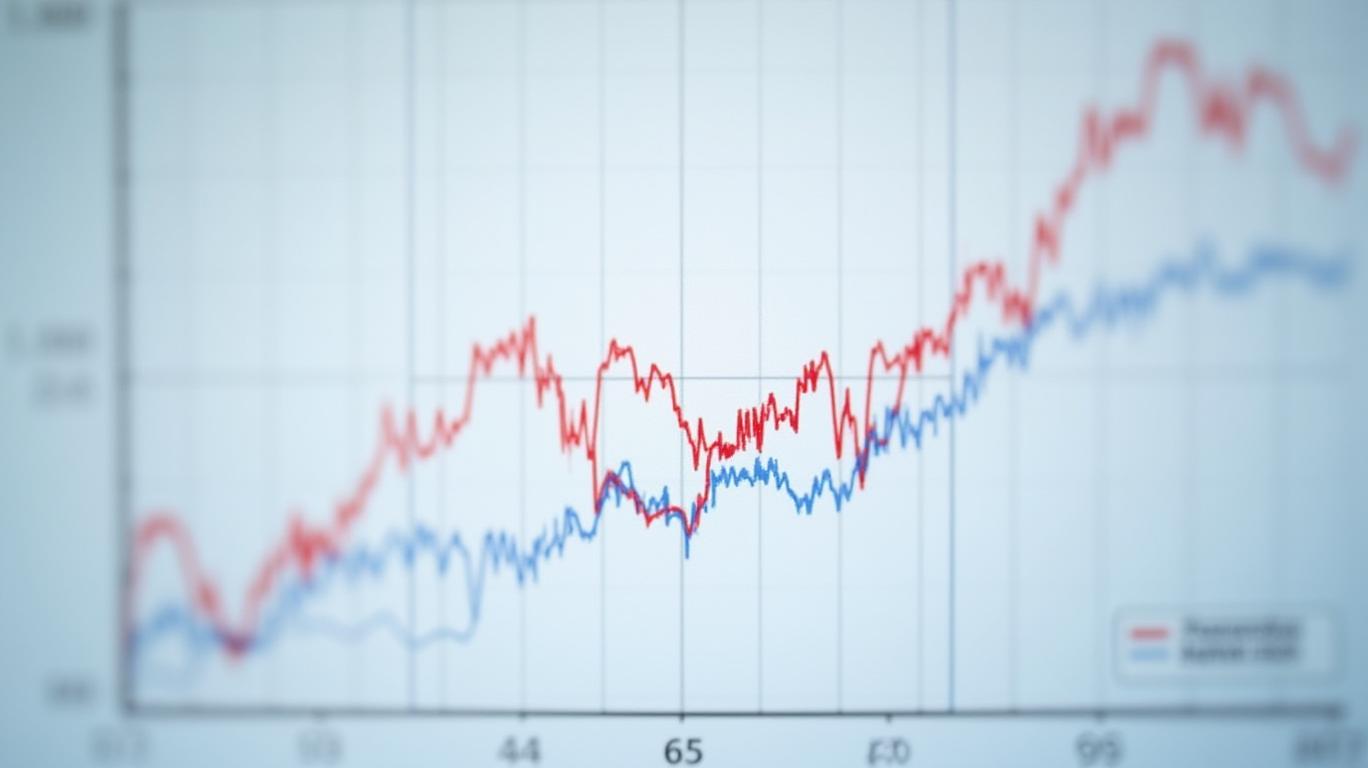
The U.S. Department of Labor reported an unexpected drop in weekly jobless claims, with the number of Americans applying for unemployment benefits falling to the lowest level since March. This news comes as a surprise, given the recent trends in the labor market, which have shown signs of weakening. Let's delve into the details and explore the potential implications of this development.
Initial jobless claims decreased by 9,000 to 211,000 last week, according to the Labor Department. The four-week moving average of claims, which smooths out week-to-week volatility, fell by 3,500 to 223,250. The overall number of people receiving unemployment benefits also declined, dropping by 52,000 to 1.84 million.
At first glance, these numbers suggest that the labor market is stronger than previously thought. However, a closer examination reveals a more complex picture. While jobless claims have been falling, other labor market indicators have been pointing to a weakening job market. For instance, job openings have been declining, and the unemployment rate has been rising, reaching levels not seen since 2021.
One possible explanation for the disconnect between falling jobless claims and other labor market indicators is the mild hurricane season. A mild hurricane season could result in fewer weather-related layoffs than usual, contributing to the low jobless claims. Additionally, employers might be holding on to their workers to avoid being short-staffed when business picks up again, even if they're reducing hours to cut labor costs.
Another factor to consider is the technical aspects of how the Bureau of Labor Statistics adjusts for seasonal layoff patterns. These adjustments might be keeping jobless claims artificially low, contributing to the discrepancy between jobless claims and other labor market indicators.
The unexpected decline in jobless claims could influence the Federal Reserve's monetary policy decisions. If the Fed perceives the labor market as stronger than anticipated, it might be more cautious about further rate cuts or even consider a pause in rate cuts. However, the rising unemployment rate and falling job openings could signal underlying issues in the labor market, such as a lack of job openings, wage stagnation, or a skills mismatch between job seekers and available positions.
In conclusion, the unexpected decline in jobless claims highlights the need for a more comprehensive assessment of the labor market's health, considering various indicators and potential underlying factors. While the falling jobless claims might suggest a stronger labor market, other indicators point to a weakening job market. The Federal Reserve should carefully analyze these indicators to make informed decisions about its monetary policy stance.
As an investor, it's essential to stay informed about the latest labor market trends and their potential impact on the broader economy. By keeping a close eye on jobless claims, unemployment rates, and job openings, you can make more informed decisions about your investment portfolio. However, it's crucial to remember that the labor market is just one piece of the puzzle, and other factors, such as inflation, economic growth, and geopolitical risks, should also be taken into account when making investment decisions.
The U.S. Department of Labor reported an unexpected drop in weekly jobless claims, with the number of Americans applying for unemployment benefits falling to the lowest level since March. This news comes as a surprise, given the recent trends in the labor market, which have shown signs of weakening. Let's delve into the details and explore the potential implications of this development.
Initial jobless claims decreased by 9,000 to 211,000 last week, according to the Labor Department. The four-week moving average of claims, which smooths out week-to-week volatility, fell by 3,500 to 223,250. The overall number of people receiving unemployment benefits also declined, dropping by 52,000 to 1.84 million.
At first glance, these numbers suggest that the labor market is stronger than previously thought. However, a closer examination reveals a more complex picture. While jobless claims have been falling, other labor market indicators have been pointing to a weakening job market. For instance, job openings have been declining, and the unemployment rate has been rising, reaching levels not seen since 2021.
One possible explanation for the disconnect between falling jobless claims and other labor market indicators is the mild hurricane season. A mild hurricane season could result in fewer weather-related layoffs than usual, contributing to the low jobless claims. Additionally, employers might be holding on to their workers to avoid being short-staffed when business picks up again, even if they're reducing hours to cut labor costs.
Another factor to consider is the technical aspects of how the Bureau of Labor Statistics adjusts for seasonal layoff patterns. These adjustments might be keeping jobless claims artificially low, contributing to the discrepancy between jobless claims and other labor market indicators.
The unexpected decline in jobless claims could influence the Federal Reserve's monetary policy decisions. If the Fed perceives the labor market as stronger than anticipated, it might be more cautious about further rate cuts or even consider a pause in rate cuts. However, the rising unemployment rate and falling job openings could signal underlying issues in the labor market, such as a lack of job openings, wage stagnation, or a skills mismatch between job seekers and available positions.
In conclusion, the unexpected decline in jobless claims highlights the need for a more comprehensive assessment of the labor market's health, considering various indicators and potential underlying factors. While the falling jobless claims might suggest a stronger labor market, other indicators point to a weakening job market. The Federal Reserve should carefully analyze these indicators to make informed decisions about its monetary policy stance.
As an investor, it's essential to stay informed about the latest labor market trends and their potential impact on the broader economy. By keeping a close eye on jobless claims, unemployment rates, and job openings, you can make more informed decisions about your investment portfolio. However, it's crucial to remember that the labor market is just one piece of the puzzle, and other factors, such as inflation, economic growth, and geopolitical risks, should also be taken into account when making investment decisions.

Divulgación editorial y transparencia de la IA: Ainvest News utiliza tecnología avanzada de Modelos de Lenguaje Largo (LLM) para sintetizar y analizar datos de mercado en tiempo real. Para garantizar los más altos estándares de integridad, cada artículo se somete a un riguroso proceso de verificación con participación humana.
Mientras la IA asiste en el procesamiento de datos y la redacción inicial, un miembro editorial profesional de Ainvest revisa, verifica y aprueba de forma independiente todo el contenido para garantizar su precisión y cumplimiento con los estándares editoriales de Ainvest Fintech Inc. Esta supervisión humana está diseñada para mitigar las alucinaciones de la IA y garantizar el contexto financiero.
Advertencia sobre inversiones: Este contenido se proporciona únicamente con fines informativos y no constituye asesoramiento profesional de inversión, legal o financiero. Los mercados conllevan riesgos inherentes. Se recomienda a los usuarios que realicen una investigación independiente o consulten a un asesor financiero certificado antes de tomar cualquier decisión. Ainvest Fintech Inc. se exime de toda responsabilidad por las acciones tomadas con base en esta información. ¿Encontró un error? Reportar un problema




Comentarios
Aún no hay comentarios