
US House to Vote on $3 Billion for Chinese Telecoms Equipment Removal
Generado por agente de IAWesley Park
sábado, 7 de diciembre de 2024, 7:15 pm ET2 min de lectura
The US House of Representatives is set to vote on a bill providing $3 billion to remove Chinese telecoms equipment, addressing national security concerns. This funding will significantly benefit US telecom companies with substantial exposure to Huawei and ZTE equipment. According to the FCC, nearly 40% of US telecom companies receiving federal support need additional funding to replace Chinese telecoms equipment. This bill, if passed, will help these companies mitigate potential security risks by facilitating the removal and replacement of insecure equipment.
The allocation of $3 billion to remove Chinese telecoms equipment will significantly impact the competitive landscape among US telecom companies. With the FCC estimating the total cost at $4.98 billion, this funding covers approximately 60% of the required amount. This partial funding will disproportionately affect smaller companies with 2 million or fewer customers, who are receiving only 39.5% of replacement costs. Larger companies with more resources may be better equipped to cover the remaining costs, potentially gaining a strategic advantage. However, the funding shortfall may also lead to network shutdowns or withdrawals from the program, particularly in rural areas, which could eliminate the only provider in some regions. This could create opportunities for other providers to expand their networks and gain market share. In summary, while the funding will help mitigate national security concerns, it may also reshape the competitive landscape among US telecom companies.
The additional $3 billion funding will significantly accelerate the timeline for removing Chinese telecoms equipment. With the initial $1.9 billion only covering 38% of the estimated $4.98 billion needed, the new funding brings the total to $4.9 billion, fully meeting the requirement. This means beneficiary companies can now proceed with their plans to remove and replace the equipment without delay, ensuring national security and network stability.
The potential national security implications of the funding shortfall are significant. If the shortfall is not addressed, rural networks may shut down, leaving regions without mobile broadband service and raising national security concerns due to insecure equipment remaining in networks. The additional funding of $3 billion will mitigate these risks by enabling telecom companies to fully remove, replace, and dispose of covered equipment and services, enhancing network security and ensuring continuous mobile broadband service in rural areas.
The extension of the deadline for removing Chinese telecoms equipment will likely increase the overall cost of the "rip and replace" program. According to the FCC, the initial estimated cost was $4.98 billion, with Congress approving $1.9 billion. The funding shortfall of $3.08 billion has led to a prorated support of only 39.5% of reasonable costs for Priority 1 applicants, who serve rural and remote areas. With the extension, more time is needed to complete the removal, replacement, and disposal of covered equipment, potentially increasing the overall cost.
The potential economic impacts on rural and remote areas could be significant if some telecom providers are forced to shut down their networks due to the funding shortfall. According to the FCC, these providers may be the only mobile broadband service provider in some regions, eliminating the only provider in those areas. This could lead to a digital divide, hindering access to essential services like healthcare, education, and emergency services. Additionally, it could negatively impact local businesses, tourism, and economic development, as reliable connectivity is crucial for modern operations and communication.
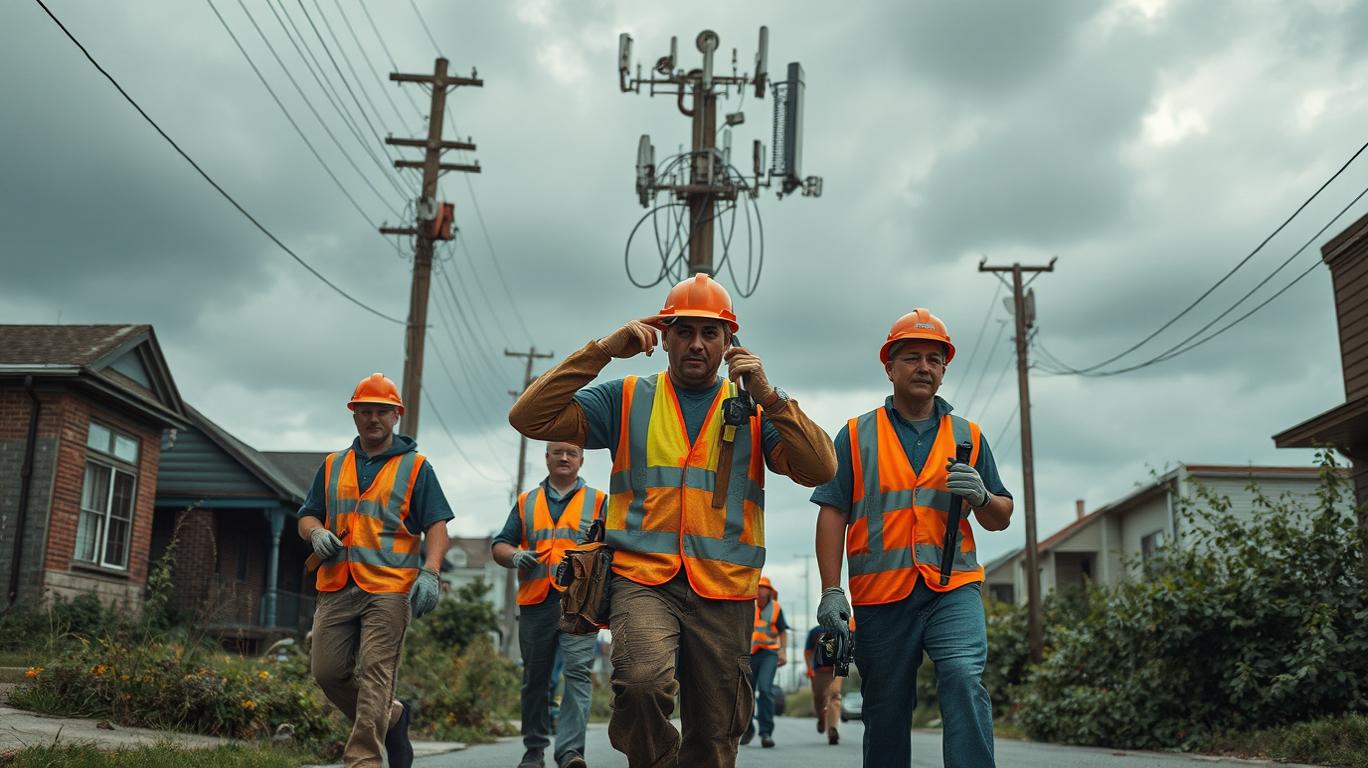
In conclusion, the US House's vote to provide $3 billion for removing Chinese telecoms equipment is a crucial step in addressing national security concerns and ensuring network stability. While the funding will have implications for the competitive landscape among US telecom companies, it will also mitigate potential risks and enhance network security. As the deadline for removing Chinese telecoms equipment approaches, it is essential for the US government to fully fund the "rip and replace" program to prevent network shutdowns and economic impacts on rural and remote areas.



Divulgación editorial y transparencia de la IA: Ainvest News utiliza tecnología avanzada de Modelos de Lenguaje Largo (LLM) para sintetizar y analizar datos de mercado en tiempo real. Para garantizar los más altos estándares de integridad, cada artículo se somete a un riguroso proceso de verificación con participación humana.
Mientras la IA asiste en el procesamiento de datos y la redacción inicial, un miembro editorial profesional de Ainvest revisa, verifica y aprueba de forma independiente todo el contenido para garantizar su precisión y cumplimiento con los estándares editoriales de Ainvest Fintech Inc. Esta supervisión humana está diseñada para mitigar las alucinaciones de la IA y garantizar el contexto financiero.
Advertencia sobre inversiones: Este contenido se proporciona únicamente con fines informativos y no constituye asesoramiento profesional de inversión, legal o financiero. Los mercados conllevan riesgos inherentes. Se recomienda a los usuarios que realicen una investigación independiente o consulten a un asesor financiero certificado antes de tomar cualquier decisión. Ainvest Fintech Inc. se exime de toda responsabilidad por las acciones tomadas con base en esta información. ¿Encontró un error? Reportar un problema


SOBRE NOSOTROS
Nuestra historiaAutores de noticiasBase de conocimientosPolítica de privacidadTérmino de usoDescargo de responsabilidad de corretaje de tercerosTérminos de uso de AIMEDivulgaciones de riesgos de AInvest AICarrerasCONTÁCTENOS
Email: support@ainvest.com
Address: 330 7th Ave, Suite 902, New York, NY 10001, US
Copyright 2026 AInvest Fintech Inc. All rights reserved.


Comentarios
Aún no hay comentarios