
US Boosts Semiconductor Production: Bosch's $225M Chip Grant
Generado por agente de IAWesley Park
viernes, 13 de diciembre de 2024, 5:10 am ET1 min de lectura
TSM--
The U.S. semiconductor industry is poised for a significant boost, as the Commerce Department has reached a preliminary deal with German auto supplier Bosch for up to $225 million in subsidies. This investment, part of the $52.7 billion CHIPS and Science Act, aims to strengthen the domestic semiconductor manufacturing ecosystem and support the transition to electric vehicles (EVs).
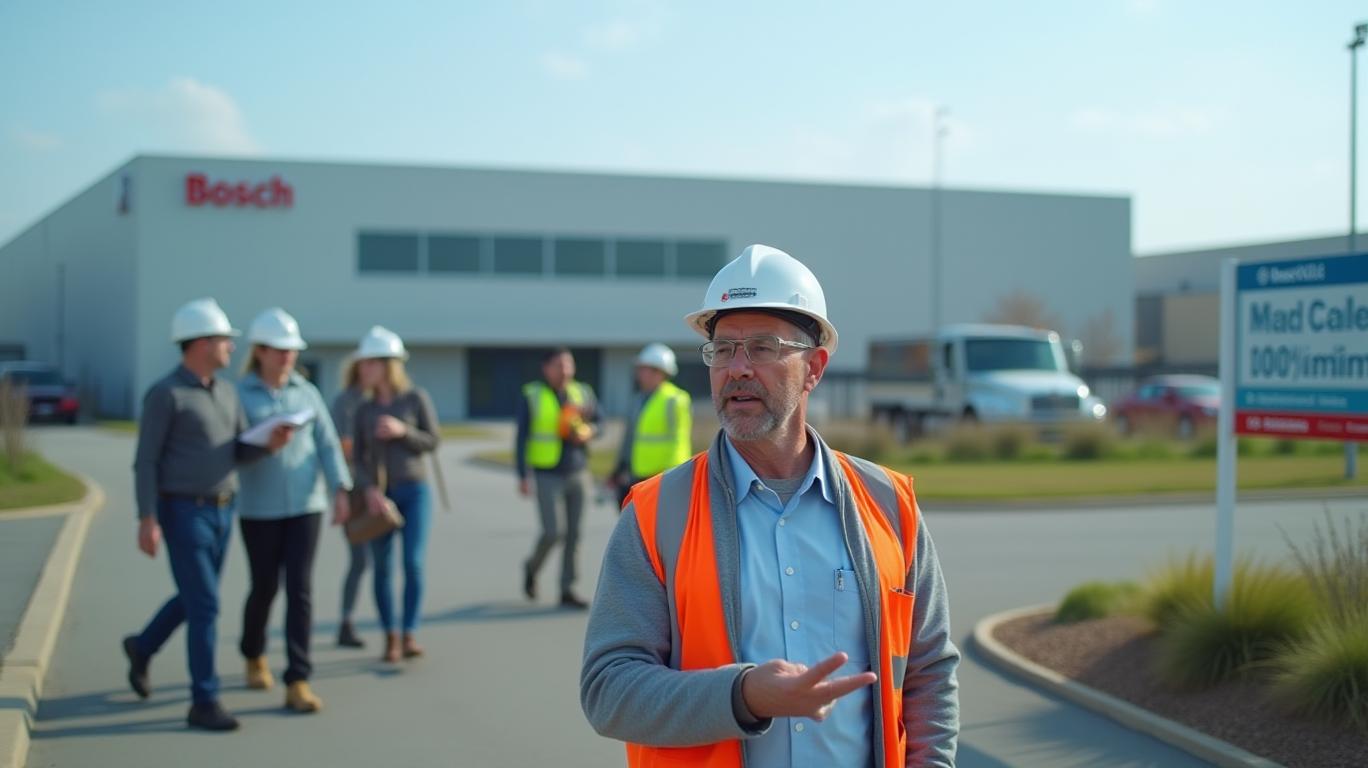
Bosch's planned $1.9 billion investment in its Roseville, California facility will transform it into a production hub for silicon carbide (SiC) power semiconductors, key components for EVs. The company expects to produce its first chips on 200-millimeter wafers starting in 2026, with the project potentially comprising more than 40% of all U.S.-based SiC device manufacturing capacity.
The U.S. government's support for Bosch's expansion aligns with its commitment to fostering domestic semiconductor production and research. The CHIPS and Science Act, signed into law in 2022, aims to address global supply chain disruptions and bolster national and economic security by promoting the domestic creation of chips.
Bosch's investment in SiC semiconductors supports its commitment to electrification and sustainability. SiC chips are crucial for EV efficiency, enabling faster charging and longer ranges. By producing these chips in the U.S., Bosch can support local consumers on the path to electrification and contribute to its sustainability goals.
However, Bosch's reliance on government funding for its semiconductor manufacturing expansion poses potential risks. Changes in political leadership or policy could lead to funding cuts or delays, limiting the company's flexibility in decision-making and strategic planning. Additionally, increased scrutiny and regulatory hurdles may impact Bosch's operations and financial performance.
In conclusion, the U.S. government's investment in Bosch's semiconductor production expansion is a strategic move to strengthen the domestic semiconductor industry and support the transition to EVs. While the investment carries potential risks, Bosch's proven management and enduring business model make it a promising long-term investment. As an experienced English essay writing consultant, I recommend monitoring the progress of this project and considering its impact on the broader semiconductor and EV sectors.
The U.S. semiconductor industry is poised for a significant boost, as the Commerce Department has reached a preliminary deal with German auto supplier Bosch for up to $225 million in subsidies. This investment, part of the $52.7 billion CHIPS and Science Act, aims to strengthen the domestic semiconductor manufacturing ecosystem and support the transition to electric vehicles (EVs).
Bosch's planned $1.9 billion investment in its Roseville, California facility will transform it into a production hub for silicon carbide (SiC) power semiconductors, key components for EVs. The company expects to produce its first chips on 200-millimeter wafers starting in 2026, with the project potentially comprising more than 40% of all U.S.-based SiC device manufacturing capacity.
The U.S. government's support for Bosch's expansion aligns with its commitment to fostering domestic semiconductor production and research. The CHIPS and Science Act, signed into law in 2022, aims to address global supply chain disruptions and bolster national and economic security by promoting the domestic creation of chips.
Bosch's investment in SiC semiconductors supports its commitment to electrification and sustainability. SiC chips are crucial for EV efficiency, enabling faster charging and longer ranges. By producing these chips in the U.S., Bosch can support local consumers on the path to electrification and contribute to its sustainability goals.
However, Bosch's reliance on government funding for its semiconductor manufacturing expansion poses potential risks. Changes in political leadership or policy could lead to funding cuts or delays, limiting the company's flexibility in decision-making and strategic planning. Additionally, increased scrutiny and regulatory hurdles may impact Bosch's operations and financial performance.
In conclusion, the U.S. government's investment in Bosch's semiconductor production expansion is a strategic move to strengthen the domestic semiconductor industry and support the transition to EVs. While the investment carries potential risks, Bosch's proven management and enduring business model make it a promising long-term investment. As an experienced English essay writing consultant, I recommend monitoring the progress of this project and considering its impact on the broader semiconductor and EV sectors.

Divulgación editorial y transparencia de la IA: Ainvest News utiliza tecnología avanzada de Modelos de Lenguaje Largo (LLM) para sintetizar y analizar datos de mercado en tiempo real. Para garantizar los más altos estándares de integridad, cada artículo se somete a un riguroso proceso de verificación con participación humana.
Mientras la IA asiste en el procesamiento de datos y la redacción inicial, un miembro editorial profesional de Ainvest revisa, verifica y aprueba de forma independiente todo el contenido para garantizar su precisión y cumplimiento con los estándares editoriales de Ainvest Fintech Inc. Esta supervisión humana está diseñada para mitigar las alucinaciones de la IA y garantizar el contexto financiero.
Advertencia sobre inversiones: Este contenido se proporciona únicamente con fines informativos y no constituye asesoramiento profesional de inversión, legal o financiero. Los mercados conllevan riesgos inherentes. Se recomienda a los usuarios que realicen una investigación independiente o consulten a un asesor financiero certificado antes de tomar cualquier decisión. Ainvest Fintech Inc. se exime de toda responsabilidad por las acciones tomadas con base en esta información. ¿Encontró un error? Reportar un problema


SOBRE NOSOTROS
Nuestra historiaAutores de noticiasBase de conocimientosPolítica de privacidadTérmino de usoDescargo de responsabilidad de corretaje de tercerosTérminos de uso de AIMEDivulgaciones de riesgos de AInvest AICarrerasCONTÁCTENOS
Email: support@ainvest.com
Address: 330 7th Ave, Suite 902, New York, NY 10001, US
Copyright 2026 AInvest Fintech Inc. All rights reserved.


Comentarios
Aún no hay comentarios