
Uranium Abundance: Investments Key to Nuclear Expansion
Generado por agente de IACyrus Cole
jueves, 10 de abril de 2025, 11:16 pm ET2 min de lectura
The latest edition of the "Red Book," a comprehensive global reference prepared jointly by the Organisation for Economic Co-operation and Development Nuclear Energy Agency (NEA) and the International Atomic Energy Agency (IAEA), reveals that sufficient uranium resources exist to support both the continued use of nuclear power and its significant growth through 2050 and beyond. However, the report underscores the necessity of timely investments in new exploration, mining operations, and processing techniques to ensure that uranium becomes available to the market when needed.
The 2024 edition of the Red Book provides a detailed statistical profile of the global uranium industry, covering the calendar years 2021 and 2022. It features data on uranium exploration, resources, and production, as well as 62 country profiles offering insights into mine development plans, environmental and social dimensions of uranium mining, and national regulations and policies.
As of January 1, 2023, global identified recoverable uranium resources amounted to 7,934,500 tonnes. These resources represent all reasonably assured and inferred uranium resources that could be recovered at market prices ranging from $40 to $260 USD/KgU. While this represents an increase of less than 0.5% compared to the total reported in the 2022 edition, the report suggests that additions to the uranium resource base could arise from undiscovered or unconventional sources, driven by the sharp rise in uranium spot prices since mid-2021 and the commitment to triple nuclear energy capacity by 2050.
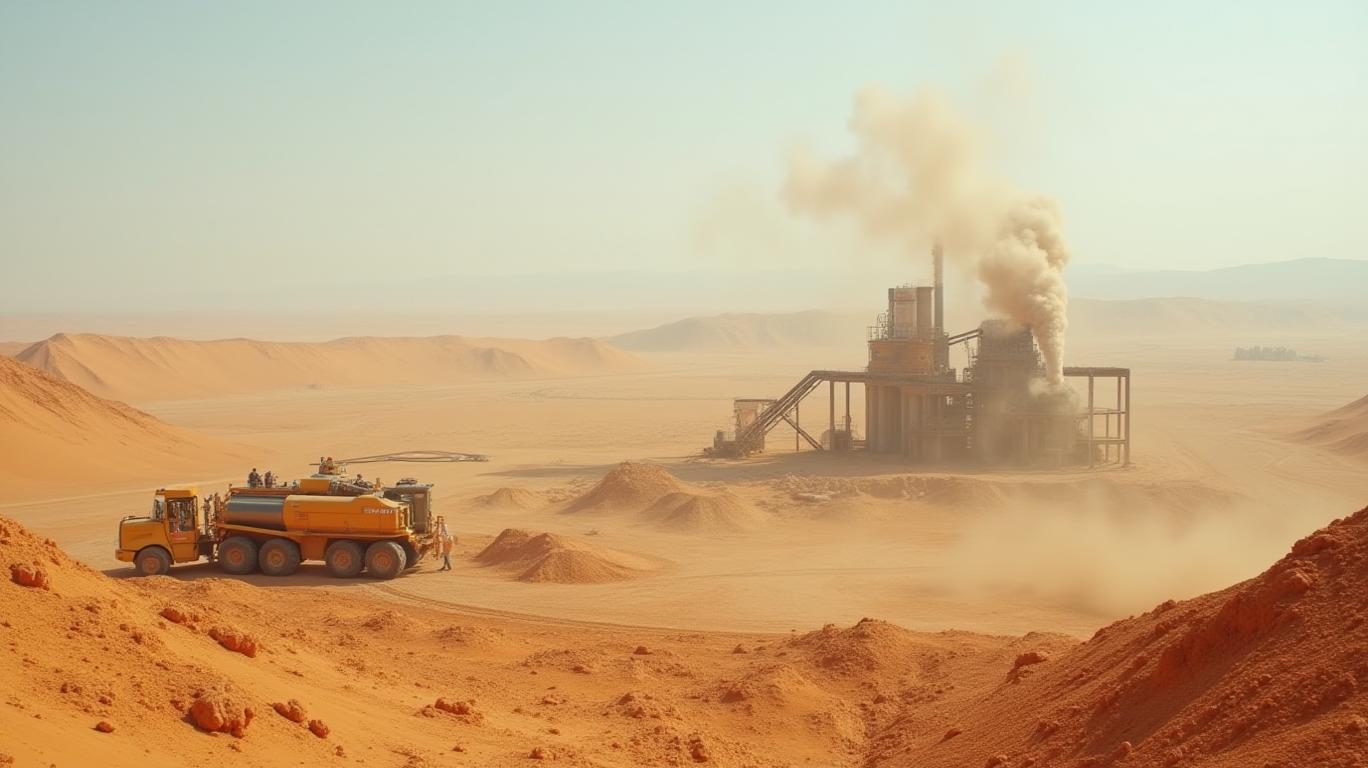
Worldwide domestic exploration and mine development expenditures have increased dramatically after a period of decline due to poor market conditions and the COVID-19 pandemic. Annual expenditures reached USD 800 million in 2022 and preliminary data for 2023 suggest a further increase to USD 840 million. This trend indicates a growing recognition of the need for new exploration to discover and develop additional uranium resources.
The Red Book also provides projections for nuclear power installed capacity and uranium requirements through 2050, outlining both low-growth and high-growth scenarios. According to these projections, the uranium resource base is sufficient to meet the needs of a high-growth nuclear capacity through 2050 and beyond. However, this will require essential investments in new exploration, improved processing techniques, and new production centers to replenish reserves.
Production increased 4% between 2020 and 2022, and the report suggests that this increase will likely continue in coming years. The establishment of new production centers is anticipated to encounter significant lead times due to today's risk-averse investment climate, complex and lengthy regulatory processes in many uranium mining jurisdictions, and geopolitical challenges and technical difficulties related to developing new mines and milling facilities. As a result, efforts must begin immediately to ensure adequate uranium supplies are available in the medium term.
The report highlights the importance of public-private partnerships and new financial mechanisms in scaling up nuclear energy. For example, it states that "tripling nuclear capacity by 2050 requires annual investments to grow from $50 billion to $150 billion, driven by public-private partnerships and new financial mechanisms." This indicates that the availability of financing and the willingness of governments and private investors to support nuclear energy projects will play a crucial role in determining which scenario becomes a reality.
In summary, while sufficient uranium resources exist to support the continued use of nuclear power and its significant growth through 2050 and beyond, timely investments in new exploration, mining operations, and processing techniques are essential to ensure that uranium becomes available to the market when needed. The transition from a low-growth to a high-growth scenario will depend on factors such as investment in exploration and mining, government and private sector commitment, and the availability of financing.



Divulgación editorial y transparencia de la IA: Ainvest News utiliza tecnología avanzada de Modelos de Lenguaje Largo (LLM) para sintetizar y analizar datos de mercado en tiempo real. Para garantizar los más altos estándares de integridad, cada artículo se somete a un riguroso proceso de verificación con participación humana.
Mientras la IA asiste en el procesamiento de datos y la redacción inicial, un miembro editorial profesional de Ainvest revisa, verifica y aprueba de forma independiente todo el contenido para garantizar su precisión y cumplimiento con los estándares editoriales de Ainvest Fintech Inc. Esta supervisión humana está diseñada para mitigar las alucinaciones de la IA y garantizar el contexto financiero.
Advertencia sobre inversiones: Este contenido se proporciona únicamente con fines informativos y no constituye asesoramiento profesional de inversión, legal o financiero. Los mercados conllevan riesgos inherentes. Se recomienda a los usuarios que realicen una investigación independiente o consulten a un asesor financiero certificado antes de tomar cualquier decisión. Ainvest Fintech Inc. se exime de toda responsabilidad por las acciones tomadas con base en esta información. ¿Encontró un error? Reportar un problema


SOBRE NOSOTROS
Nuestra historiaAutores de noticiasBase de conocimientosPolítica de privacidadTérmino de usoDescargo de responsabilidad de corretaje de tercerosTérminos de uso de AIMEDivulgaciones de riesgos de AInvest AICarrerasCONTÁCTENOS
Email: support@ainvest.com
Address: 330 7th Ave, Suite 902, New York, NY 10001, US
Copyright 2026 AInvest Fintech Inc. All rights reserved.


Comentarios
Aún no hay comentarios