
UPI-Driven Crypto Adoption in India: A New Frontier for Projects Like Noomez ($NNZ)
UPI's Dominance and Structural Challenges
UPI's success is underpinned by its ubiquity. By October 2025, the platform had 300 million active users, processing over 18 billion monthly transactions, according to SwarajyaMag (SwarajyaMag). However, this growth has come at the cost of market concentration: over 80% of UPI transaction volume is controlled by just two third-party app providers (TPAPs), raising concerns about systemic risks and stifled competition; the India Fintech Foundation has called for policy interventions, such as capping incentives for dominant players and fostering partnerships with smaller TPAPs, to ensure a level playing field (India Fintech Foundation). These challenges highlight the need for crypto projects to navigate UPI's ecosystem carefully, leveraging its scale while mitigating dependency on a few gatekeepers.
UPI as a Catalyst for Crypto Adoption
India's position as the global leader in crypto adoption in 2025-ranking first in retail and institutional participation, decentralized finance (DeFi) engagement, and transaction volume-underscores the synergy between UPI and crypto, according to Economic Times' BFSI coverage (Economic Times BFSI). The country's 69% year-on-year increase in crypto transaction value (from $1.4 trillion to $2.36 trillion) aligns with UPI's expansion into low-ticket, everyday transactions, such as grocery purchases and utility payments. For crypto projects, this means a ready-made user base accustomed to digital transactions, reducing the friction typically associated with onboarding new users to blockchain-based systems.
Noomez ($NNZ), like many crypto projects, could benefit from UPI's infrastructure by integrating its services into existing payment flows. While no direct announcements about Noomez's UPI partnerships have emerged, the broader trend of cross-border UPI adoption-such as Razorpay's collaboration with NPCI International Payments Limited to enable UPI payments in Malaysia-demonstrates how Indian fintechs are extending their reach (Razorpay collaboration). For Noomez, similar partnerships could facilitate seamless fiat-to-crypto conversions, leveraging UPI's 300 million users as a bridge to crypto adoption.
Innovation and the Next Phase of Growth
The next frontier for UPI lies in biometric authentication and "chat and pay" features, which aim to further simplify transactions for India's diverse demographics, according to a Hindu BusinessLine report (Hindu BusinessLine). These innovations could directly benefit crypto projects by enabling secure, user-friendly on-ramps. For instance, biometric authentication could streamline KYC processes for crypto exchanges, while chat-based payments could integrate crypto wallets into messaging apps, aligning with India's preference for instant, low-effort transactions.
However, the path is not without hurdles. The dominance of two TPAPs in UPI's ecosystem could limit access for smaller players, including crypto startups. Regulatory clarity around crypto's role within UPI's framework will also be critical. While India's 2025 crypto adoption surge suggests a tolerant regulatory environment, any policy shifts could disrupt the current trajectory.
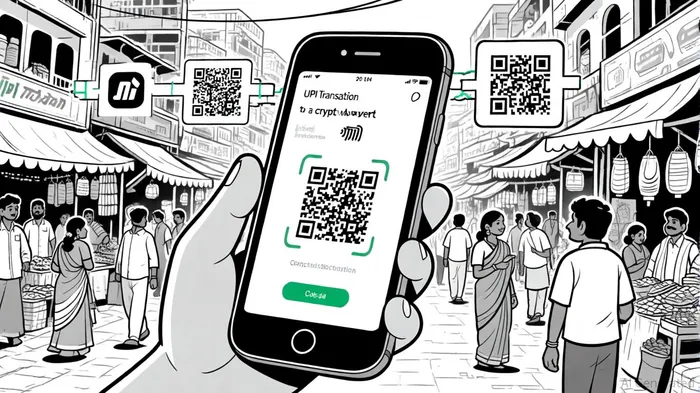
Strategic Implications for Investors
For investors, the UPI-driven crypto landscape in India presents a dual opportunity:
1. Infrastructure Leverage: Projects that integrate with UPI's existing user base and partnerships (e.g., Razorpay's cross-border initiatives) can bypass traditional onboarding challenges.
2. Regulatory Resilience: Firms that advocate for decentralized, open-source solutions within UPI's framework may mitigate risks associated with market concentration.
Noomez ($NNZ) and similar projects must also address India's unique consumer behavior. While UPI dominates small-ticket transactions, crypto adoption often hinges on larger, value-preserving use cases. Bridging this gap-through stablecoin integrations, DeFi yield opportunities, or cross-border remittances-could unlock UPI's full potential for crypto.
Conclusion
India's UPI infrastructure is more than a payment system; it's a cultural and technological backbone for the next wave of financial innovation. For crypto projects like Noomez, the challenge lies in aligning with UPI's strengths while navigating its structural limitations. As the India Fintech Foundation and regulators work to address market concentration, the stage is set for a new era where UPI and crypto coexist, driving financial inclusion and innovation. Investors who recognize this synergy early may find themselves at the forefront of a transformative market.







Comentarios
Aún no hay comentarios