
Unveiling the Mechanics of Money Orders: A Safe Haven in a Digital World
Generado por agente de IAHarrison Brooks
domingo, 16 de marzo de 2025, 4:24 pm ET2 min de lectura
WMT--
In the ever-evolving landscape of financial transactions, money orders stand as a steadfast alternative to the volatility of cash and the uncertainty of personal checks. As we delve into the intricacies of how money orders work, it becomes evident that their simplicity and security make them an indispensable tool in our financial arsenal. Let's embark on a journey to understand the mechanics, advantages, and potential pitfalls of money orders, and why they remain relevant in an era dominated by digital payments.
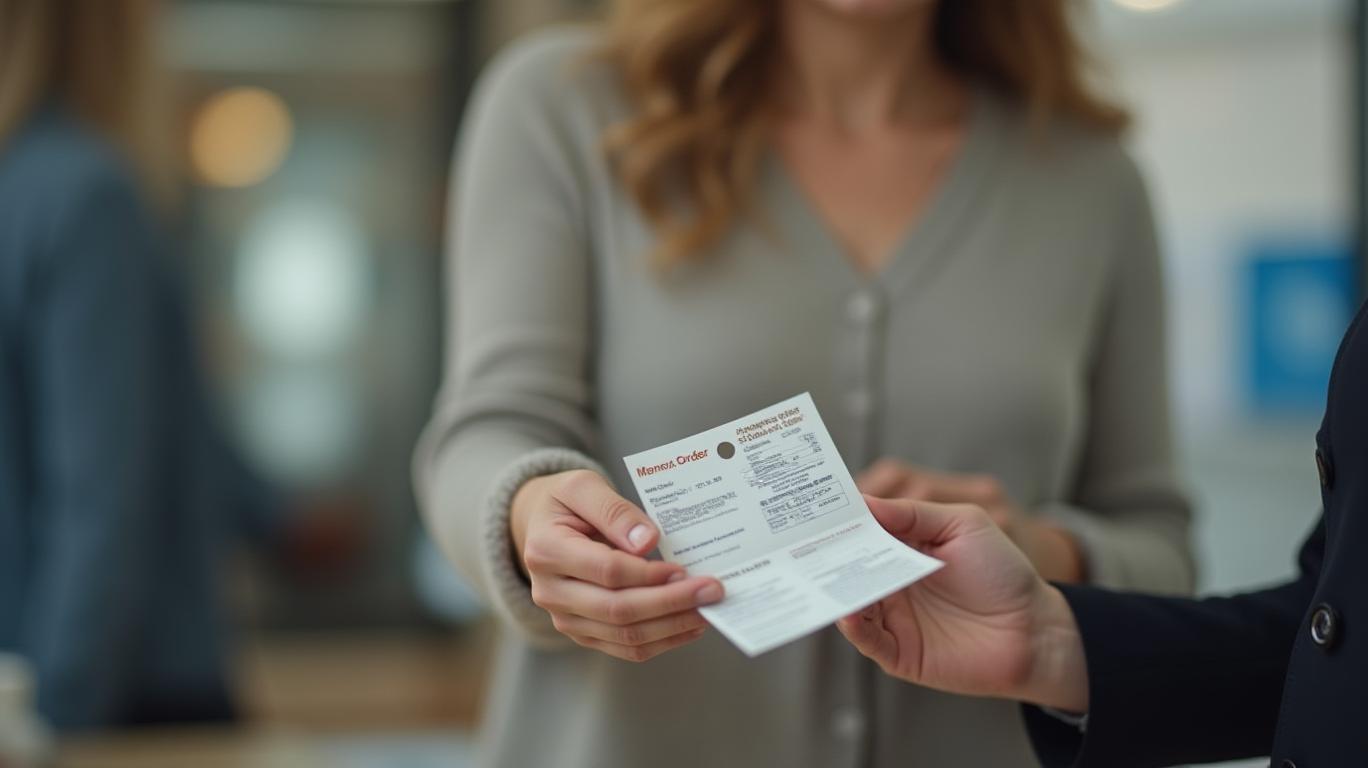
The Anatomy of a Money Order
At its core, a money order is a prepaid financial instrument that guarantees payment to the recipient. Unlike checks, which can bounce due to insufficient funds, money orders are paid in full at the time of purchase. This prepaid nature ensures that the recipient receives the exact amount specified, making money orders a reliable choice for large transactions.
The process of obtaining a money order is straightforward. You can purchase one from various establishments, including banks, post offices, retail stores like WalmartWMT--, and even online vendors. The fees associated with money orders vary depending on the provider, with post offices and retail stores generally offering the most competitive rates. For instance, the U.S. Postal Service charges a mere $2.35 for money orders up to $500, while Walmart offers them for as little as $1.
The Security Advantage
One of the primary advantages of money orders is their enhanced security features. Money orders are equipped with specific design elements and watermarks that make them difficult to counterfeit. For example, U.S. Postal Service money orders come with intricate watermarks of BenBEN-- Franklin and a vertical, multicolored security thread with the letters “USPS” woven into the paper. These features, along with verification systems like the Money Order Verification System and the U.S. Postal Inspection Service, ensure that money orders are legitimate and secure.
The Fees and Limitations
While money orders offer numerous benefits, they are not without their drawbacks. The fees associated with purchasing money orders can add up, especially for larger amounts. Additionally, money orders typically have a maximum limit, often around $1,000, which can be a disadvantage if you need to send a larger sum. Furthermore, recovering lost or stolen money orders can be a lengthy and costly process, with a processing fee of $20.15 and an investigation period that can take up to 60 days.
The Ethical Dilemma
The use of money orders raises an ethical dilemma: while they provide a secure and widely accepted method of payment, they also come with fees and limitations that can be burdensome for consumers. This dilemma is exacerbated by the fact that money orders are often used by individuals who do not have access to traditional banking services, making them a lifeline for the unbanked and underbanked.
In conclusion, money orders are a vital tool in our financial toolkit, offering security and reliability in an era of digital payments. However, their fees and limitations highlight the need for a more equitableEQH-- financial system that caters to the needs of all consumers, regardless of their access to traditional banking services. As we continue to navigate the complexities of modern finance, let us strive for a system that prioritizes security, accessibility, and fairness for all.
In the ever-evolving landscape of financial transactions, money orders stand as a steadfast alternative to the volatility of cash and the uncertainty of personal checks. As we delve into the intricacies of how money orders work, it becomes evident that their simplicity and security make them an indispensable tool in our financial arsenal. Let's embark on a journey to understand the mechanics, advantages, and potential pitfalls of money orders, and why they remain relevant in an era dominated by digital payments.
The Anatomy of a Money Order
At its core, a money order is a prepaid financial instrument that guarantees payment to the recipient. Unlike checks, which can bounce due to insufficient funds, money orders are paid in full at the time of purchase. This prepaid nature ensures that the recipient receives the exact amount specified, making money orders a reliable choice for large transactions.
The process of obtaining a money order is straightforward. You can purchase one from various establishments, including banks, post offices, retail stores like WalmartWMT--, and even online vendors. The fees associated with money orders vary depending on the provider, with post offices and retail stores generally offering the most competitive rates. For instance, the U.S. Postal Service charges a mere $2.35 for money orders up to $500, while Walmart offers them for as little as $1.
The Security Advantage
One of the primary advantages of money orders is their enhanced security features. Money orders are equipped with specific design elements and watermarks that make them difficult to counterfeit. For example, U.S. Postal Service money orders come with intricate watermarks of BenBEN-- Franklin and a vertical, multicolored security thread with the letters “USPS” woven into the paper. These features, along with verification systems like the Money Order Verification System and the U.S. Postal Inspection Service, ensure that money orders are legitimate and secure.
The Fees and Limitations
While money orders offer numerous benefits, they are not without their drawbacks. The fees associated with purchasing money orders can add up, especially for larger amounts. Additionally, money orders typically have a maximum limit, often around $1,000, which can be a disadvantage if you need to send a larger sum. Furthermore, recovering lost or stolen money orders can be a lengthy and costly process, with a processing fee of $20.15 and an investigation period that can take up to 60 days.
The Ethical Dilemma
The use of money orders raises an ethical dilemma: while they provide a secure and widely accepted method of payment, they also come with fees and limitations that can be burdensome for consumers. This dilemma is exacerbated by the fact that money orders are often used by individuals who do not have access to traditional banking services, making them a lifeline for the unbanked and underbanked.
In conclusion, money orders are a vital tool in our financial toolkit, offering security and reliability in an era of digital payments. However, their fees and limitations highlight the need for a more equitableEQH-- financial system that caters to the needs of all consumers, regardless of their access to traditional banking services. As we continue to navigate the complexities of modern finance, let us strive for a system that prioritizes security, accessibility, and fairness for all.

Divulgación editorial y transparencia de la IA: Ainvest News utiliza tecnología avanzada de Modelos de Lenguaje Largo (LLM) para sintetizar y analizar datos de mercado en tiempo real. Para garantizar los más altos estándares de integridad, cada artículo se somete a un riguroso proceso de verificación con participación humana.
Mientras la IA asiste en el procesamiento de datos y la redacción inicial, un miembro editorial profesional de Ainvest revisa, verifica y aprueba de forma independiente todo el contenido para garantizar su precisión y cumplimiento con los estándares editoriales de Ainvest Fintech Inc. Esta supervisión humana está diseñada para mitigar las alucinaciones de la IA y garantizar el contexto financiero.
Advertencia sobre inversiones: Este contenido se proporciona únicamente con fines informativos y no constituye asesoramiento profesional de inversión, legal o financiero. Los mercados conllevan riesgos inherentes. Se recomienda a los usuarios que realicen una investigación independiente o consulten a un asesor financiero certificado antes de tomar cualquier decisión. Ainvest Fintech Inc. se exime de toda responsabilidad por las acciones tomadas con base en esta información. ¿Encontró un error? Reportar un problema


SOBRE NOSOTROS
Nuestra historiaAutores de noticiasBase de conocimientosPolítica de privacidadTérmino de usoDescargo de responsabilidad de corretaje de tercerosTérminos de uso de AIMEDivulgaciones de riesgos de AInvest AICarrerasCONTÁCTENOS
Email: support@ainvest.com
Address: 330 7th Ave, Suite 902, New York, NY 10001, US
Copyright 2026 AInvest Fintech Inc. All rights reserved.


Comentarios
Aún no hay comentarios