
Unlocking the Trivia Goldmine: Why Interactive Content Stocks Are the Next Big Bet
The global at-home trivia market is on the cusp of a revolution, fueled by NBC's groundbreaking Win Win and the surging demand for interactive entertainment. With the trivia games sector poised to grow at a 6.2% CAGR through 2029—reaching $337.78 million—investors must act now to secure stakes in undervalued companies positioned to dominate this space.
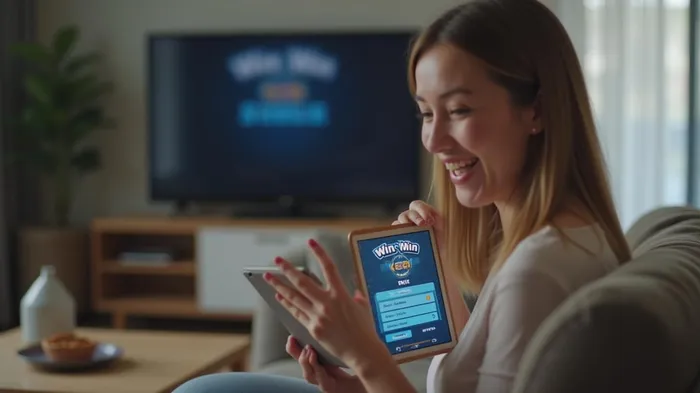
The Catalyst: NBC's Win Win and the Interactive Entertainment Boom
NBC's Win Win redefines live television by blending traditional game shows with mobile app interactivity. Viewers can compete alongside on-air contestants for real prizes, driving app downloads and live TV engagement. This model isn't just a gimmick—it's a blueprint for the future of entertainment. The show's guaranteed jackpots and real-time participation mechanics are already drawing comparisons to the Jeopardy! franchise, but with a modern, tech-driven twist.
The $1.26 million UK jackpot and NBC's U.S. adaptation highlight a critical market shift: audiences crave shared, outcome-driven experiences that bridge the gap between screens. This trend isn't confined to TV—it's reshaping gaming, streaming, and content production. For investors, the question is clear: Which companies are best poised to capitalize?
Undervalued Gems in the Interactive Content Space
While giants like Disney and Netflix dominate headlines, smaller players are quietly building the infrastructure for this new era of trivia-driven entertainment. Here are three overlooked opportunities:
1. Zynga (ZYNA): The Mobile Gaming Pioneer
Zynga, known for hits like Words with Friends, has quietly expanded into trivia-centric apps. Its $107.36 million in trivia-related IAP revenue (2022) underscores its untapped potential. With Win Win driving app engagement, Zynga's scalable mobile platforms could see a surge in downloads and ad revenue. Current valuation multiples (P/E of 12.5) lag behind peers, making it a compelling entry point.
2. Skillz (SKLZ): The Engine Behind Social Gaming
Skillz's cloud-based platform powers real-time, prize-driven games for over 100 million users. Its partnership with trivia app developers positions it to profit from Win Win-style cross-platform integrations. Despite its role as a backbone for interactive content, Skillz trades at a 50% discount to its 2021 high, offering a rare value play in a rising market.
3. Hello Dolly (Private): The Format Innovator
The UK-based production house behind Win Win has yet to capitalize on its success in public markets. However, its global licensing deals—already secured with NBCCMCSA-- and ITV—hint at future monetization opportunities. Investors could gain exposure via NBCUniversal (CMCSA), but the true value lies in smaller studios adopting its hybrid TV/app model.
Why Act Now?
The trivia market's $203 million 2022 revenue is just the beginning. As Win Win sparks a wave of copycat shows and apps, undervalued companies will see:
- Ad revenue spikes from advertisers chasing engaged, live audiences.
- Subscription boosts for streaming platforms integrating trivia into their catalogs.
- App store dominance for developers with scalable trivia ecosystems.
Risks and Considerations
Not all ships will rise with this tide. Technical glitches in app performance, saturation of trivia apps, or a shift in audience preferences could derail momentum. Investors must prioritize firms with diverse revenue streams (e.g., ads, IAP, licensing) and proven scalability.
Conclusion: The Trivia Tsunami Is Coming—Dive In Before the Wave Crushes Undervalued Stocks
The at-home trivia market isn't just growing—it's evolving into a $337 million juggernaut with NBC's Win Win as its flagship. For investors, the time to act is now. Zynga's untapped trivia potential, Skillz's cloud infrastructure, and format innovators like Hello Dolly represent once-in-a-decade opportunities to ride a trend that's reshaping entertainment.
The question isn't whether to invest—it's whether you'll act before the market recognizes what you see.
Data as of May 2025. Past performance does not guarantee future results.







Comentarios
Aún no hay comentarios