
Unlocking the Power of Small Personal Loans: Your Financial Game Changer!
Generado por agente de IAWesley Park
miércoles, 2 de abril de 2025, 4:54 am ET3 min de lectura
Listen up, folks! Today, we're diving into the world of small personal loans. These aren't your average, run-of-the-mill loans. No, no, no! These are the financial tools that can make or break your financial stability. So, buckle up and get ready to learn how to harness the power of small personal loans to your advantage!
What is a Small Personal Loan?
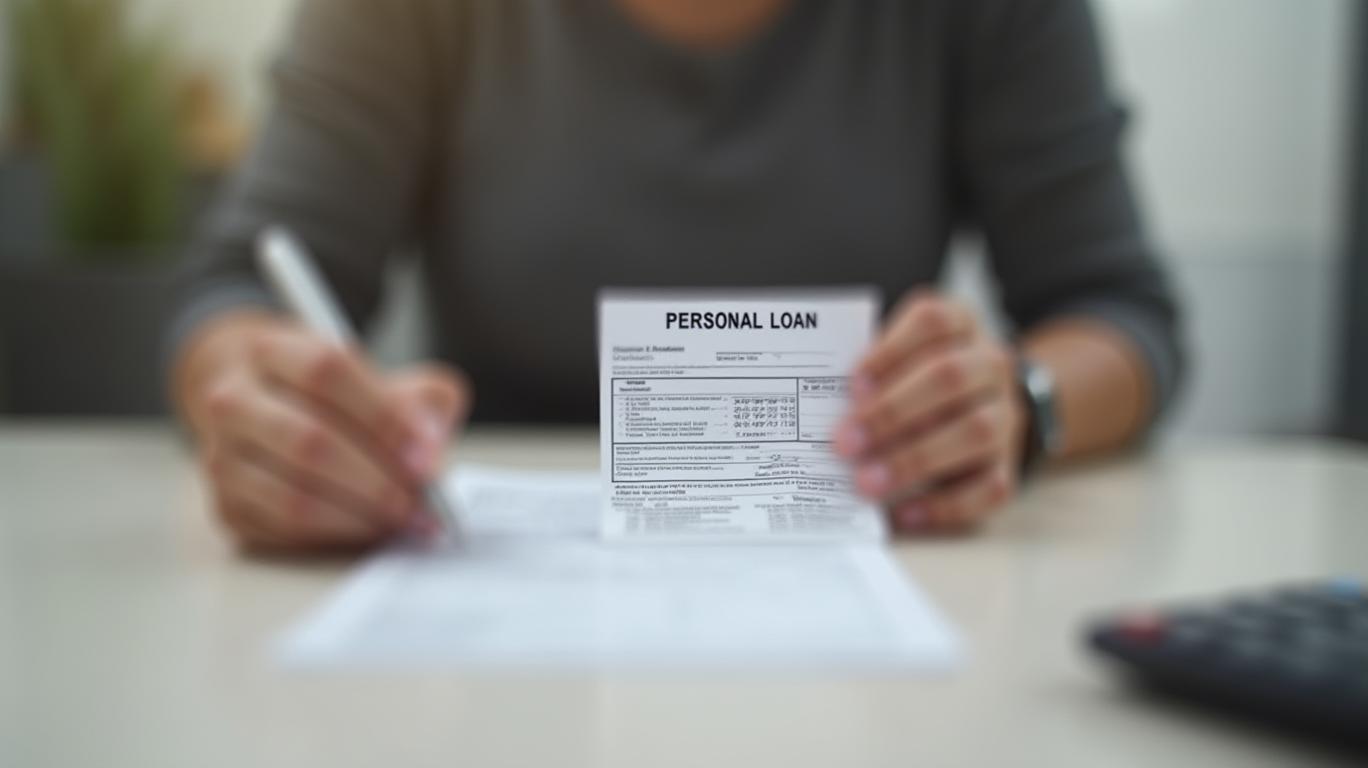
A small personal loan is a type of installment credit that delivers a one-time payment of cash to borrowers. Unlike a credit card, a personal loan delivers a one-time payment of cash to borrowers. Then, borrowers pay back that amount plus interest in regular, monthly installments over the lifetime of the loan, known as its term. Due to the rise in peer-to-peer and online lenders, there are hundreds of fast, easy loan options out there, and most take less than 10 minutes to apply for on the web. The full approval process, however, can take up to one business week, depending on how fast the lender receives and processes your documents.
Why Do People Need Small Personal Loans?
People seek small personal loans for a variety of reasons. Whether it's to cover unexpected expenses, consolidate high-interest debts, or fund a dream vacation, these loans provide the financial flexibility you need. But remember, folks, with great power comes great responsibility. You need to be smart about how you use these loans.
The Impact on Your Financial Stability and Credit Scores
Small personal loans can have a significant impact on your financial stability and credit scores. On the positive side, taking out a small personal loan and making timely repayments can help improve a borrower's credit score. This is because lenders report payment history to credit bureaus, and consistent, on-time payments can demonstrate creditworthiness. Additionally, consolidating high-interest debts into a single personal loan can lower the overall interest rates and simplify monthly payments, thereby improving financial stability.
However, there are also potential downsides. Small personal loans, especially those with high interest rates, can lead to increased financial strain if the borrower struggles to make payments. Late or missed payments can negatively impact the borrower's credit score and may result in additional fees and penalties. Furthermore, if the borrower defaults on the loan, the lender may seize any collateral provided, further exacerbating the financial situation.
The Key Differences Between Small Personal Loans and Other Types of Loans
Small personal loans differ from other types of loans in several key aspects, including interest rates, repayment terms, and eligibility criteria. Here’s a detailed comparison:
- Interest Rates: Small personal loans often come with higher interest rates compared to larger loans like mortgages. For instance, the average 24-month personal loan APR is 11.23%, according to the Fed's most recent data. In contrast, the latest average APR for credit cards is 19.07%. This means that while personal loans may offer lower interest rates than credit cards, they are still higher than those for larger loans. Additionally, small loans, overdrafts, credit card and store card deficits, and payday loans can charge high rates of interest. Consolidating them all into one loan with your bank may be much cheaper.
- Repayment Terms: The repayment terms for small personal loans are generally shorter compared to larger loans. For example, personal loans typically have a term of one to five years, whereas mortgages can span ten to thirty years. This shorter repayment period means that borrowers will have to make higher monthly payments to repay the loan within the specified term. For instance, “Instead of paying over ten to thirty years, your monthly installment will span from one to five years.”
- Eligibility Criteria: The eligibility criteria for small personal loans can be more stringent, especially for unsecured loans. Lenders may require a higher credit score and a stable income to approve a personal loan. For example, “If you are young and have no credit history, or have had problems paying loans in the past and your credit score is low, you may find this type of loan difficult to get.” In contrast, secured loans may be easier to obtain as they require collateral, such as a home or car, which reduces the lender's risk. For instance, “The borrower will have to put up a personal asset as security (collateral) on the debt. This could be his or her home or car. If the debtor defaults (fails to keep up the payments), the debtor can seize the asset and sell it in order to recoup the money lent.”
The Bottom Line
Small personal loans can be a powerful tool in your financial arsenal, but they come with risks. You need to be smart about how you use them. Do your research, understand the terms and conditions, and make sure you can afford the repayments. Remember, folks, financial stability is all about making smart decisions. So, stay informed, stay vigilant, and stay ahead of the game!



Divulgación editorial y transparencia de la IA: Ainvest News utiliza tecnología avanzada de Modelos de Lenguaje Largo (LLM) para sintetizar y analizar datos de mercado en tiempo real. Para garantizar los más altos estándares de integridad, cada artículo se somete a un riguroso proceso de verificación con participación humana.
Mientras la IA asiste en el procesamiento de datos y la redacción inicial, un miembro editorial profesional de Ainvest revisa, verifica y aprueba de forma independiente todo el contenido para garantizar su precisión y cumplimiento con los estándares editoriales de Ainvest Fintech Inc. Esta supervisión humana está diseñada para mitigar las alucinaciones de la IA y garantizar el contexto financiero.
Advertencia sobre inversiones: Este contenido se proporciona únicamente con fines informativos y no constituye asesoramiento profesional de inversión, legal o financiero. Los mercados conllevan riesgos inherentes. Se recomienda a los usuarios que realicen una investigación independiente o consulten a un asesor financiero certificado antes de tomar cualquier decisión. Ainvest Fintech Inc. se exime de toda responsabilidad por las acciones tomadas con base en esta información. ¿Encontró un error? Reportar un problema




Comentarios
Aún no hay comentarios