
Unlocking Value: NFT-Driven Profitability in Emerging Markets and Speculative Tech Sectors
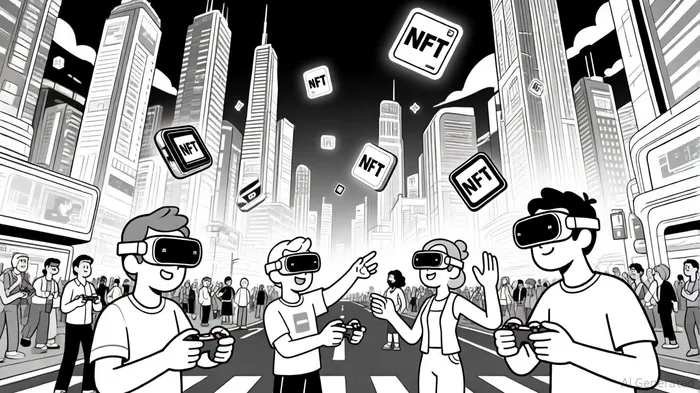
The intersection of NFTs, entertainment, and emerging markets is reshaping how value is created and captured in speculative tech-driven industries. From gamified urban experiences to token-gated virtual events, NFT-based incentives are proving to be more than a passing trend—they are foundational to new revenue models that prioritize user engagement, digital ownership, and scalable monetization. This analysis explores the profitability mechanisms, scalability challenges, and financial performance of NFT-driven entertainment ecosystems, with a focus on 2023–2025 developments in emerging markets.
Gamification and Socially Sustainable Urban Engagement
The Gensen metaverse platform, launched in 2024, exemplifies how NFTs can incentivize real-world interaction. Its “Treasure Hunting” gamification model rewards users with NFTs for exploring urban environments, blending physical and digital participation[2]. This approach not only drives user retention but also creates a socially sustainable framework for cities to engage citizens in public spaces[3]. While the platform's primary focus is community-building, its underlying NFT economy—where users can trade or leverage tokens for in-game advantages—demonstrates a scalable model for monetizing gamified experiences.
Token-Gated Exclusivity and Revenue Diversification
NFTs are increasingly used as digital keys to unlock exclusive experiences, from virtual concerts to limited-edition product drops. For instance, brands leverage NFT ownership to gate access to private online showrooms or early product previews[1]. In gaming, platforms like Epic Games are experimenting with NFT-powered skins and collectibles, enabling players to own verifiable, tradable assets[2]. This model introduces two revenue streams: initial NFT sales and ongoing royalties from secondary market transactions. According to industry projections, the game acquisition market for NFT titles is expected to reach $1.5 billion by 2025, driven by demand for interoperable, blockchain-backed assets[3].
Play-to-Earn and Labor Dynamics in Emerging Markets
In regions like Southeast Asia, NFT-based gaming has evolved into a livelihood. Axie Infinity, a blockchain game popular in the Philippines, operates on a “play-to-earn” model where users earn tokens through gameplay[5]. This system has created a new class of digital laborers, many of whom rely on NFTs as tools of production. The racialized labor dynamics of such platforms—where Filipinx gamers contribute to global Web3 adoption—highlight both the economic potential and ethical complexities of NFT-driven economies[5]. For investors, these models underscore the importance of aligning profitability with social impact, particularly in markets where digital-first audiences are receptive to Web3 innovations.
Scalability Challenges and Technological Hurdles
Despite their promise, NFT-driven entertainment models face scalability issues. Emerging markets often lack the infrastructure to support seamless blockchain integration, from reliable internet access to user-friendly onboarding processes[4]. Additionally, environmental concerns around energy-intensive blockchains and regulatory uncertainty in regions like Southeast Asia pose risks[1]. To mitigate these challenges, platforms are partnering with energy-efficient networks like Polygon and Ethereum's Layer 2 solutions, prioritizing sustainability without compromising functionality[4].
Financial Performance and Future Outlook
While concrete financial metrics for NFT-driven entertainment remain sparse, early indicators are promising. The success of token-gated events—such as Coachella's blockchain-based ticketing system—demonstrates the potential for reducing fraud and increasing revenue through verifiable ownership[3]. Meanwhile, AI-driven NFT metadata generation and dynamic difficulty adjustment in games are enhancing user retention by up to 25%[3]. For investors, the key will be identifying platforms that balance innovation with practicality, ensuring NFTs serve as utility-driven assets rather than speculative tokens.
Conclusion
NFT-based incentives are redefining profitability in entertainment, particularly in emerging markets where digital and physical economies intersect. From gamified urban experiences to play-to-earn labor models, the integration of blockchain technology is enabling new forms of value creation. However, scalability, regulatory, and ethical challenges must be addressed to unlock long-term viability. As the market matures, investors who prioritize platforms with robust utility, sustainable infrastructure, and inclusive design will be best positioned to capitalize on this speculative yet transformative sector.






Comentarios
Aún no hay comentarios