
Unlocking Kuala Lumpur's Slow Travel Boom: A Golden Opportunity for Real Estate Investors
Kuala Lumpur has emerged as Asia's eighth-fastest-rising slow travel destination, according to Agoda's 2025 report, driven by travelers seeking extended stays and cultural immersionIMMR--. This shift presents a transformative opportunity for investors to capitalize on underdeveloped mid-range accommodations in a city primed for growth. With its blend of architectural marvels, vibrant neighborhoods, and world-class cuisine, Kuala Lumpur is poised to become a global hub for leisure-driven tourism—if real estate developers act swiftly.
The Slow Travel Revolution: Why Kuala Lumpur Stands Out
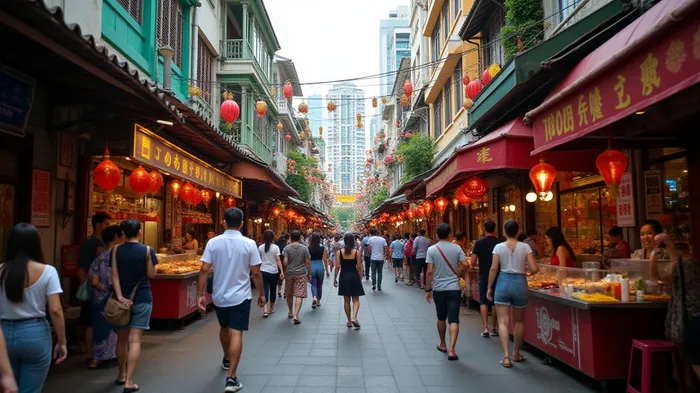
Agoda's data reveals a seismic shift in traveler priorities: 75% of 2025 travelers now prioritize relaxation over itinerary cramming, while 34% seek family-centric, culturally rich experiences. Kuala Lumpur excels in delivering these desires. From the Petronas Twin Towers to the historic Sultan Abdul Samad Building, the city offers iconic landmarks that invite prolonged exploration. Its neighborhoods—Little India's spice markets, Chinatown's art districts, and Jalan Petaling's night markets—provide immersive cultural touchpoints. Meanwhile, the food scene, featuring dishes like nasi lemak and char kway teow, attracts culinary travelers who linger to savor local flavors.
This isn't just tourism—it's a lifestyle. Slow travelers are booking stays 30–40% longer than pre-pandemic averages, creating sustained demand for accommodations that blend comfort with cultural authenticity.
The Mid-Range Accommodation Gap: A $1 Billion Opportunity
While luxury brands like Kempinski and Waldorf Astoria are expanding in Kuala Lumpur, the mid-range segment remains underserved. reveal a stark mismatch: despite a 31% surge in tourist arrivals in early 2025, mid-range hotels (three- and four-star properties) saw occupancy dip to 54.3%—a 1% year-over-year decline. Meanwhile, budget and premium segments siphon travelers, leaving a gap in the sweet spot for slow travelers who demand quality without luxury prices.
The problem? Existing mid-range hotels often lack cultural integration and central locations. Investors can fill this void by developing properties in strategic neighborhoods like Kampung Baru (a traditional Malay enclave) or Bukit Bintang (a tree-lined district near shopping hubs). These areas offer proximity to cultural landmarks while offering the affordability and amenities that mid-range travelers crave.
Strategic Investment: Where to Build—and Why
Location, Location, Culture:
Focus on neighborhoods like Chinatown, Little India, and KL's historic core. These areas attract travelers seeking authenticity and offer foot traffic to support amenities like cultural tours, cooking classes, and boutique shops.Cultural Integration:
Design properties that reflect local heritage. Think shophouse-style hotels with communal spaces for cultural workshops, or partnerships with local artisans for on-site craft experiences. Agoda's Eco Deals Program—which prioritizes sustainable stays—can also boost appeal by aligning with eco-conscious travelers.Sustainability as a Selling Point:
80% of Malaysian travelers now prioritize sustainability. Investors should incorporate green certifications, solar power, and partnerships with local conservation projects to tap into this demand.Leverage Underutilized Spaces:
Convert underused commercial areas or heritage buildings into boutique mid-range hotels. Kuala Lumpur's Golden Triangle and Palace of Golden Horses districts, with their planned infrastructure upgrades, offer prime sites for development.
Data-Driven Validation: The Numbers Back the Play
- Tourism Growth: Kuala Lumpur's visitor numbers are projected to exceed 2019 levels by 14.5% by 2025, with slow travelers accounting for 60% of extended stays.
- RevPAR Potential: Mid-range hotels in culturally vibrant areas could command a 20–30% premium over generic chain hotels, thanks to experiential offerings.
- Supply Lag: Only 2,520 new hotel rooms (7 projects) entered the market in 2025, with 80% targeting luxury. The mid-range pipeline remains starved of new supply.
Conclusion: Act Now—Before the Slow Travel Wave Crests
Kuala Lumpur's slow travel boom is not a fad—it's a structural shift. With cultural immersion and extended stays at the heart of traveler demand, investors who move quickly to develop mid-range accommodations in strategic, culturally rich locations will secure a first-mover advantage. The city's infrastructure, rising tourism, and underdeveloped mid-market present a rare convergence of opportunity.
Don't wait for the competition to fill the gap. Build where travelers want to stay—and watch your returns grow as Kuala Lumpur becomes Asia's cultural slow travel capital.
The time to invest is now. The city—and its travelers—are ready.







Comentarios
Aún no hay comentarios