
Unlocking France's Hidden Gems: Investing in the Countryside's Cultural Revival
The French countryside is often overshadowed by the magnetic pull of Paris, Lyon, and Marseille. Yet, beneath the radar of global investors lies a treasure trove of undervalued opportunities in villages such as Provins, Barbizon, and Nemours—places where UNESCO heritage, artistic legacy, and proximity to urban centers converge. As post-pandemic leisure travel surges, these destinations are primed for growth, offering fertile ground for investments in hospitality, real estate, and tourism technology.
The Case for Rural France: UNESCO Heritage as a Catalyst
France's $12 billion tourism economy is no secret, but its strength is increasingly shifting beyond iconic landmarks like the Eiffel Tower. Consider Provins, a medieval town in the Île-de-France region, which has been a UNESCO World Heritage Site since 2001. Its preserved architecture—a labyrinth of vaulted cellars, cobblestone streets, and fortified walls—anchors its identity as a “fair town” from the Middle Ages. This year, Provins is celebrating its 40th medieval festival (June 14–15, 2025), a vibrant event attracting history enthusiasts and families alike.
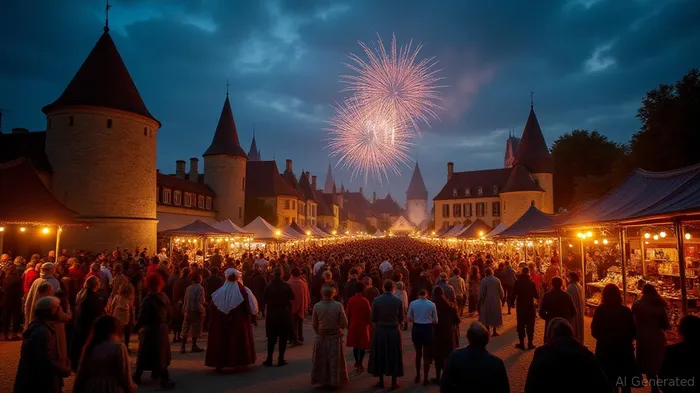
Proximity to Paris—just 70 kilometers away, reachable by TGV in 50 minutes—makes Provins a gateway for travelers seeking authenticity without sacrificing convenience. Its UNESCO designation ensures sustained government support for preservation, while its underdeveloped tourism infrastructure offers room for private-sector innovation. Boutique hotels, heritage-focused dining concepts, and tech platforms enabling personalized tours could all capitalize on its cultural cache.
Barbizon: Art History Meets Modern Demand
While Barbizon lacks UNESCO status, its cultural significance is undeniable. This village in the Forest of Fontainebleau was a magnet for 19th-century painters like Théodore Rousseau and Jean-François Millet, who pioneered the Barbizon School, influencing Impressionism and beyond. Today, its pastoral charm—think sun-dappled forests, artists' studios, and tranquil rivers—draws art lovers and nature seekers.
With Paris a mere 60-minute train ride away, Barbizon's potential lies in experiential travel. Investors could develop eco-lodges, art workshops, or digital platforms connecting visitors with local artisans. Meanwhile, its modest real estate prices relative to urban hubs make it an attractive bet for long-term appreciation.
Nemours: A Sleeping Beauty Awaits Awakening
Nemours, a Renaissance-era town in the Burgundy region, boasts a historic center with half-timbered houses and a 12th-century castle. Though not a UNESCO site, its blend of architecture, proximity to the Loire Valley (a UNESCO-listed region), and its 1.5-hour train ride from Paris positions it as a sleeper hit.
Here, opportunities abound in adaptive reuse of historic buildings—transforming old manor homes into luxury bed-and-breakfasts or repurposing disused mills into wellness retreats. The town's underdeveloped event infrastructure also presents a chance to host niche festivals or conferences, leveraging its scenic backdrop.
Data-Backed Investment Opportunities
The French government has pledged €1.2 billion through 2027 to boost rural tourism, focusing on accessibility and heritage preservation. Meanwhile, reveals a 22% rebound post-pandemic, with countryside stays outperforming urban bookings by 15%.
For investors:
1. Boutique Hospitality: Target mid-range hotels in Provins or Nemours, priced at €120–€180 per night, to cater to families and cultural travelers.
2. Real Estate: Look for undervalued properties in Barbizon or Nemours, where median home prices are 30–40% below Parisian suburbs.
3. Tech Platforms: Back startups like FranceVillages (a digital concierge for rural experiences) or HeritageRent, which connects travelers with certified heritage accommodations.
4. Public-Private Partnerships: Engage with local governments to fund preservation projects, often eligible for EU grants (e.g., €1.8 billion allocated to rural development by 2025).
Risks and Considerations
While the upside is clear, risks persist. Over-tourism could strain infrastructure, requiring sustainable management. Climate volatility—such as heatwaves disrupting outdoor festivals—also poses a threat. Investors must pair local partnerships with robust contingency plans.
Conclusion: The Time to Act is Now
The French countryside's cultural assets and accessibility form a compelling investment thesis. As urban dwellers prioritize authenticity over crowds, villages like Provins, Barbizon, and Nemours are poised to capture a growing share of the tourism economy. For investors, this is a chance to blend financial returns with preservation of heritage—a win-win in an era where ESG principles drive capital flows.
The question is no longer whether these destinations will thrive, but whether you'll be part of their revival.
Consider pairing exposure to French hospitality giants with targeted bets on niche countryside operators for balanced growth.







Comentarios
Aún no hay comentarios